Selective removal of branches to let light and air through the canopy, reducing wind load and improving the tree's health without changing its shape.
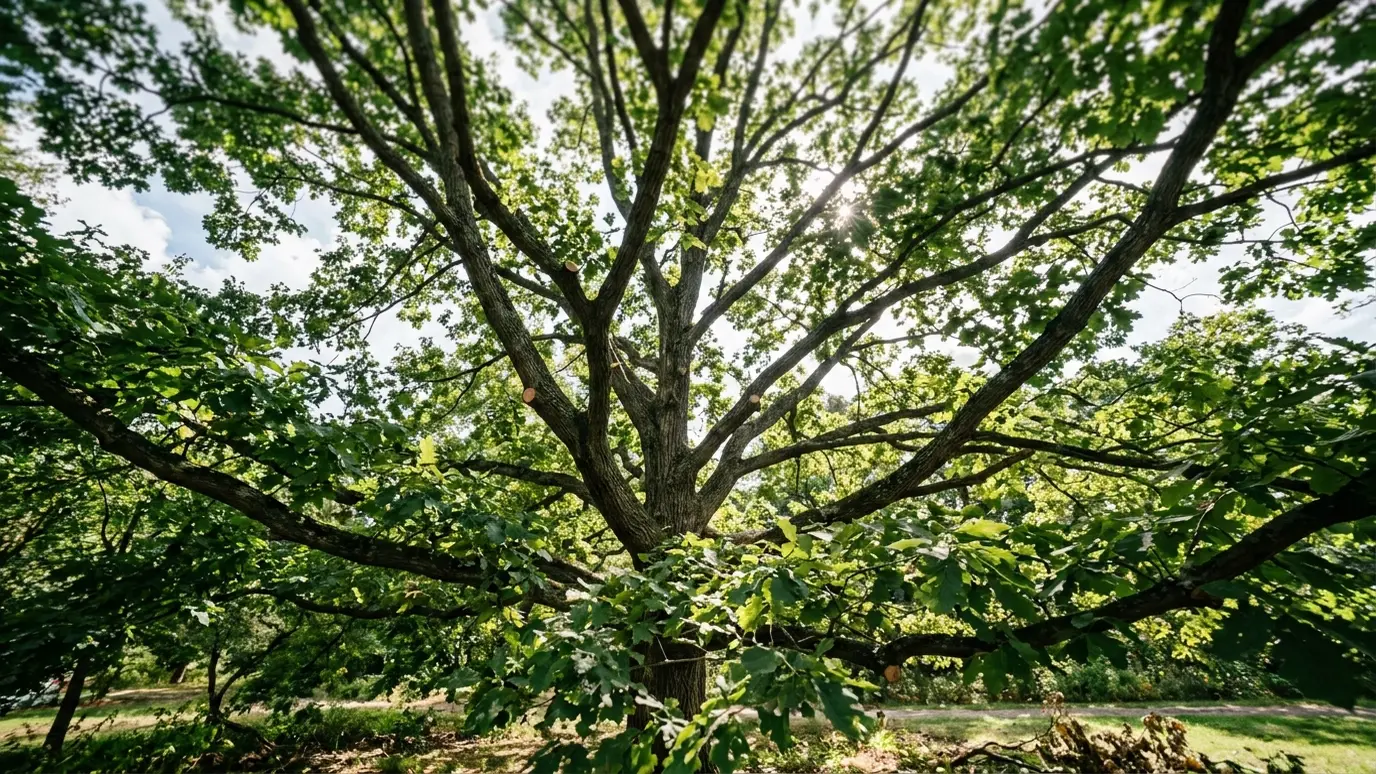
A dense crown looks lush but can trap moisture, block light to the lawn and catch the wind like a sail. Crown thinning selectively removes branches throughout the canopy so air and sunlight move through. Done right, the tree keeps its natural silhouette and gets stronger and healthier.
The art is in what you leave. A Certified Arborist selects branches that cross, rub, crowd or grow inward, and spaces the remaining limbs evenly along the main branches. We take no more than the tree can spare, keep a balanced distribution of foliage and avoid the lion-tailing that leaves bare limbs with tufts at the end.
Thinning reduces wind resistance by allowing air to pass, lets light reach the interior and the lawn beneath, and can reduce disease pressure by drying leaves faster. It also reduces the weight at the ends of limbs.
Removing too many interior branches pushes foliage to the tips and leaves the tree top-heavy. Thinning should usually remove only a modest share of the live crown, spread evenly through the tree.
Mature oaks, maples, beeches and tulip poplars with dense, overlapping crowns benefit most. Young trees need structural pruning more than thinning, and some species, like crape myrtles, respond best to different techniques.
Older trees can be thinned, but carefully. We take small branches rather than large ones and avoid big wounds. Often the best approach is to take less, more often, rather than a big thinning once in a decade.
Drag the handle to compare.
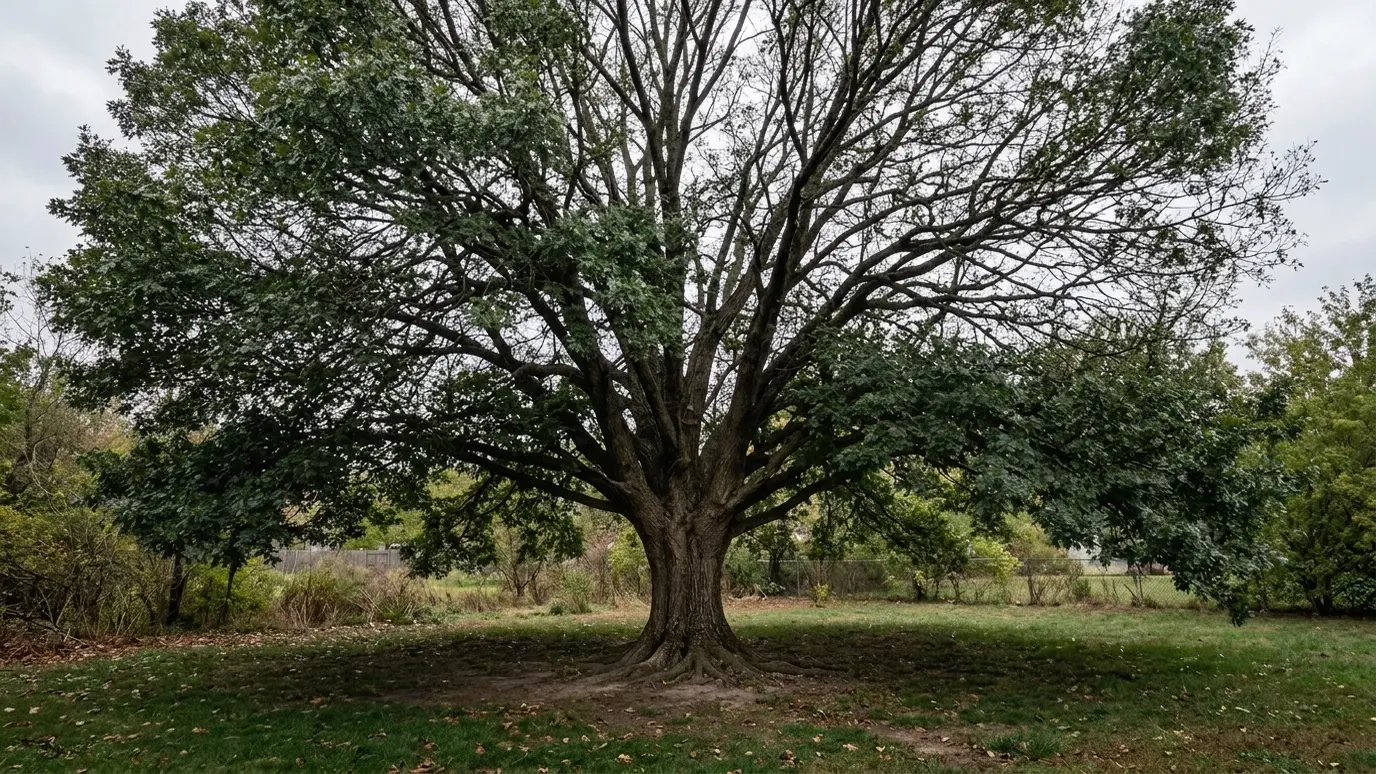
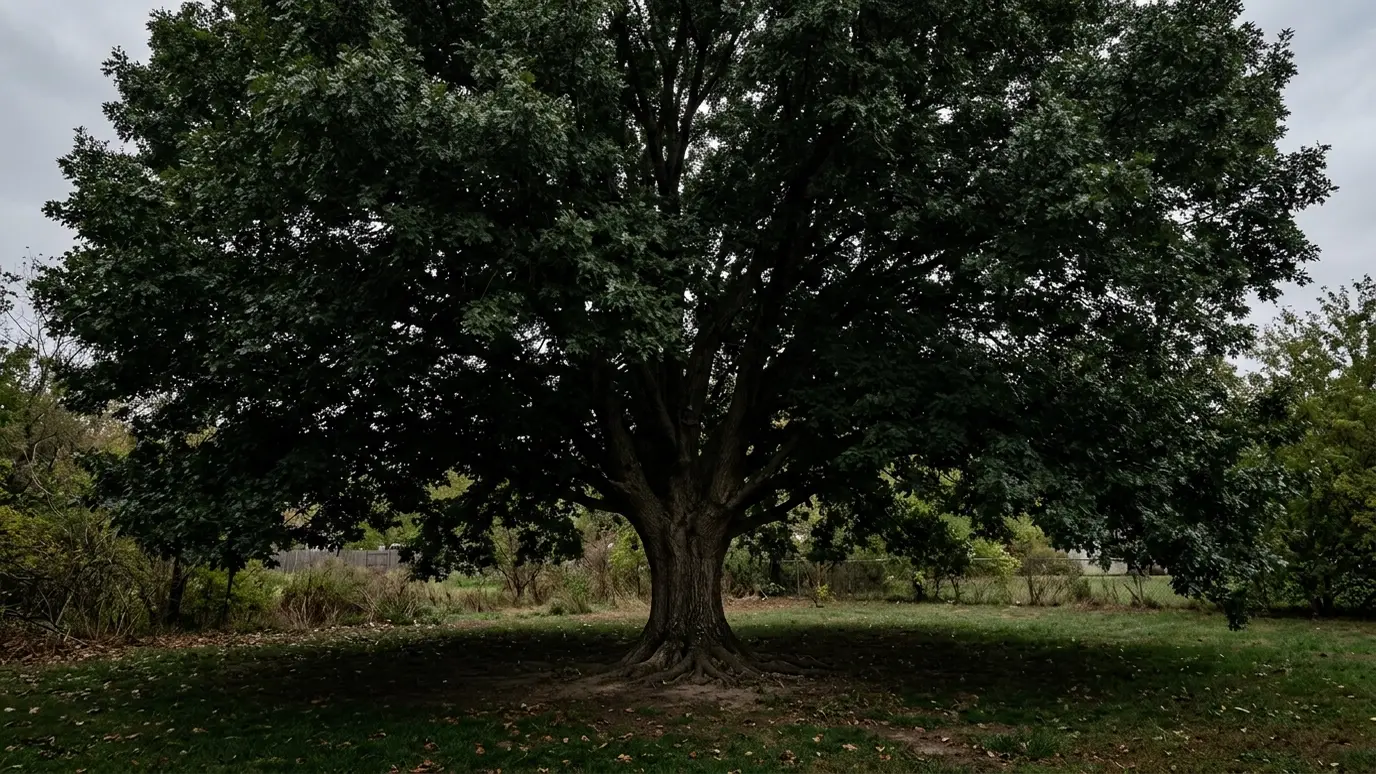 BeforeAfter
Healthy canopy and a brighter yard.
Thinning without changing the silhouette.
Reduced resistance in storms.
Foliage spaced evenly through the crown.
Faster drying and fewer problems.
Experienced climbers and a clear plan.
Every topic has its own page with what to expect and how an arborist helps.
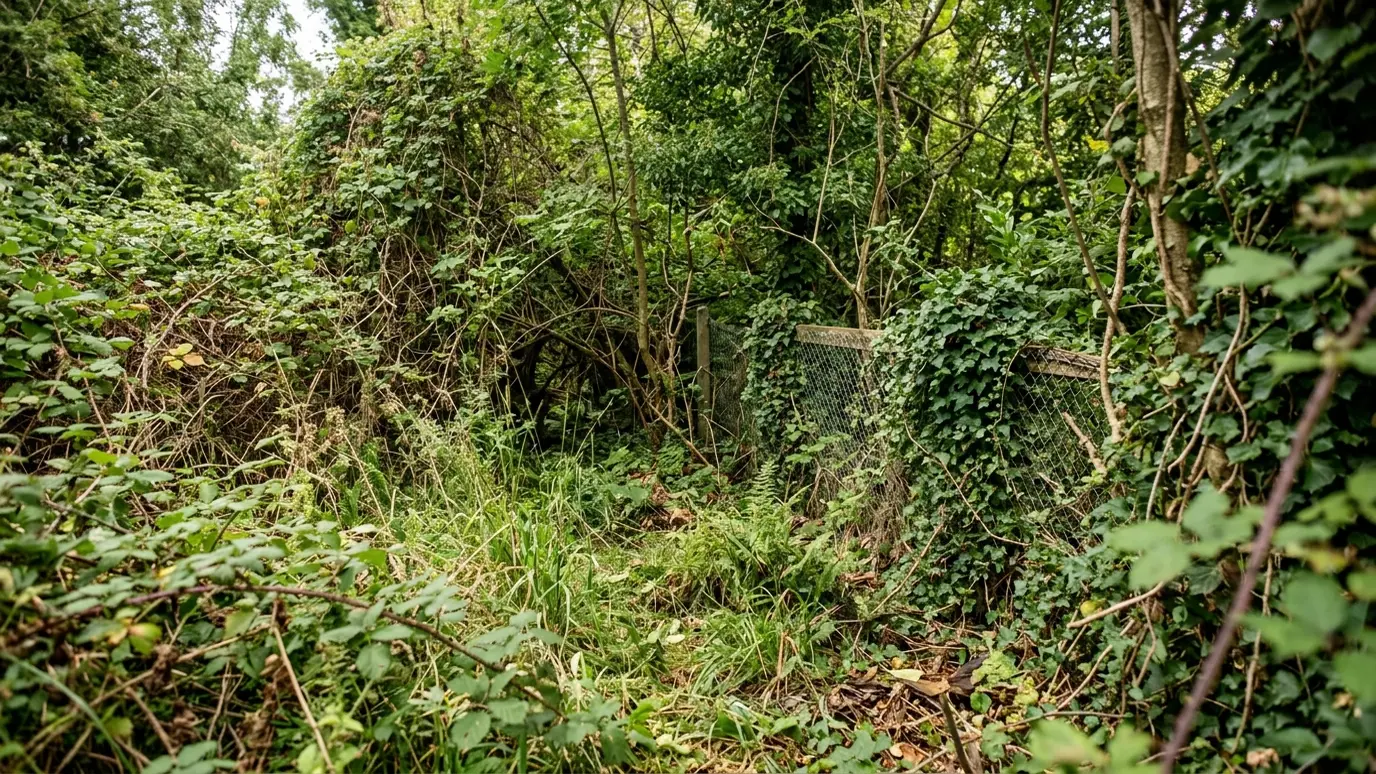 Common situationOvergrown PropertiesWhen trees, shrubs and vines take over, a plan beats a panic: what to cut, what to keep…Learn more
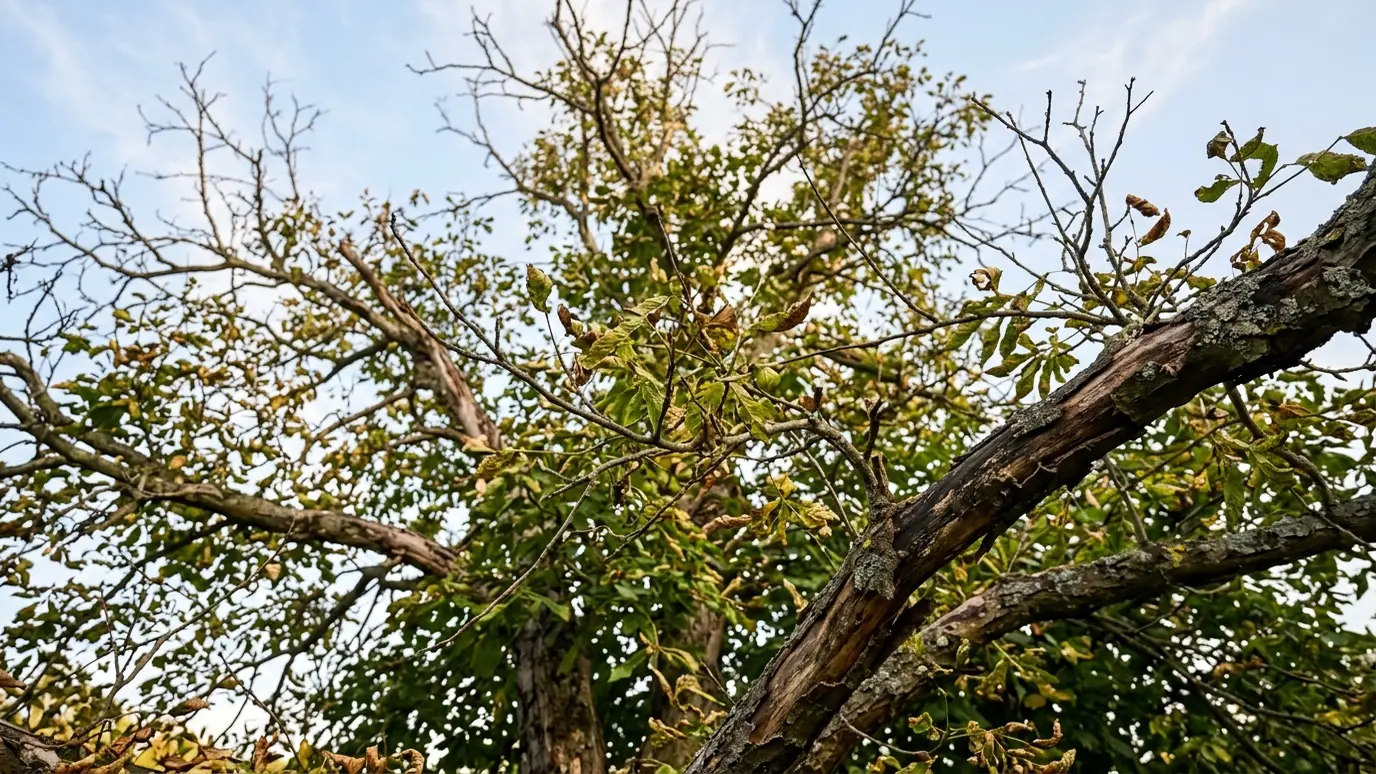 Common situationDeclining TreesThinning leaves, dying branches and odd growth are signals. Catch them early and many trees can recover.Learn more
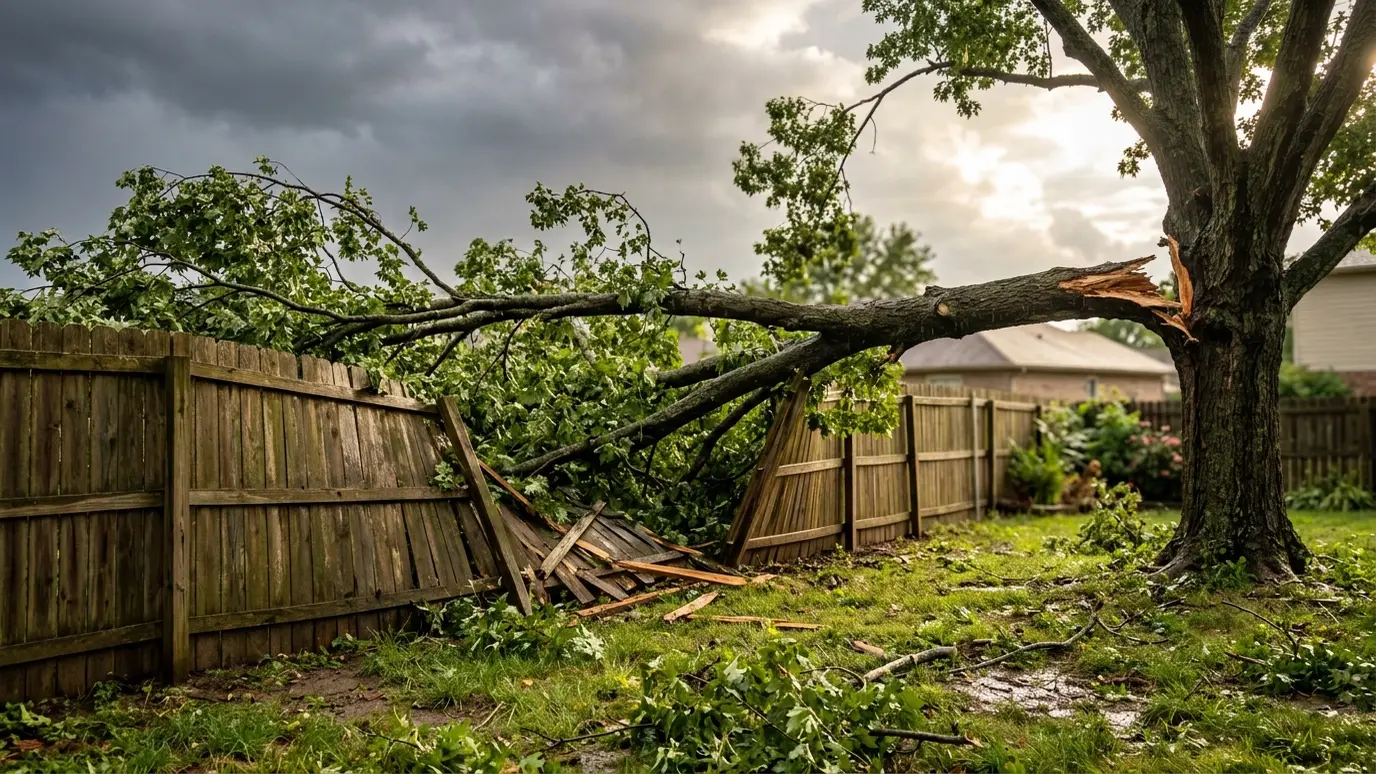 Common situationStorm DamageWind, ice and tornadoes leave trees broken, split and leaning. Knowing what to save and what to remove…Learn more
Pick a tree and see the best months to prune it, the months to avoid and why.
Tell us what you see and what worries you. We give you safety tips right away.
A Certified Arborist looks at the tree, the site and the best method.
You get a written scope and price before any work begins.
Our crew rigs, cuts and lowers with your property protected.
We chip, haul, rake and walk the site with you.
We explain what the tree or property needs next and when to call us.
Done properly, only slightly. The tree looks lighter and more open but keeps its natural shape.
Every few years for mature trees, depending on species and growth.
Often yes. A well-thinned crown lets wind pass through. We still check structure and unions.
Yes. More light through the canopy helps turf, though some shade species and soil issues matter too.
It reduces the chance, but it cannot promise. We also check structure and decay.
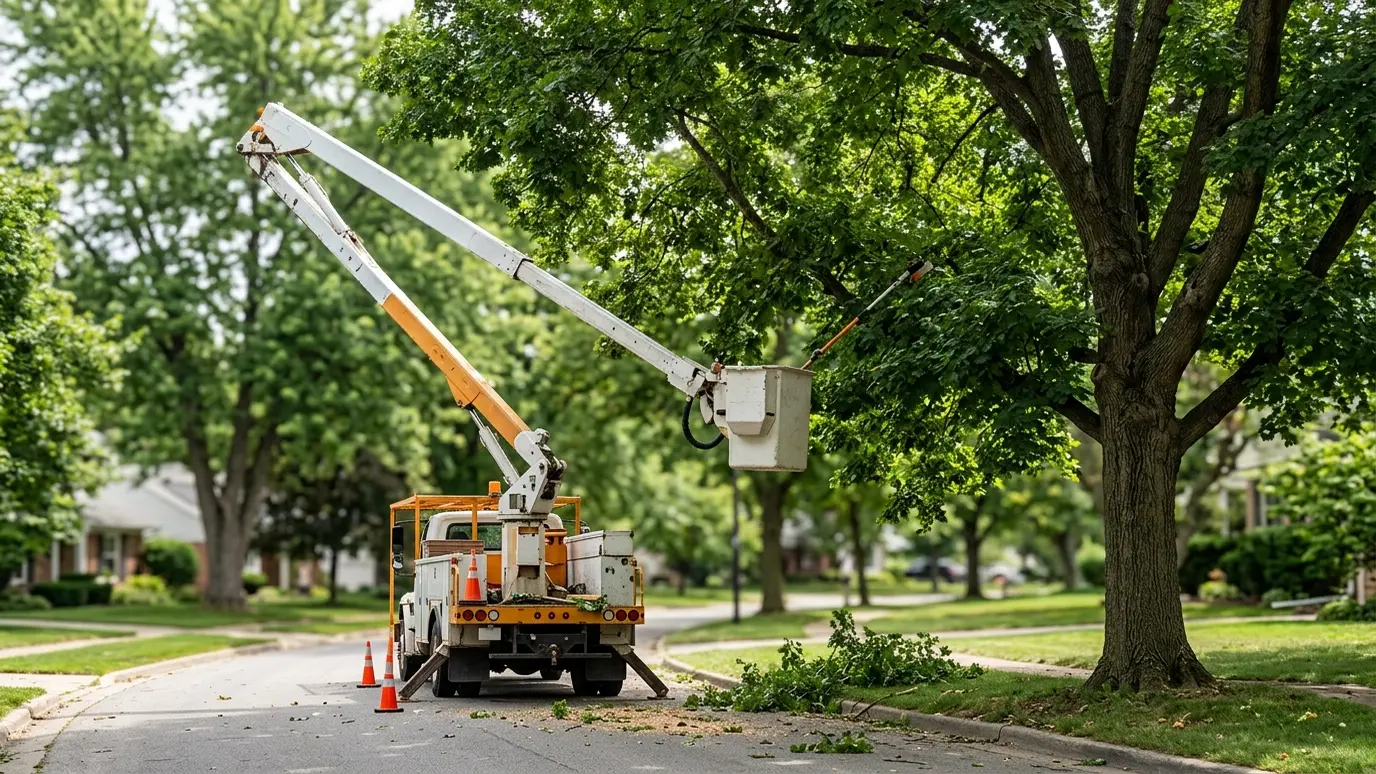 Tree TrimmingRoutine trimming that keeps trees healthy, safe and good-looking: dead wood out, clearance restored and the canopy shaped…Explore
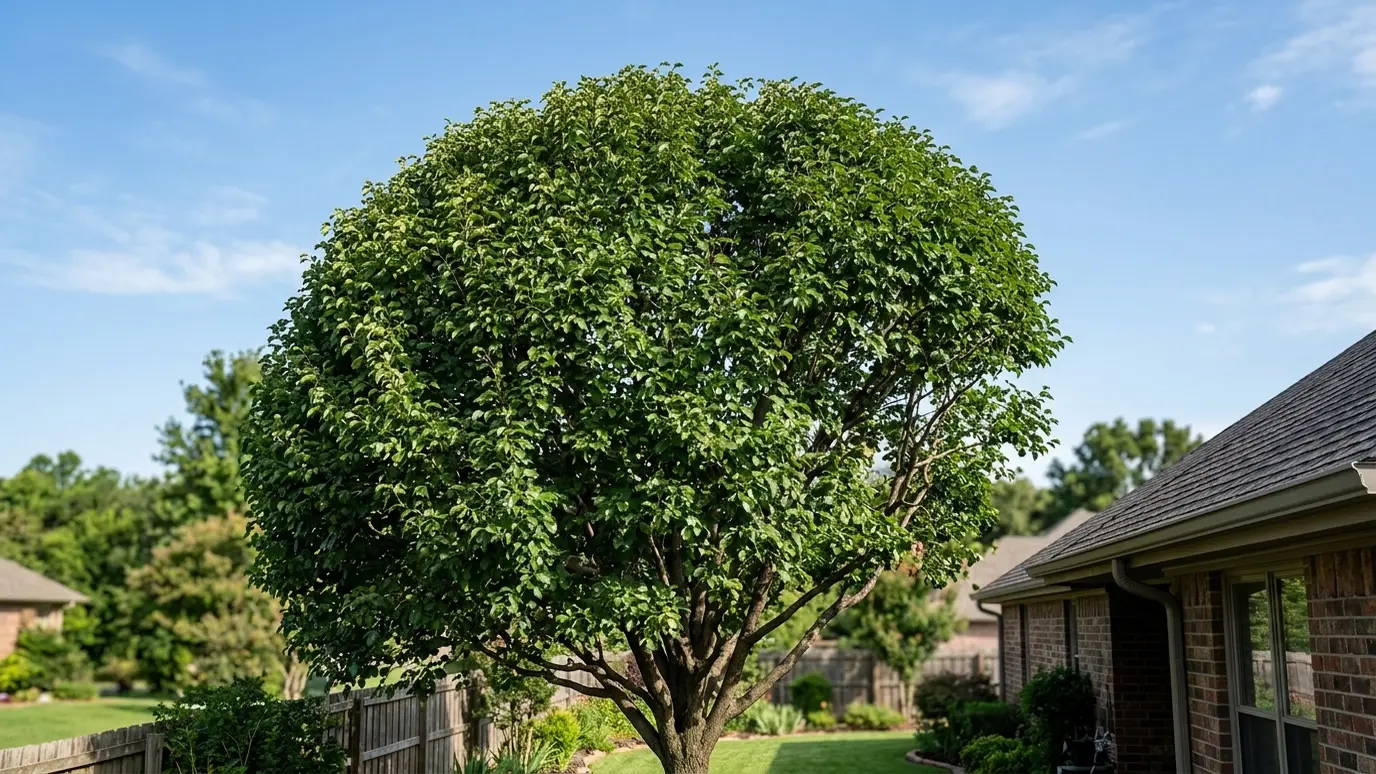 Crown ReductionA careful way to make a tree smaller when it has outgrown its space, using proper cuts instead…Explore
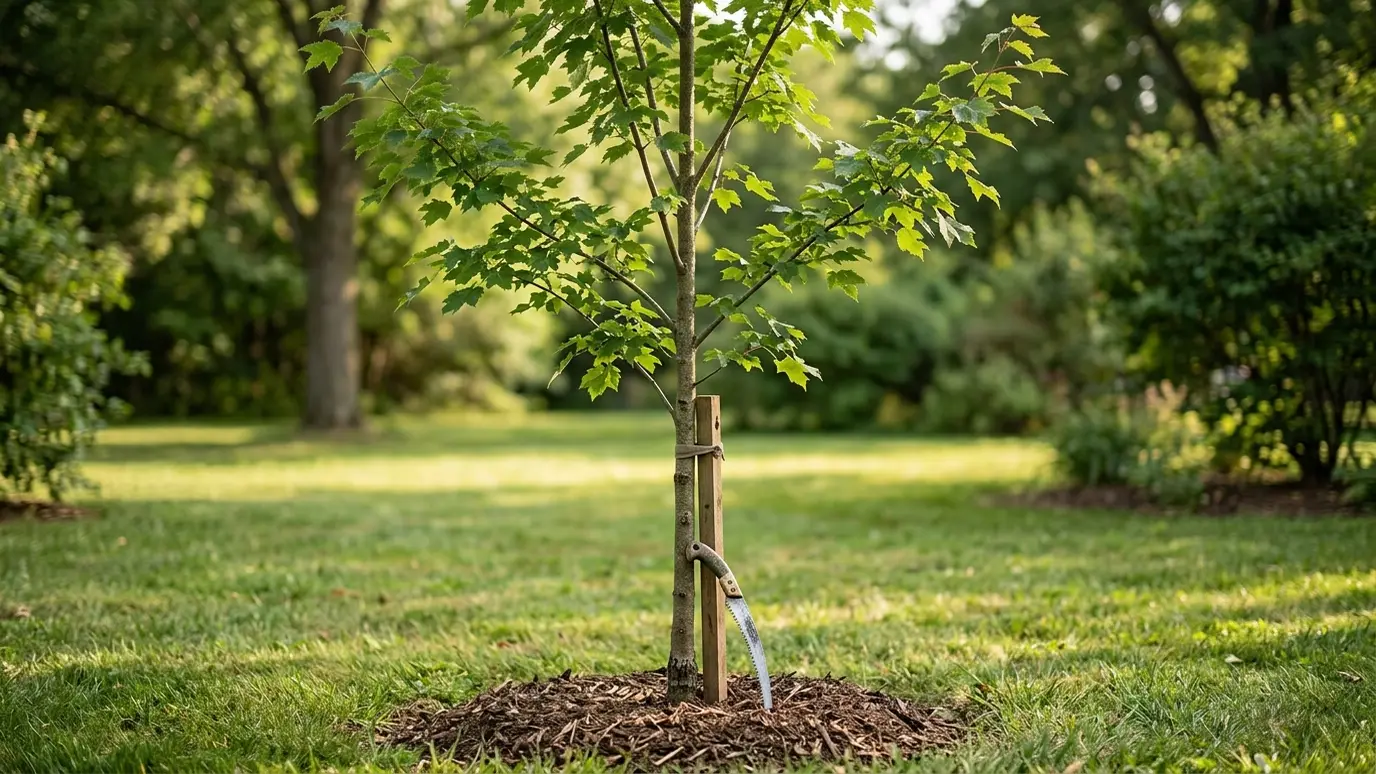 Structural PruningThe few cuts that make the biggest difference: training a young tree to grow strong, balanced and safe…Explore
 Deadwood RemovalDead and dying limbs taken out of the canopy before they fall on a roof, a car or…Explore
Tell us about your tree and we will call you back quickly.
Or call (615) 357-7797 to talk now.