A systematic look at whether a tree could fail, what it could hit and what to do about it, from a Certified Arborist.
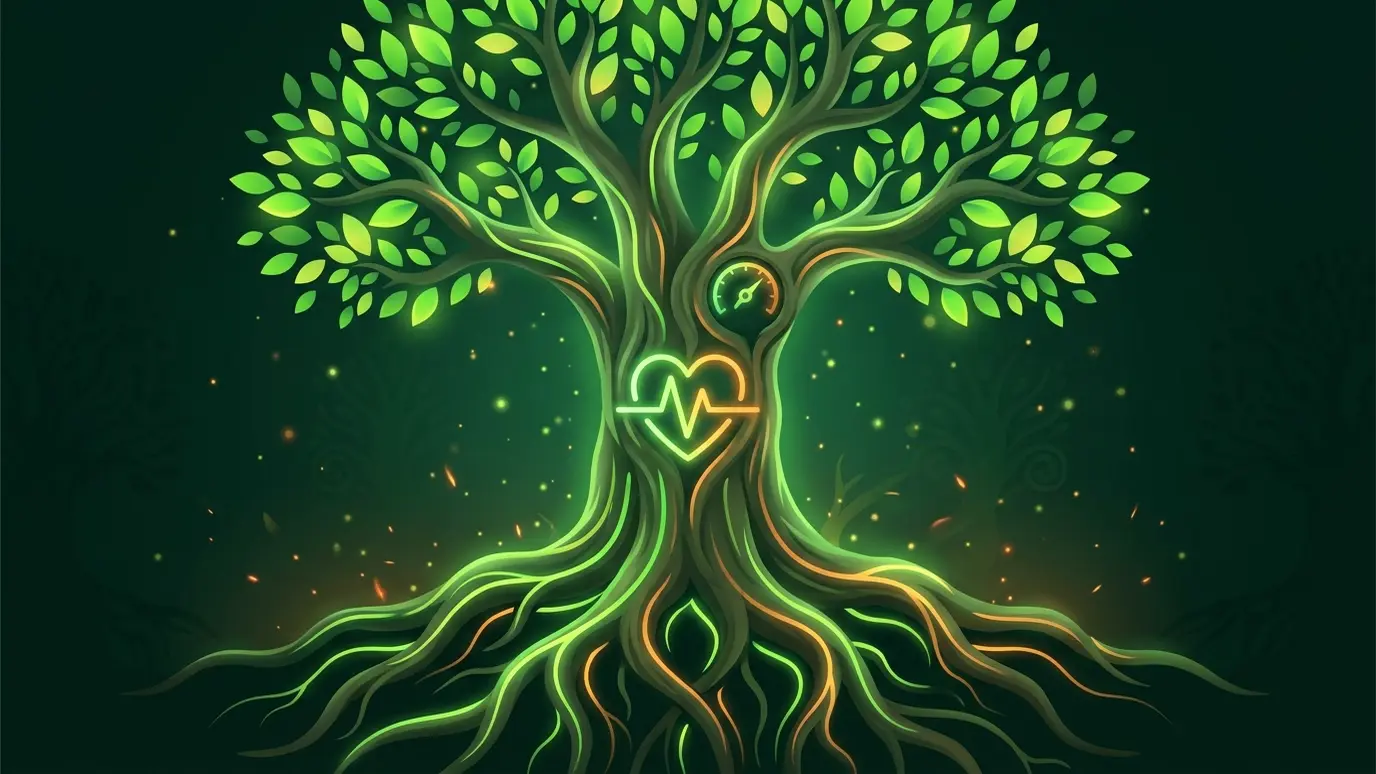
The question people actually ask is simple: is this tree going to fall on my house? A proper risk assessment answers it with more than a glance. It looks at the tree's defects, the likelihood that a part will fail, the target in the fall zone and the potential consequences.
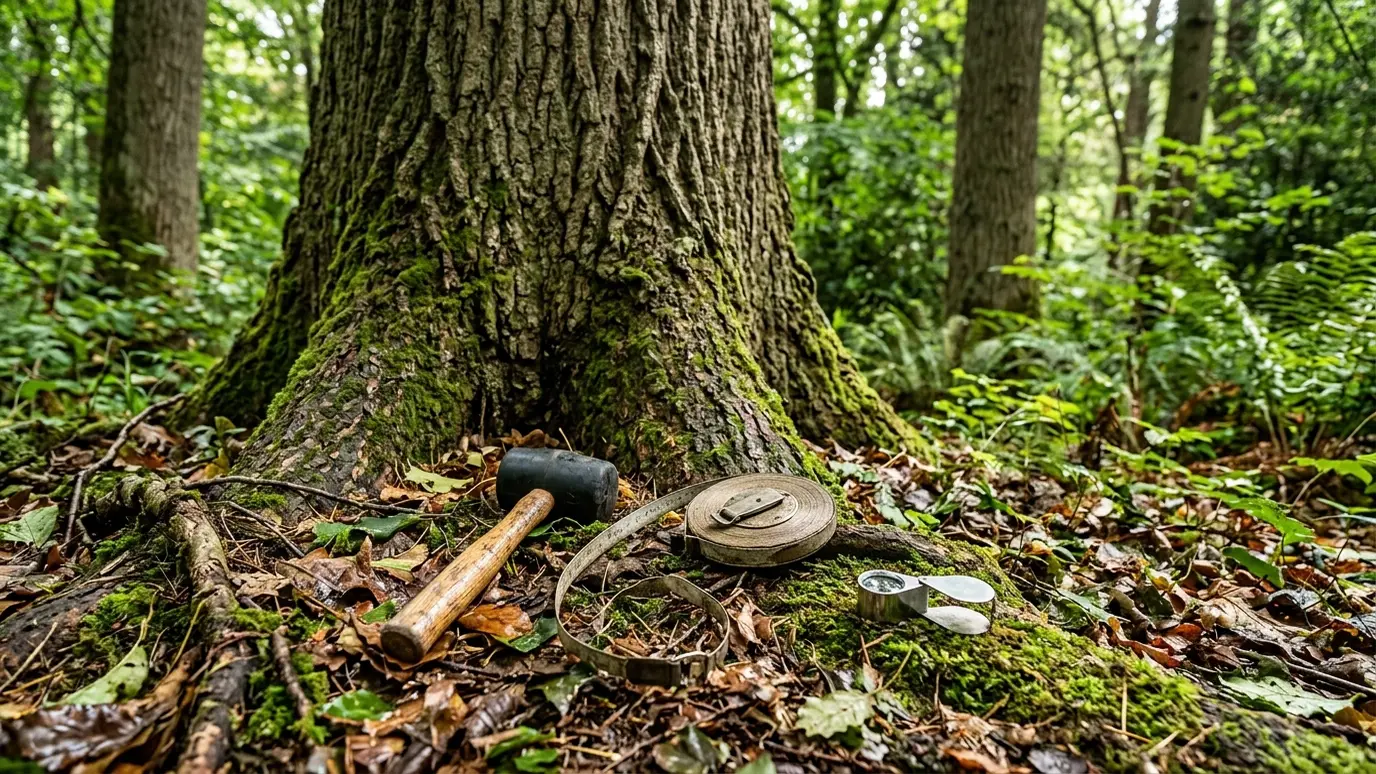
A Certified Arborist inspects the tree from the ground up, checking the root collar, trunk, branch unions and crown. We may use tools such as a mallet, a probe or a resistance drill to find hidden decay. The result is a clear rating, with options to reduce the risk, from pruning and cabling to removal or restricting the area beneath.
Cracks, cavities, decay, fungal fruiting bodies, root problems, poor branch unions, dead wood, lean, soil heave and past damage. We also consider species, since some trees are more prone to certain failures.
A tree with a defect that could fail soon over a driveway is a different problem from the same defect in a field. We rate the chance of failure, the likelihood of hitting something and the consequence, then combine them into an overall risk rating.
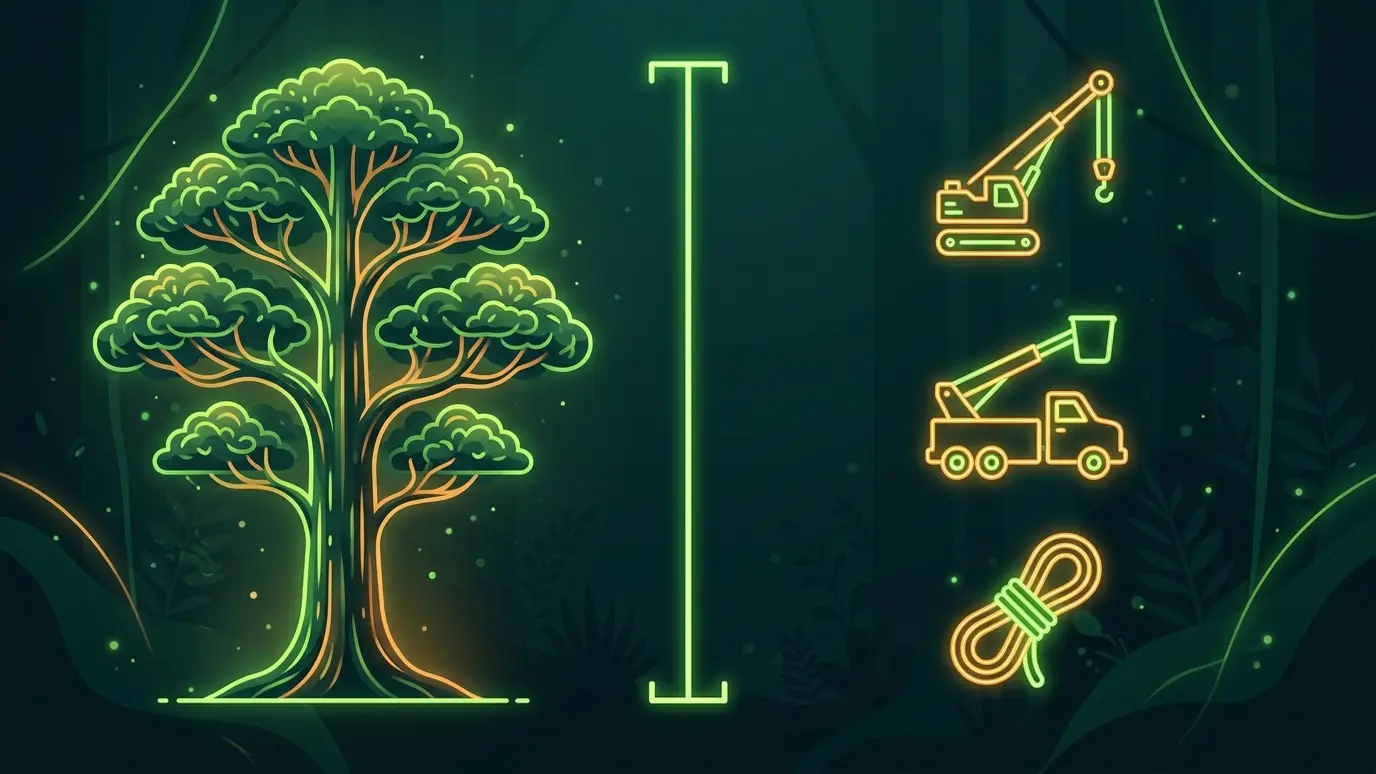
Reducing risk may be as simple as removing a dead limb or moving a play set. It may mean cabling a weak union, reducing the crown or, in serious cases, removing the tree. We rank the options by how much they reduce risk and what they cost the tree.
Storms can crack, loosen or twist trees without bringing them down. A post-storm assessment checks for new defects and makes a plan, which is especially important for trees near homes.
Defects, likelihood and consequence considered together.
Roots to crown.
Tools to look inside the wood.
From simple fixes to removal.
We try to save trees when it is safe.
Useful for insurance and neighbors.
Every topic has its own page with what to expect and how an arborist helps.
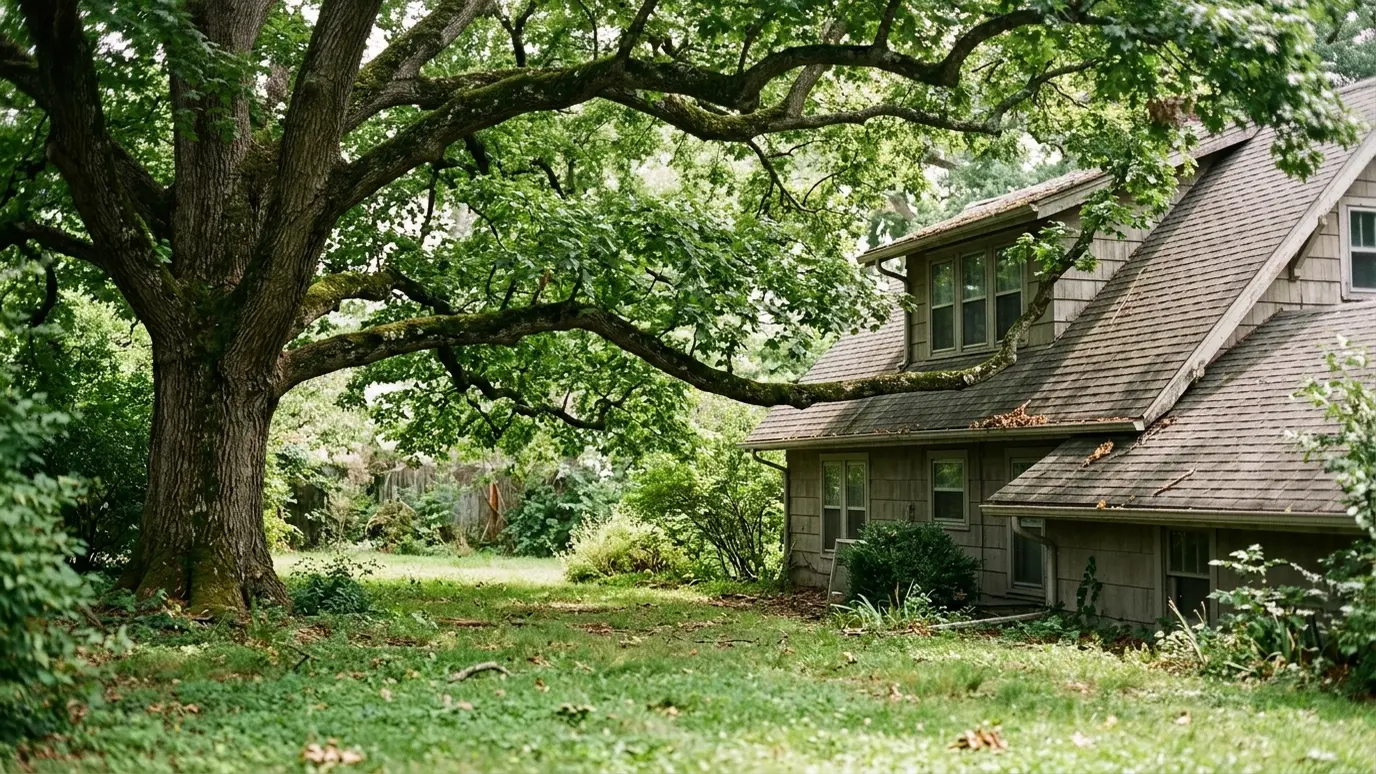 Common situationTrees Near the HouseBig trees beside a home bring shade and value, and risk. Here is how to tell whether yours…Learn more
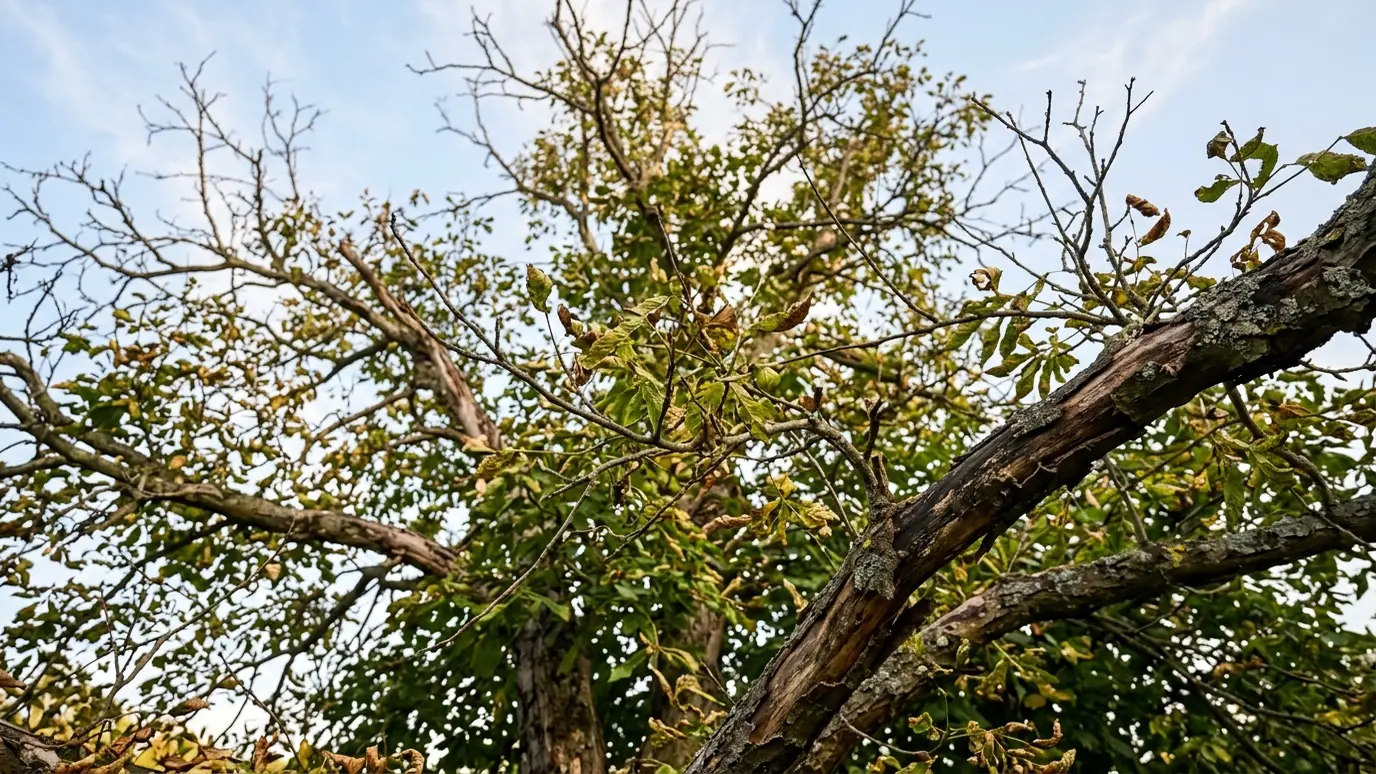 Common situationDeclining TreesThinning leaves, dying branches and odd growth are signals. Catch them early and many trees can recover.Learn more
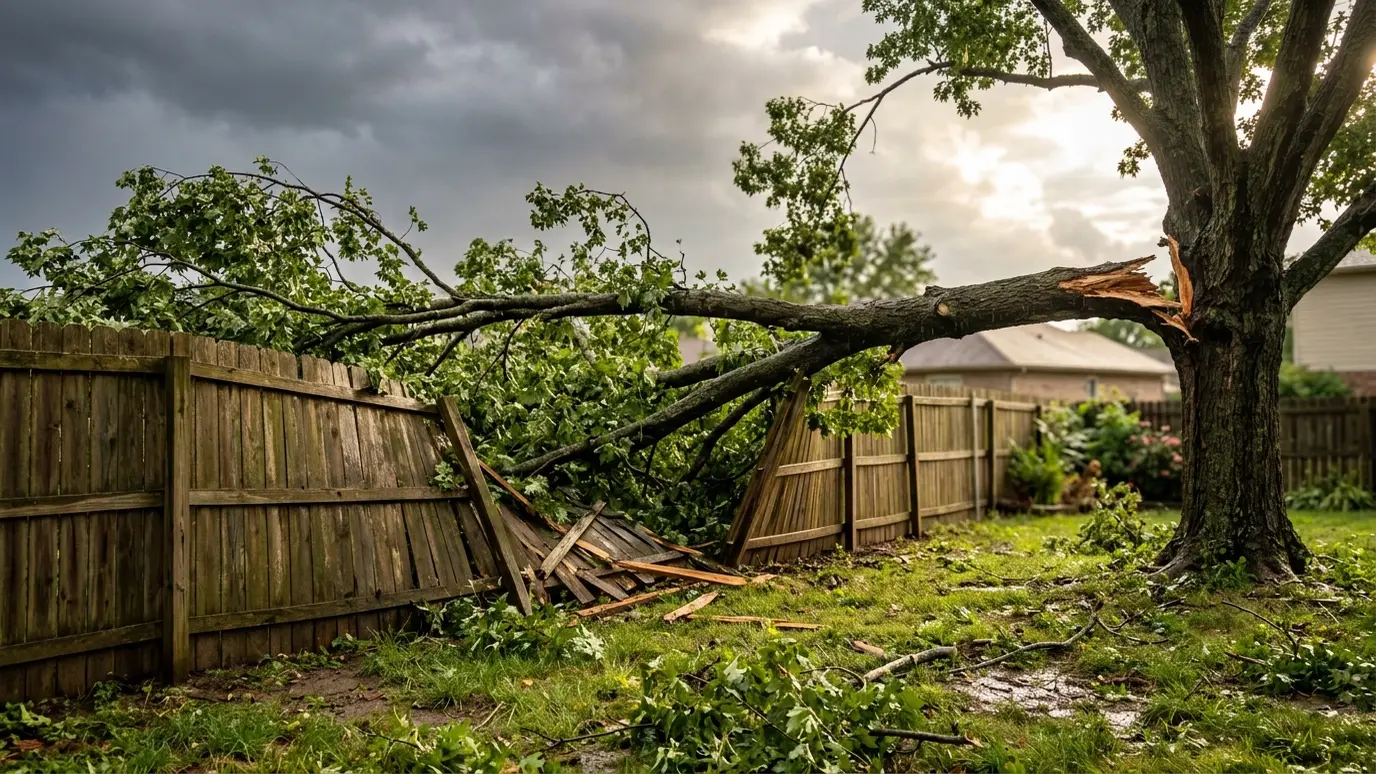 Common situationStorm DamageWind, ice and tornadoes leave trees broken, split and leaning. Knowing what to save and what to remove…Learn more
Check off what you see on the trunk, roots and crown and what is below the tree, and get a plain-language risk level.
Tell us what you see and what worries you. We give you safety tips right away.
A Certified Arborist looks at the tree, the site and the best method.
You get a written scope and price before any work begins.
Our crew rigs, cuts and lowers with your property protected.
We chip, haul, rake and walk the site with you.
We explain what the tree or property needs next and when to call us.
We can tell you how likely it is based on its condition and what it could hit. No one can predict a storm, but we can identify the trees most at risk.
Every few years for mature trees near homes, and after storms or construction.
Yes. Many assessments end with no action needed, or a small fix.
Yes. They are useful for insurance, for HOAs and for resale.
Visual inspection, a mallet, a probe and, when needed, resistance drilling or sonic tools to detect decay.
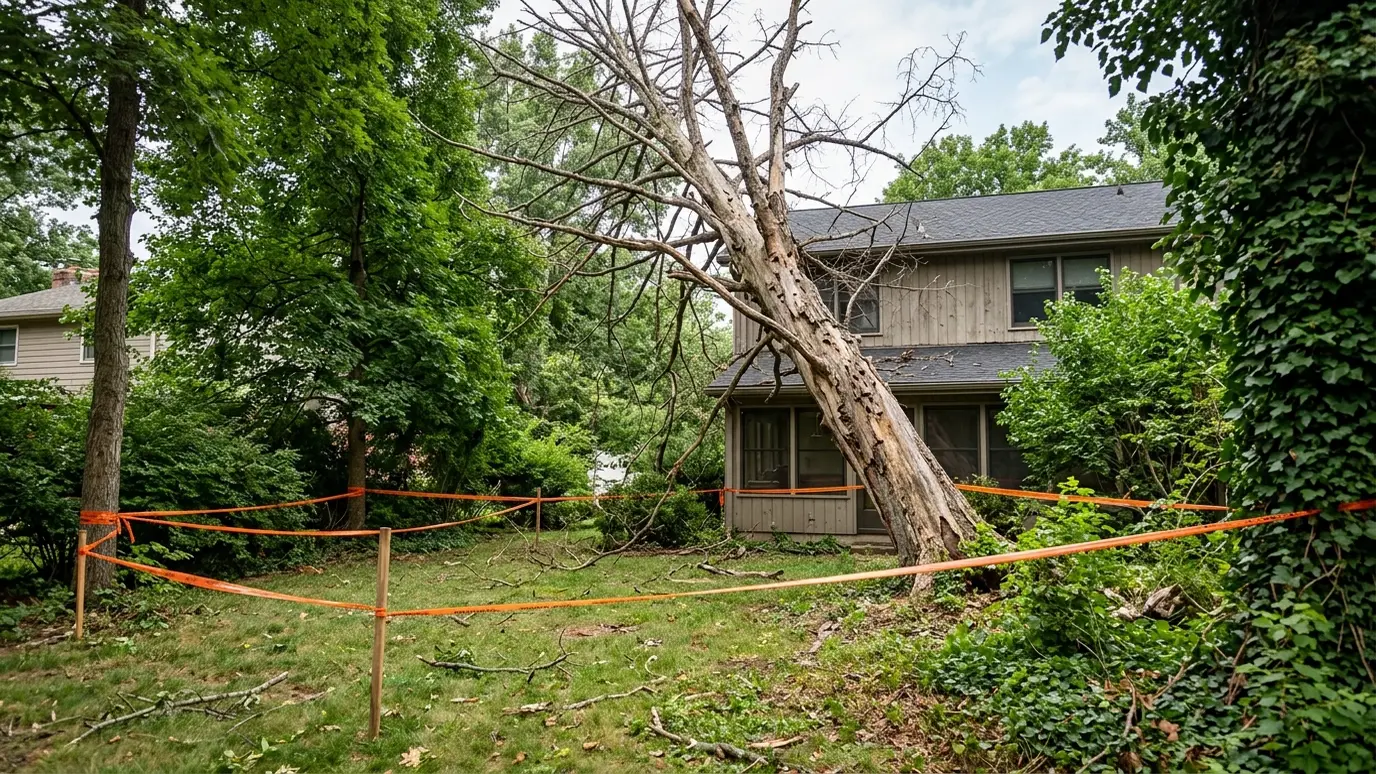 Hazardous Tree RemovalTrees that lean over homes, split at the trunk or hold dead wood overhead, assessed honestly and removed…Explore
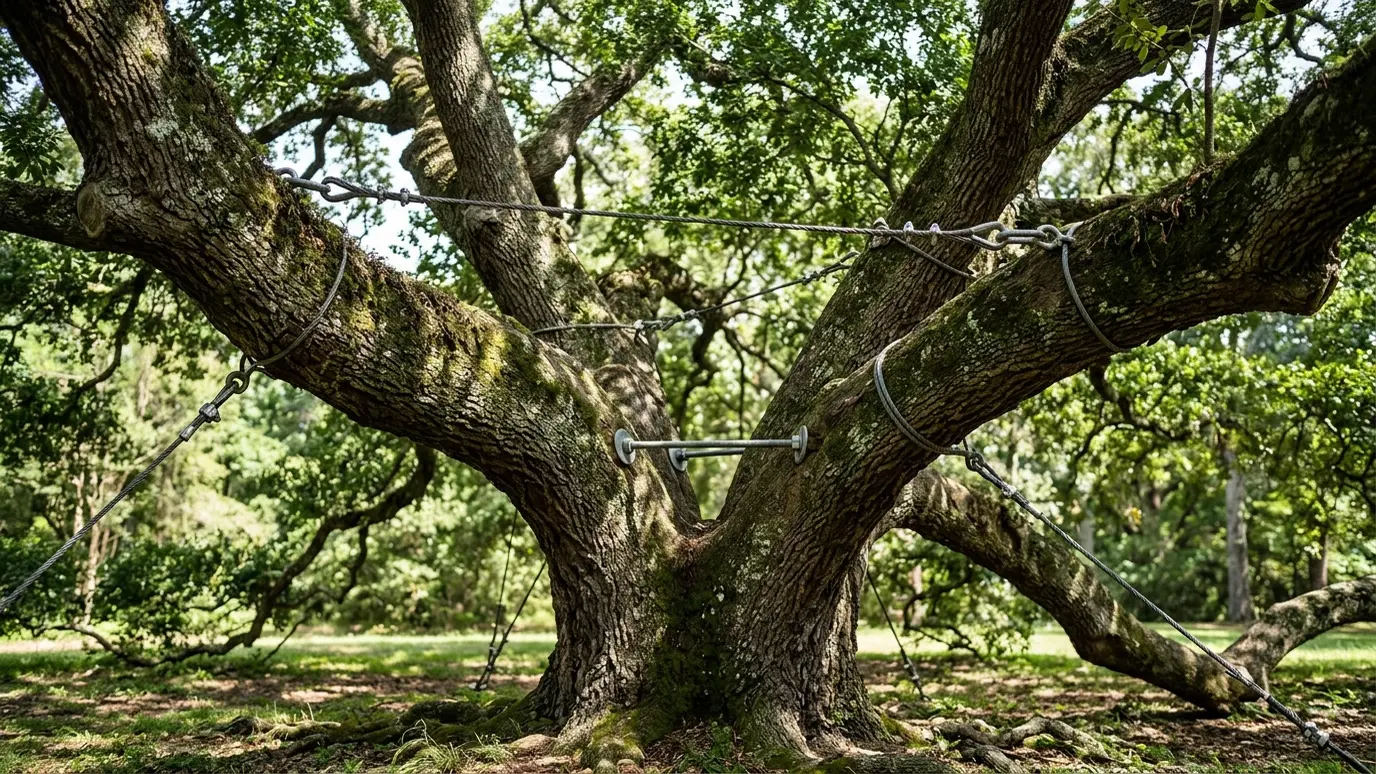 Cabling and BracingWeak unions and heavy limbs supported with cables and braces, so valuable trees can stay safely.Explore
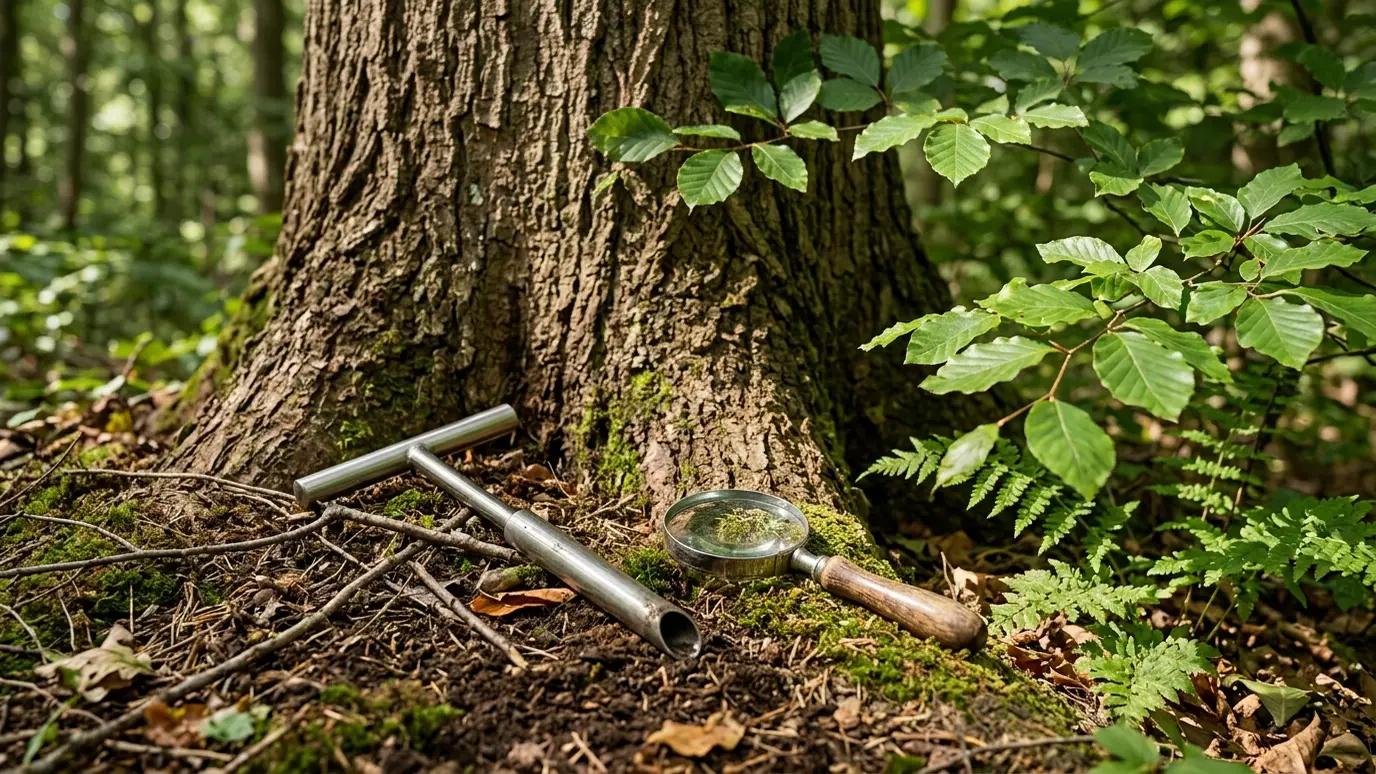 Tree Health AssessmentThin crown, odd leaf color, dying branches or mushrooms on the trunk: an arborist figures out what is…Explore
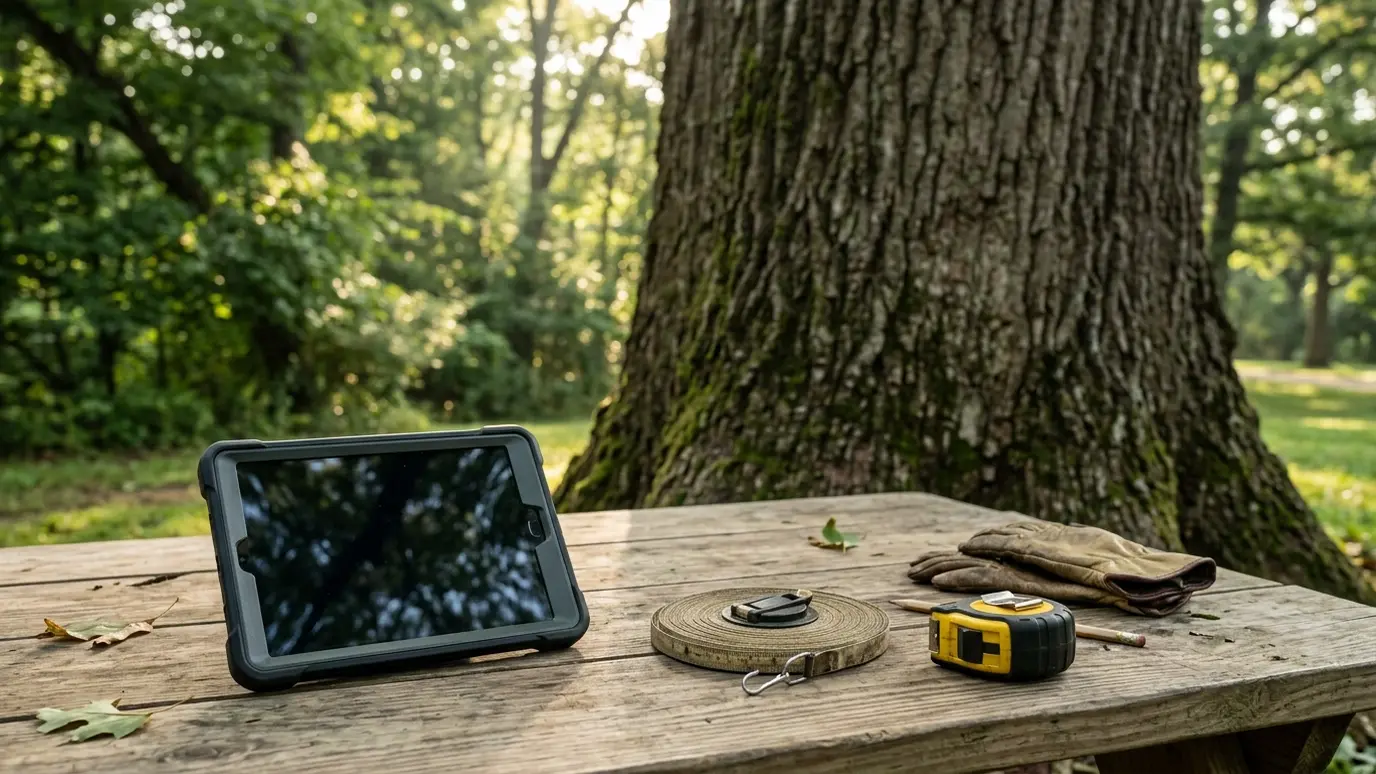 Arborist ConsultationSit down with a Certified Arborist on your property and get straight answers about every tree you are…Explore
Tell us about your tree and we will call you back quickly.
Or call (615) 357-7797 to talk now.