Redbuds, dogwoods, Japanese maples, crape myrtles and more, pruned to protect bloom, form and health.
Ornamental trees are the jewelry of a landscape, and they are easy to spoil with the wrong cut. A redbud pruned at the wrong time loses its spring bloom, a dogwood hacked back loses its layered shape and a crape myrtle topped every year turns into a stubby knuckle.
We prune ornamentals with their purpose in mind. A Certified Arborist knows when each species sets its flower buds, how it branches and what shape it should reach at maturity. We remove only what the tree does not need and let the natural form do the rest.
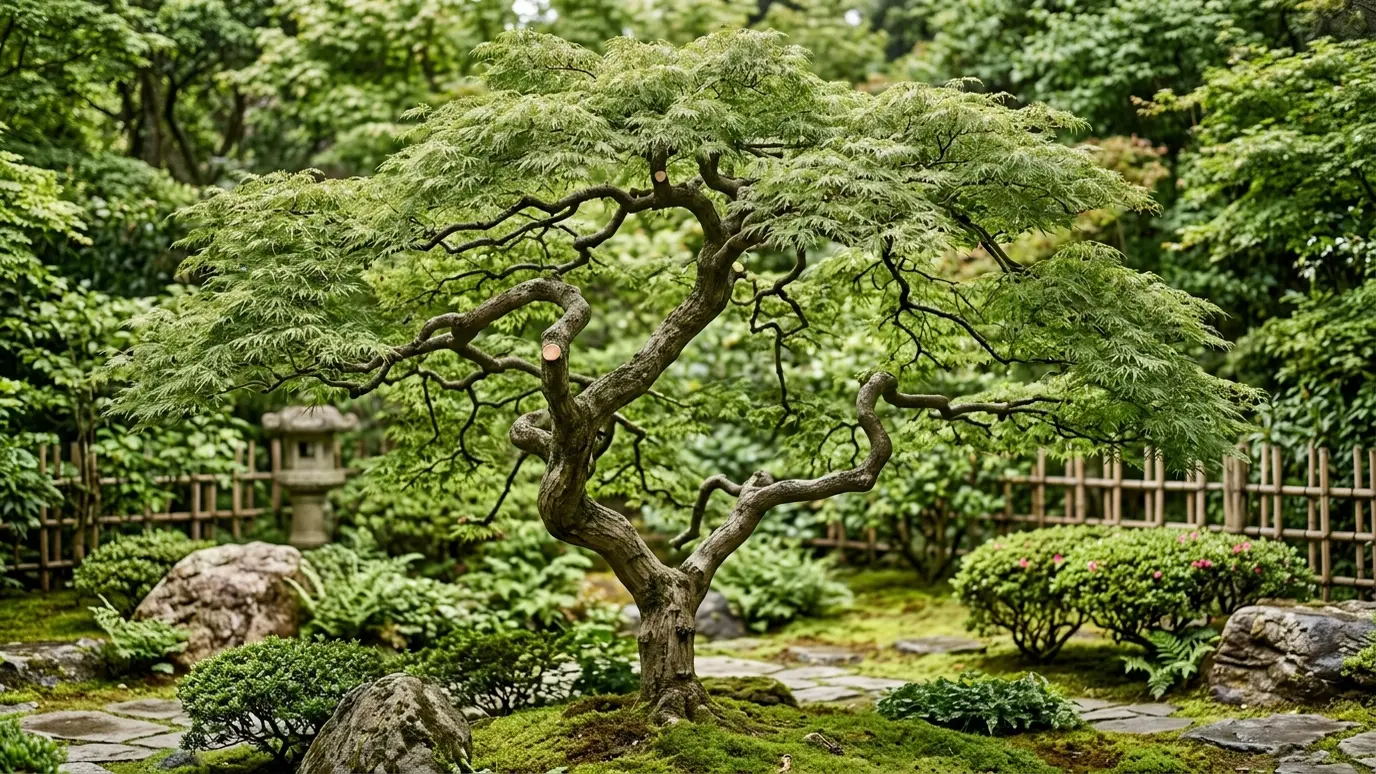
Spring bloomers such as redbud and dogwood are pruned right after flowering, so we do not remove the buds. Summer bloomers such as crape myrtle can be pruned in late winter. Japanese maples are best pruned lightly in late winter or after leaf-out to see structure.
Each ornamental has a form: the layered branches of a dogwood, the vase of a crape myrtle, the arch of a Japanese maple. We prune to show that form off. We avoid shearing, which creates dense outer foliage and dead interiors.
Crape murder, the practice of cutting a crape myrtle back to stubs every winter, weakens branches and removes the elegant structure. We select a few strong stems, remove suckers and crossing branches and let the tree reach its natural size.
Old, overgrown lilacs, hollies and dogwoods can often be renewed over two or three seasons. We remove a portion of the oldest stems each year and let new growth fill in, so the shrub keeps its flowers and its shape.
Cuts timed to protect flower buds.
A Certified Arborist knows each form.
No shearing, stubbing or topping.
Strong stems and open centers.
More light on blooms and foliage.
The right season for each tree.
Every topic has its own page with what to expect and how an arborist helps.
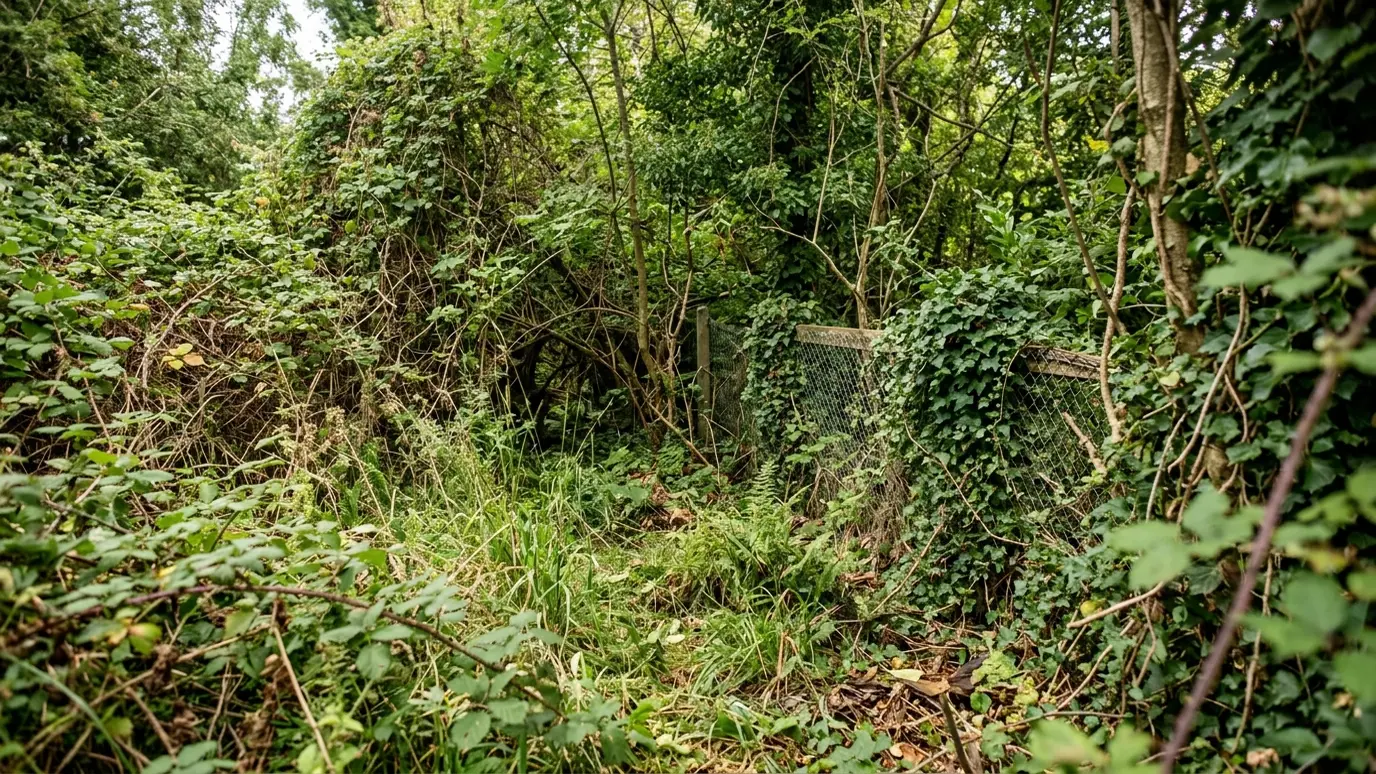 Common situationOvergrown PropertiesWhen trees, shrubs and vines take over, a plan beats a panic: what to cut, what to keep…Learn more
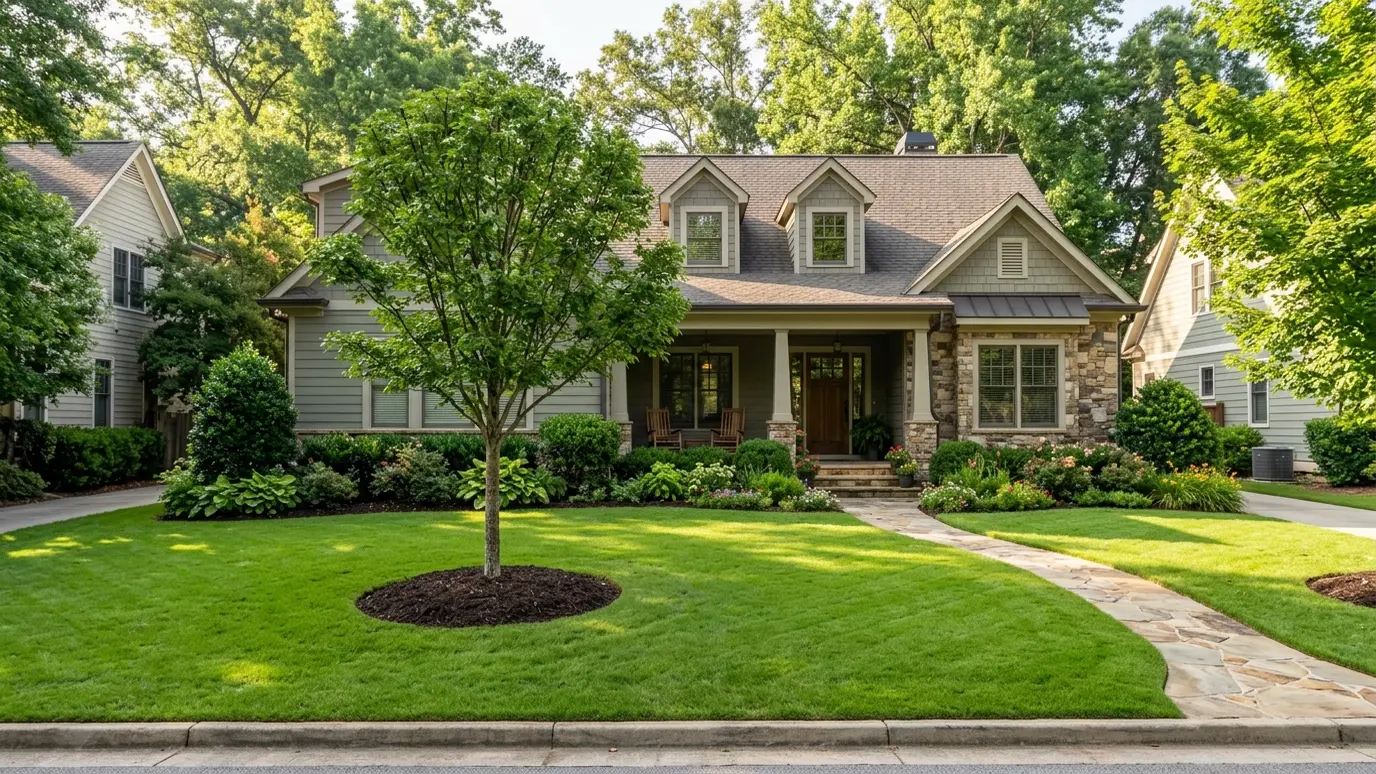 Common situationSelling Your HomeHealthy, tidy trees help a home sell. Hazards and overgrowth can derail a deal. Get ahead of both…Learn more
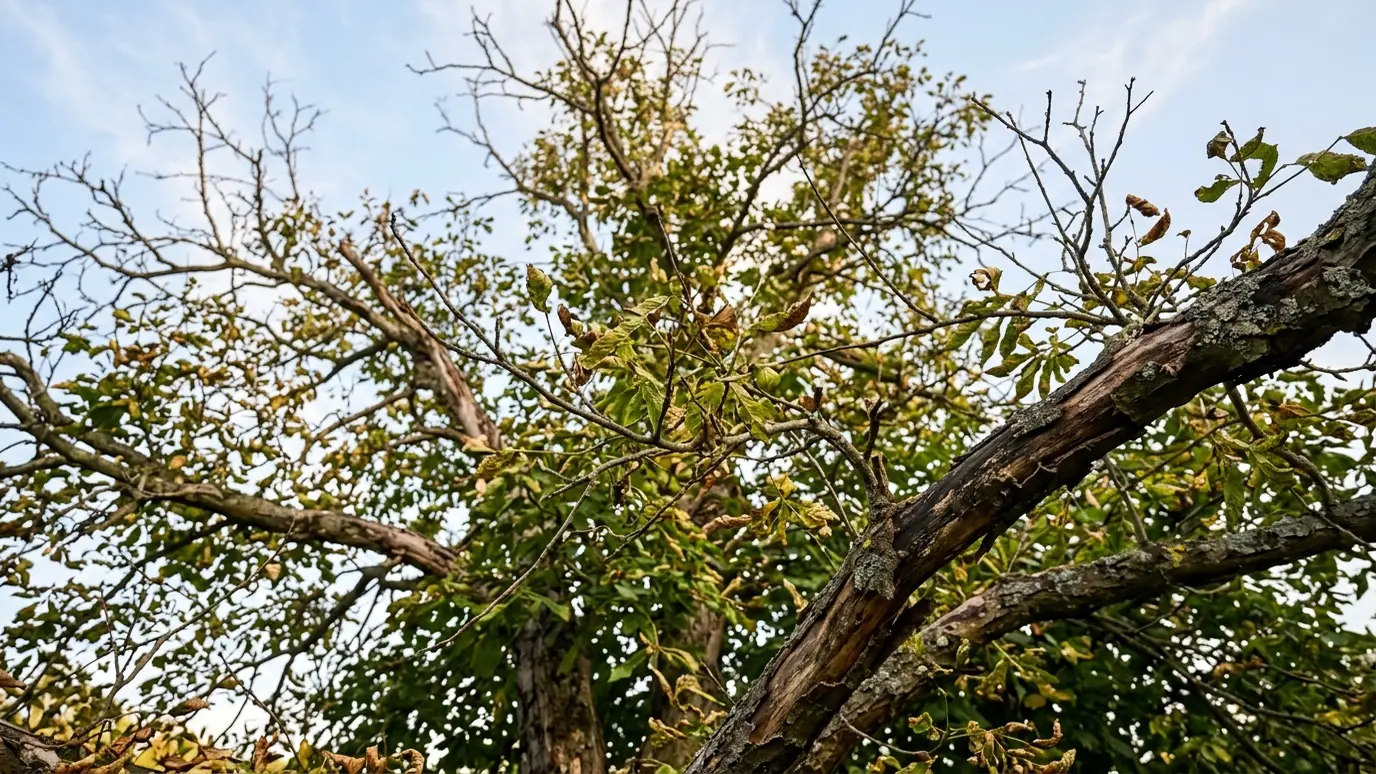 Common situationDeclining TreesThinning leaves, dying branches and odd growth are signals. Catch them early and many trees can recover.Learn more
Pick a tree and see the best months to prune it, the months to avoid and why.
Tell us what you see and what worries you. We give you safety tips right away.
A Certified Arborist looks at the tree, the site and the best method.
You get a written scope and price before any work begins.
Our crew rigs, cuts and lowers with your property protected.
We chip, haul, rake and walk the site with you.
We explain what the tree or property needs next and when to call us.
Right after it blooms in spring, so you do not remove next year's flower buds.
No. It is unnecessary and harmful. Light thinning and shaping are better.
Sometimes. We look for anthracnose, borers and stress and advise on care or removal.
Yes, lightly and with care. They need very few cuts.
Often. We select new leaders and thin the regrowth over a few seasons.
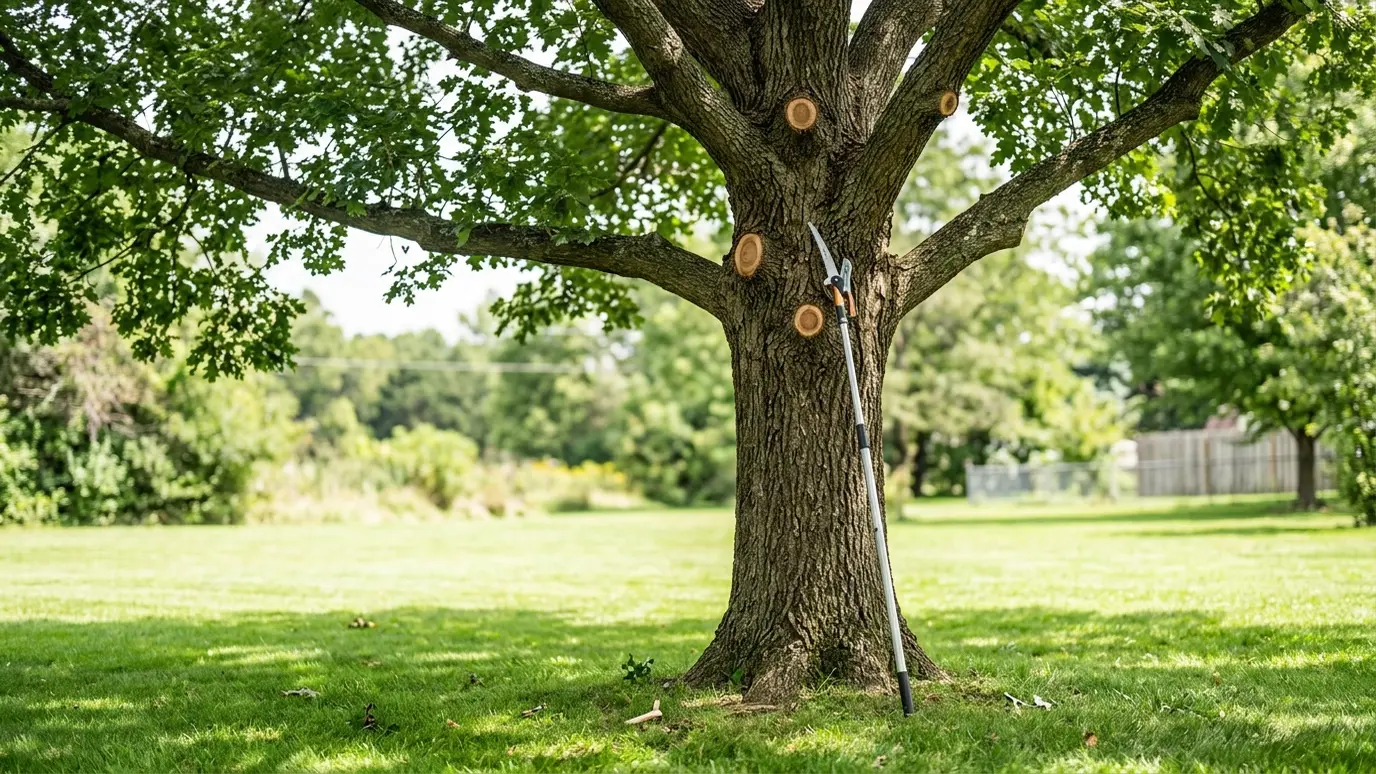 Tree PruningPrecision pruning for the long run: structure, health and form, with each cut made for a reason by…Explore
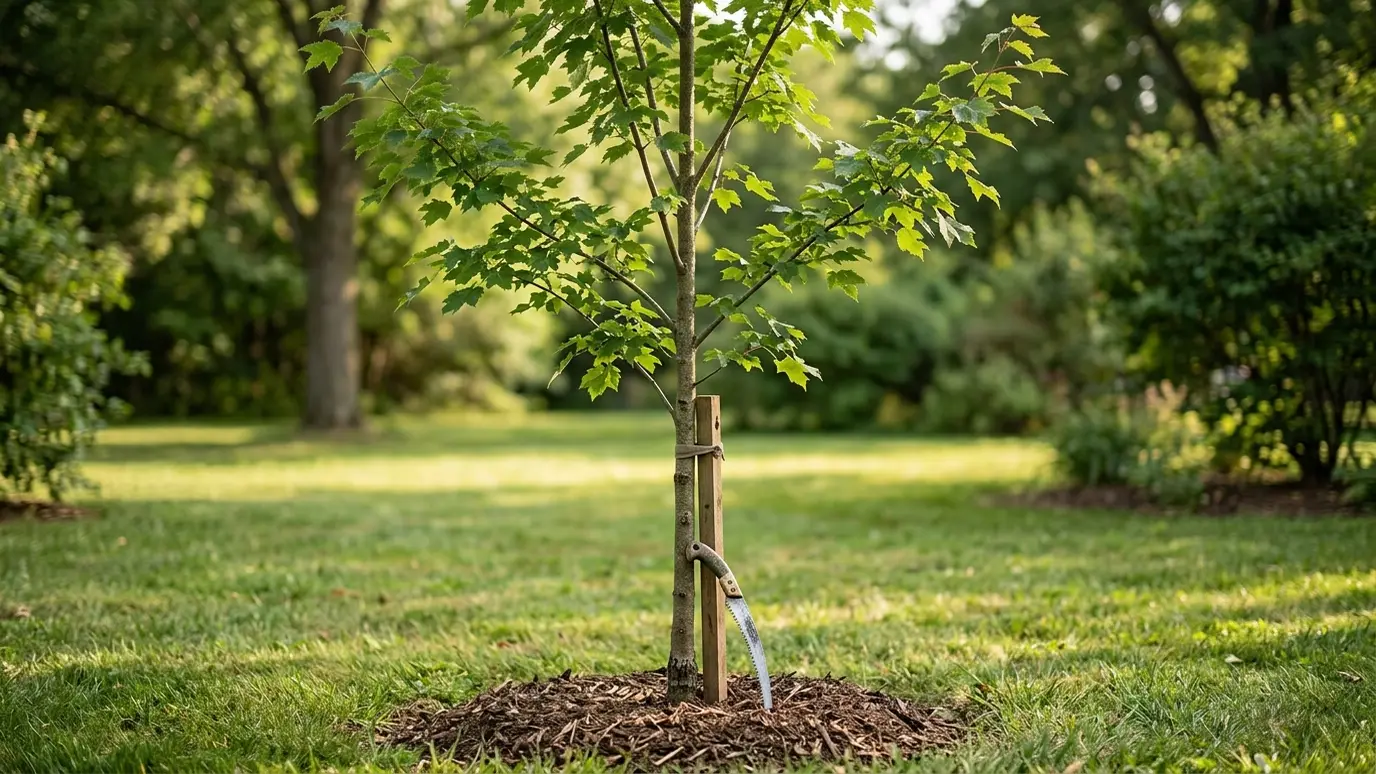 Structural PruningThe few cuts that make the biggest difference: training a young tree to grow strong, balanced and safe…Explore
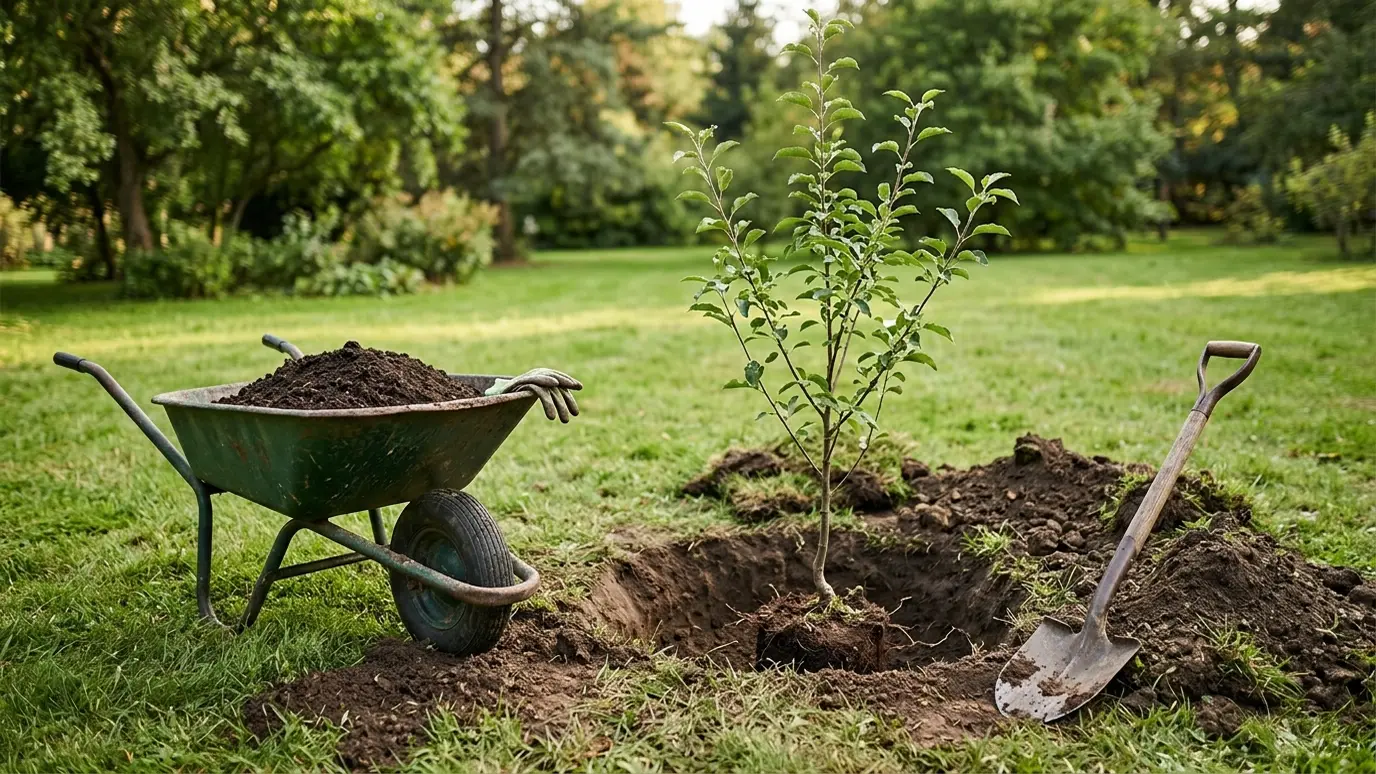 Tree PlantingThe right tree in the right place, planted correctly, so it thrives for generations instead of struggling for…Explore
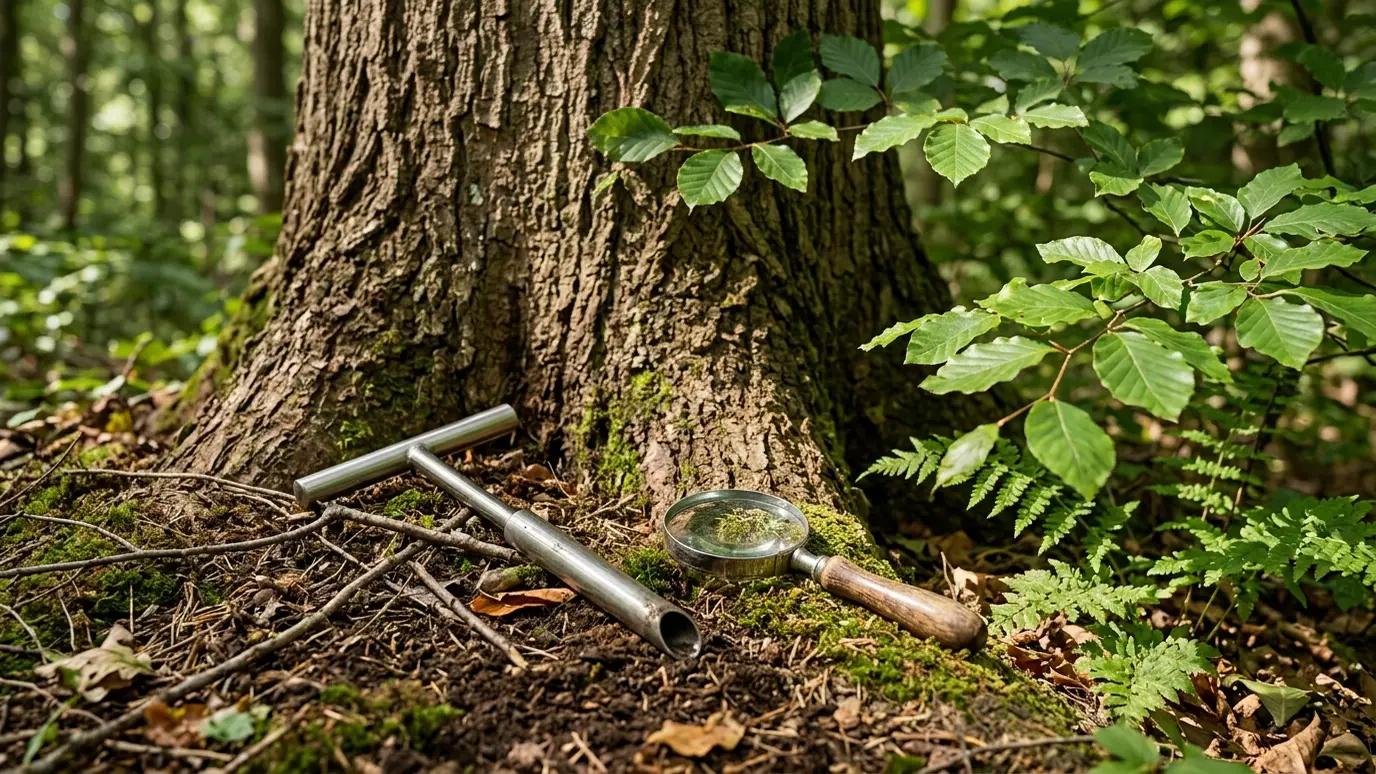 Tree Health AssessmentThin crown, odd leaf color, dying branches or mushrooms on the trunk: an arborist figures out what is…Explore
Tell us about your tree and we will call you back quickly.
Or call (615) 357-7797 to talk now.