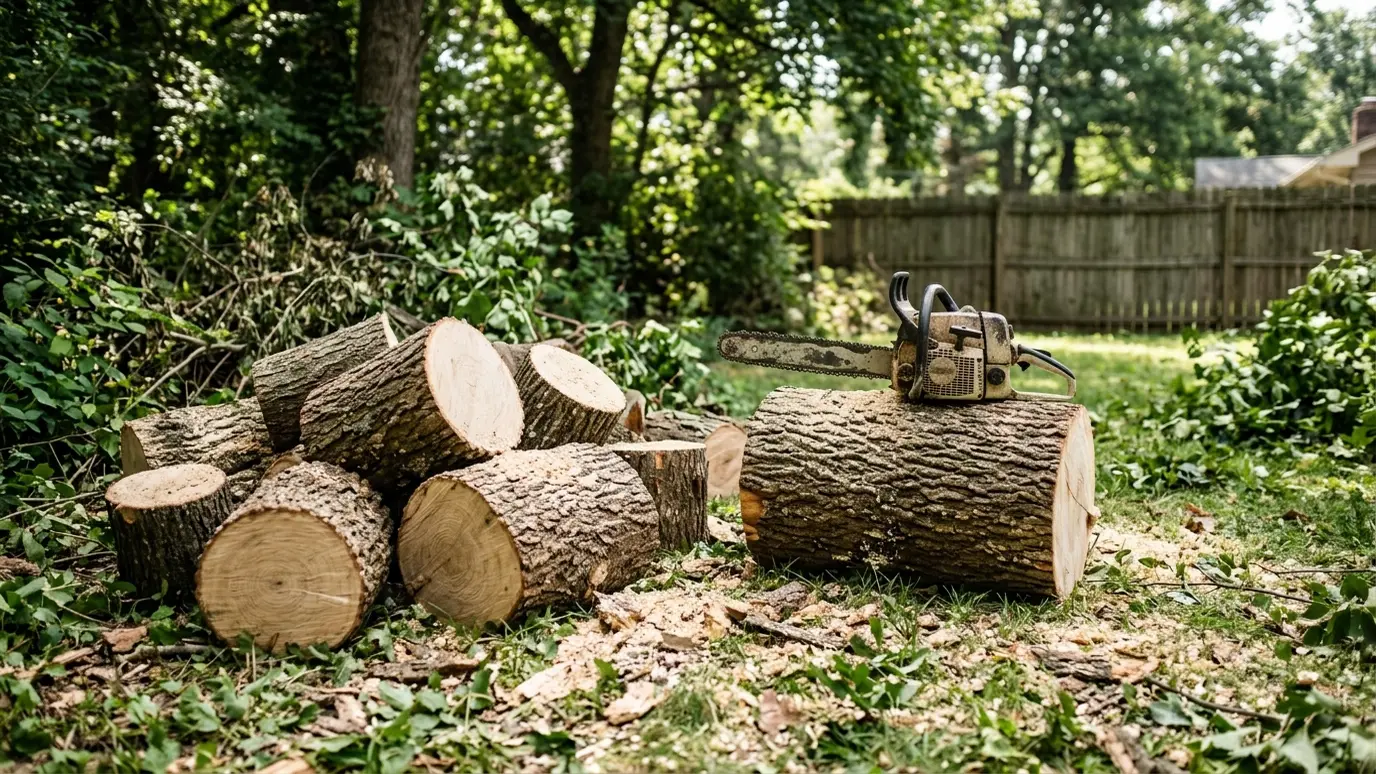
Controlled tree cutting for homeowners, builders and property managers: limbs, trunks and whole trees cut down safely and cleared away.
Cutting a tree sounds simple until you see what it involves: gravity, tension in the wood, hidden rot and everything the tree might land on. A clean, controlled cut is a skill, and a bad one can cost a roof, a fence or a life. Our crews cut trees every working day and know how wood actually behaves.
Whether it is a single overgrown limb, a leaning trunk or a whole tree that has to go, we assess first, plan the cut and set up the rigging. A Certified Arborist leads the plan. We cut in a sequence that keeps the work predictable, lower pieces rather than dropping them near structures and clear the debris when the cutting is done.
Open space allows a tree to be felled in one piece with a precise notch and back cut. When a tree is near buildings, fences or lines, we cut it down in sections and lower each piece with ropes. The method is chosen for safety, not speed.
Trees under tension from storm damage are the most dangerous to cut because the wood can snap or spring without warning. We read the tension, release it in the right order and avoid standing where a barber-chair split could throw the trunk.
Builders, fence crews and pool installers often need trees cut to make room. We coordinate timing with other trades, mark what stays and protect the trees you want to keep from root and trunk damage during the work.
Old trees can hide wire, nails and even buried fence hardware that wreck chains and injure crews. Our climbers check for metal, rot pockets and old repairs before cutting, and they adjust the plan when something unexpected shows up in the wood.
Notches, back cuts and rigging planned before the saw starts.
A Certified Arborist plans the work.
Fences, roofs and garden beds guarded.
Logs and brush taken away or left as firewood.
Often within a few days.
We tell you what is needed and what is not.
Every topic has its own page with what to expect and how an arborist helps.
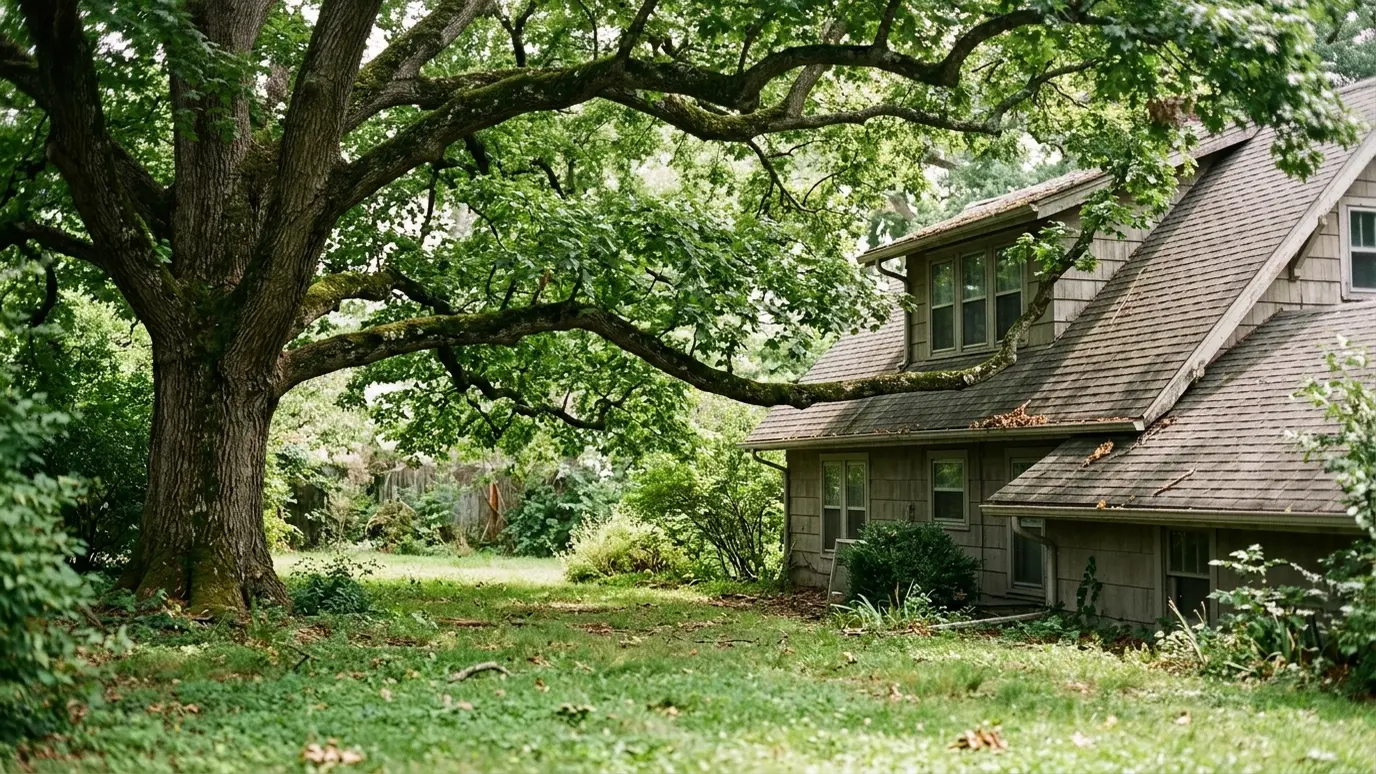 Common situationTrees Near the HouseBig trees beside a home bring shade and value, and risk. Here is how to tell whether yours…Learn more
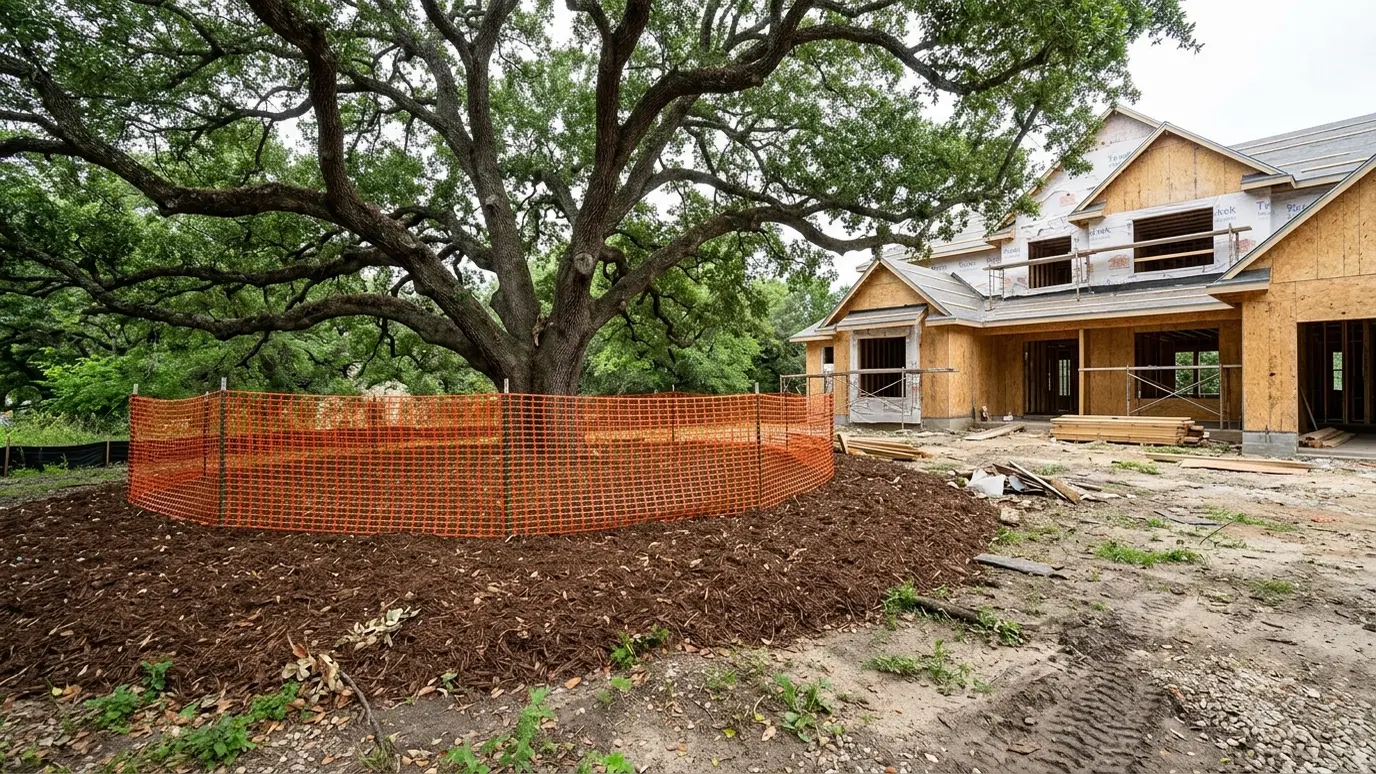 Common situationTrees and ConstructionNew homes, additions, driveways and pools are hard on trees. A plan before the equipment arrives is the…Learn more
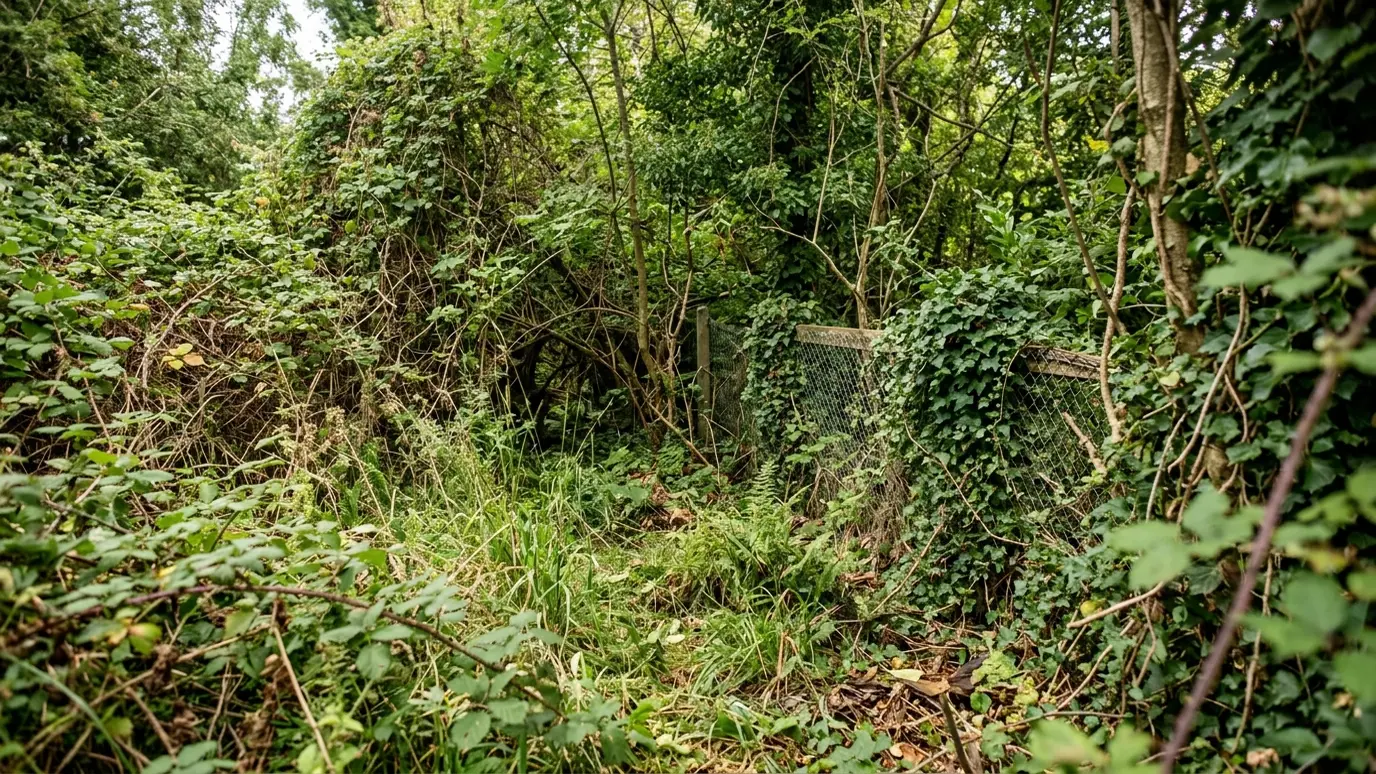 Common situationOvergrown PropertiesWhen trees, shrubs and vines take over, a plan beats a panic: what to cut, what to keep…Learn more
Enter height, trunk size and access, and see the likely method, equipment, crew and time for a removal.
Tell us what you see and what worries you. We give you safety tips right away.
A Certified Arborist looks at the tree, the site and the best method.
You get a written scope and price before any work begins.
Our crew rigs, cuts and lowers with your property protected.
We chip, haul, rake and walk the site with you.
We explain what the tree or property needs next and when to call us.
Yes. Cutting a damaged limb or a section of a tree is common. We tell you if removing only part will leave the tree unbalanced or unsafe.
Trees touching or close to power lines are a job for the utility or a qualified line-clearance crew. We tell you what we can safely do and when to call the utility first.
That is a priority. We look at the root plate and the trunk and recommend the safest method, which is often sectional removal or a crane.
Yes. Small trees, volunteers and overgrown saplings are quick jobs, and we price them accordingly.
Yes, with a plan. Slopes affect where wood will roll and how crews stand, so we adjust rigging and sequence.
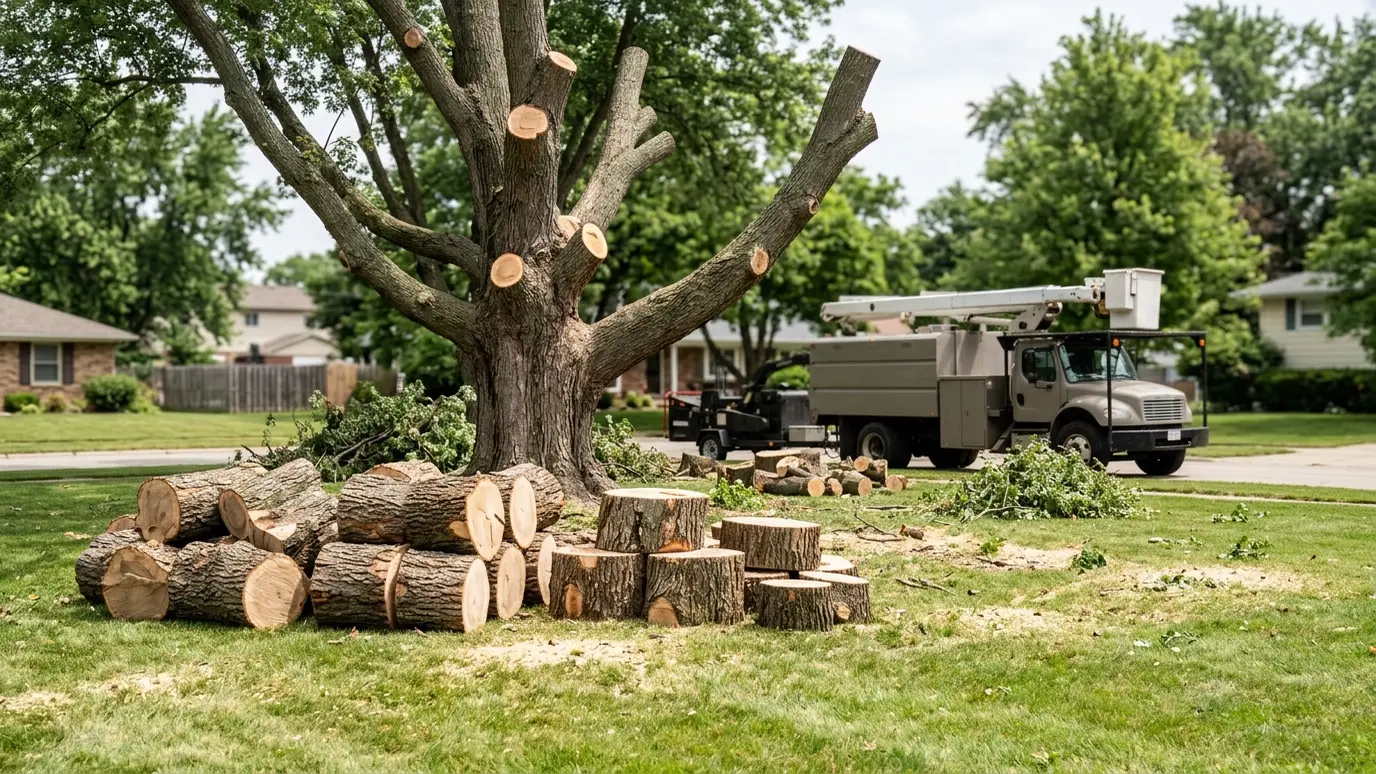 Tree RemovalSafe, planned removal of trees of every size, from a single backyard maple to a stand of oaks…Explore
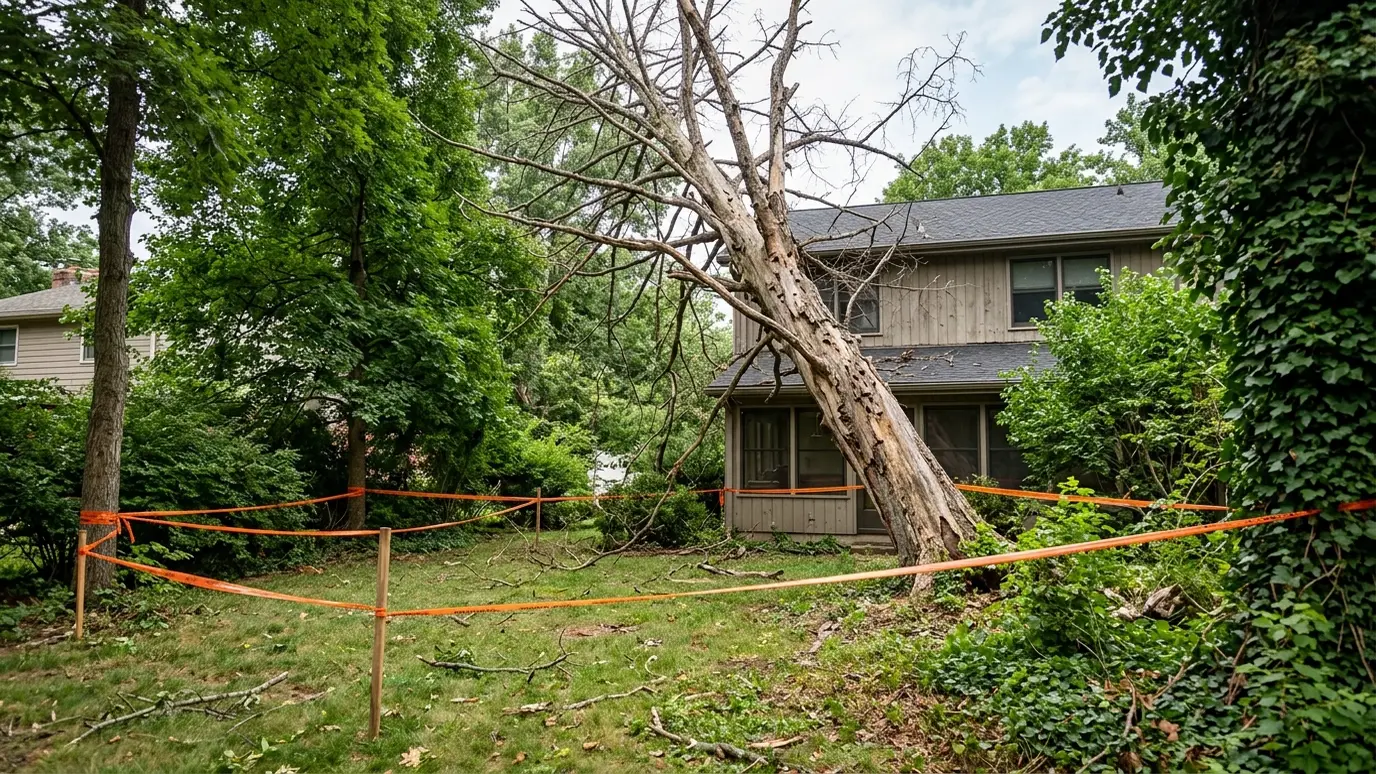 Hazardous Tree RemovalTrees that lean over homes, split at the trunk or hold dead wood overhead, assessed honestly and removed…Explore
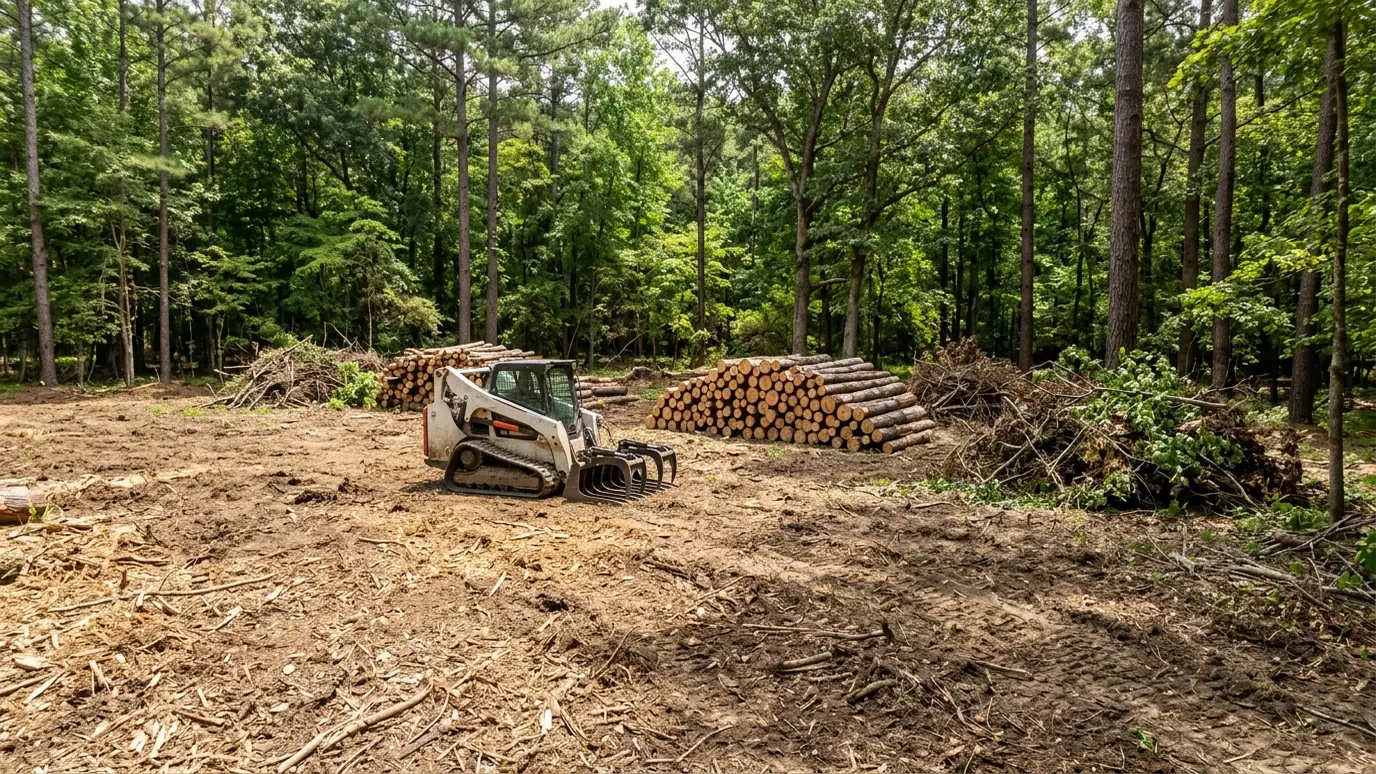 Lot ClearingOvergrown lots cleared for building, fencing, pasture or a fresh start, with trees removed, brush chipped and stumps…Explore
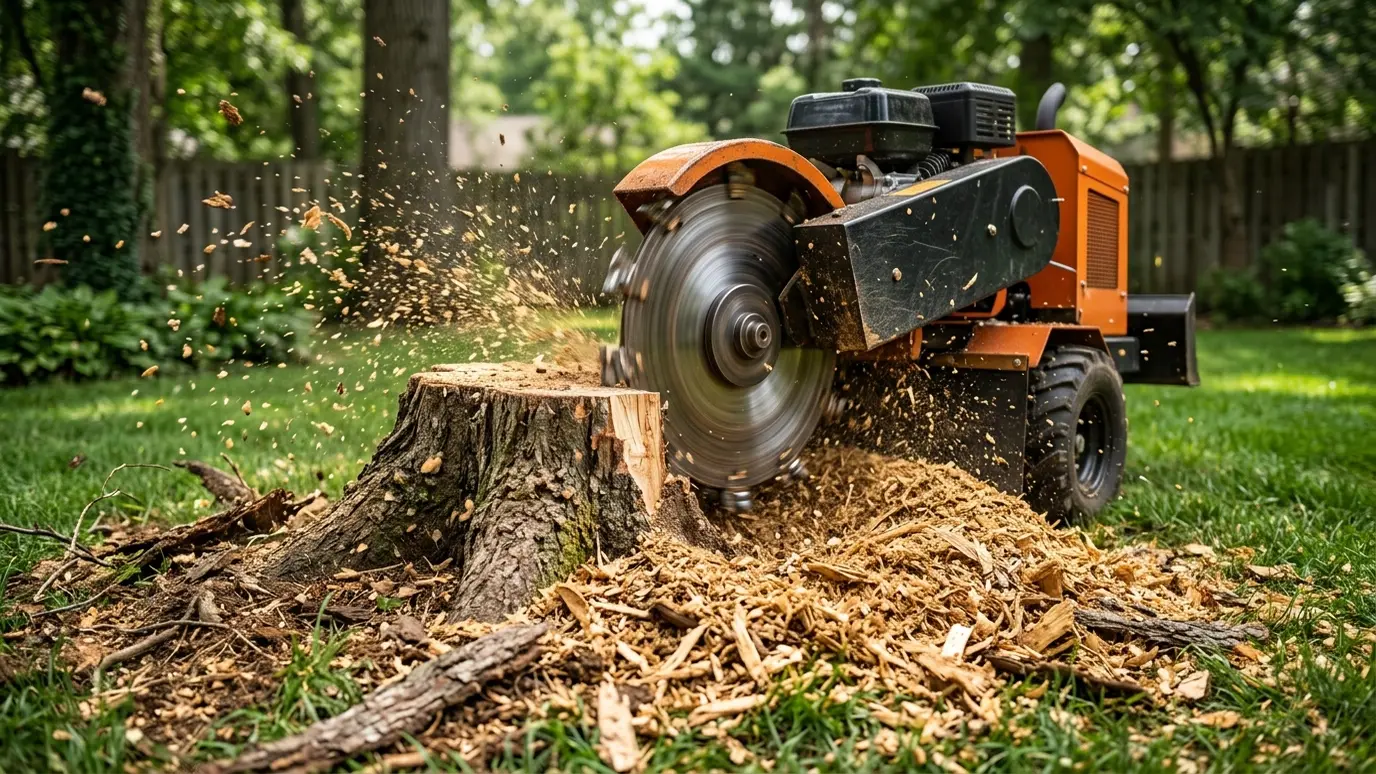 Stump GrindingStumps ground well below the surface, so you can plant, sod or build where a tree used to…Explore
Tell us about your tree and we will call you back quickly.
Or call (615) 357-7797 to talk now.