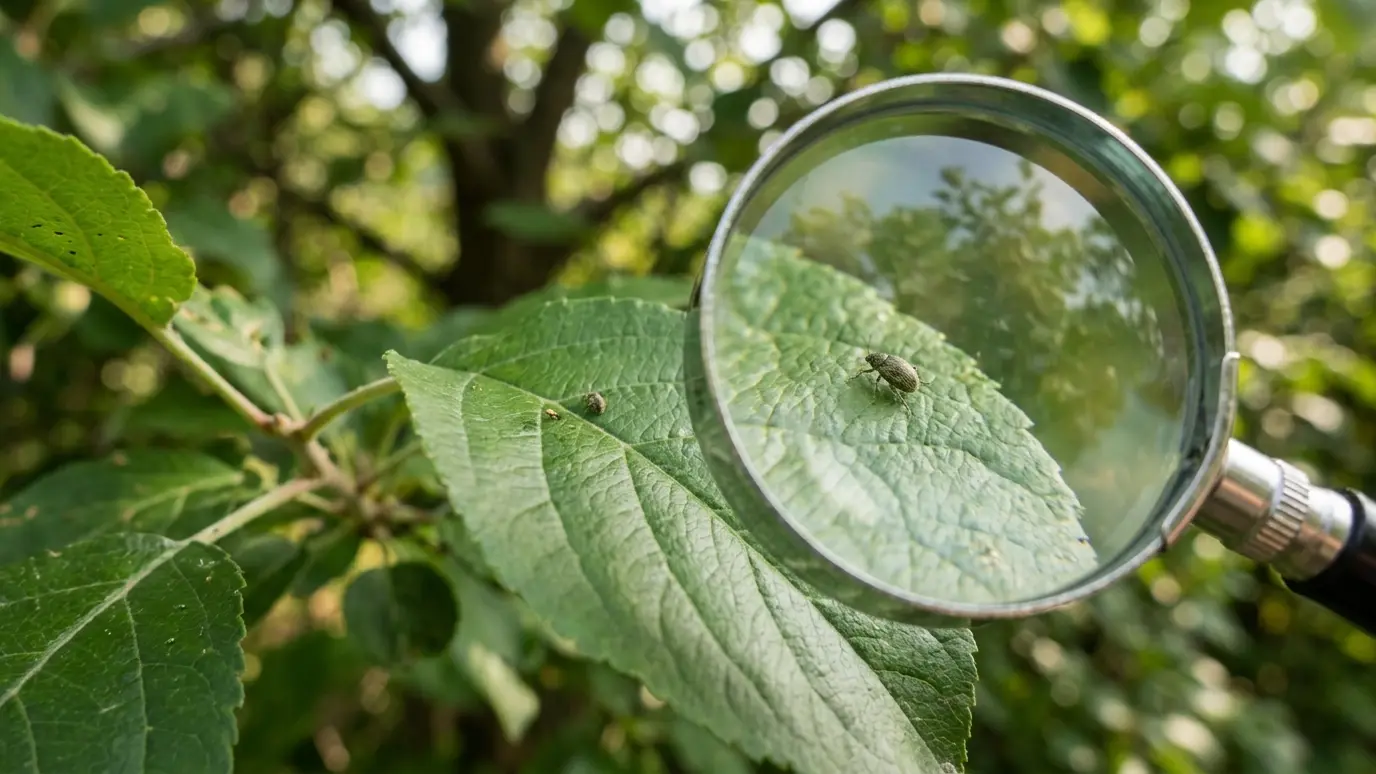
Emerald ash borer, bagworms, scale, borers and other pests identified and managed with the least treatment that works.
Insects are part of every landscape, and most are harmless. A few can kill a tree in a couple of seasons. Emerald ash borer has killed millions of ash trees across the country, and borers, scale, bagworms and defoliators can badly weaken trees that are already stressed.
A Certified Arborist identifies what you have, how bad it is and whether it needs action. Our approach is integrated pest management: monitor first, treat when thresholds are crossed, use the least disruptive product that works and focus on tree health so pests have a harder time taking hold. We are honest about when a tree is too far gone to treat.
Ash trees in Tennessee are at serious risk from emerald ash borer. Treatments can protect healthy ash trees if started early. Trees that have lost much of their crown are poor candidates and may need removal before they become brittle and dangerous.
Bagworms on junipers and arborvitae, scale on magnolias and crape myrtles, borers on stressed trees, spider mites in dry weather and webworms and caterpillars on many species. Each has a timing window for effective control.
Options include trunk injection, soil application, horticultural oils and targeted sprays. We choose methods that protect pollinators and beneficial insects where possible, and we explain the plan before we start.
Treating trees while they are in bloom can harm bees. We time treatments for before or after bloom, choose products carefully and tell you what to expect.
Treat the right pest at the right time.
Integrated pest management.
Early treatment for healthy trees.
Pollinators and beneficials considered.
Treat only when it is needed.
Visits timed to pest cycles.
Every topic has its own page with what to expect and how an arborist helps.
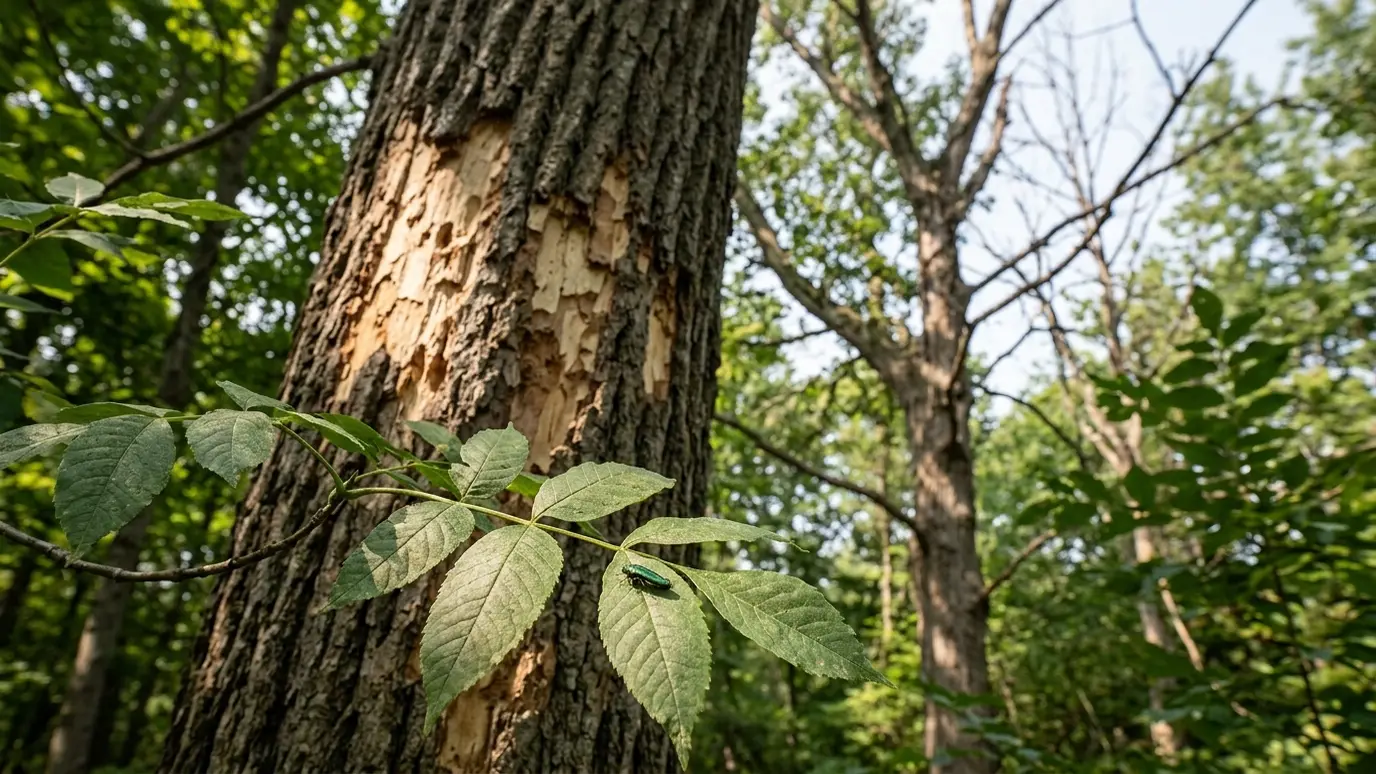 Species guideAsh TreesEmerald ash borer has changed everything for ash trees. Healthy trees can be protected, but time matters.Learn more
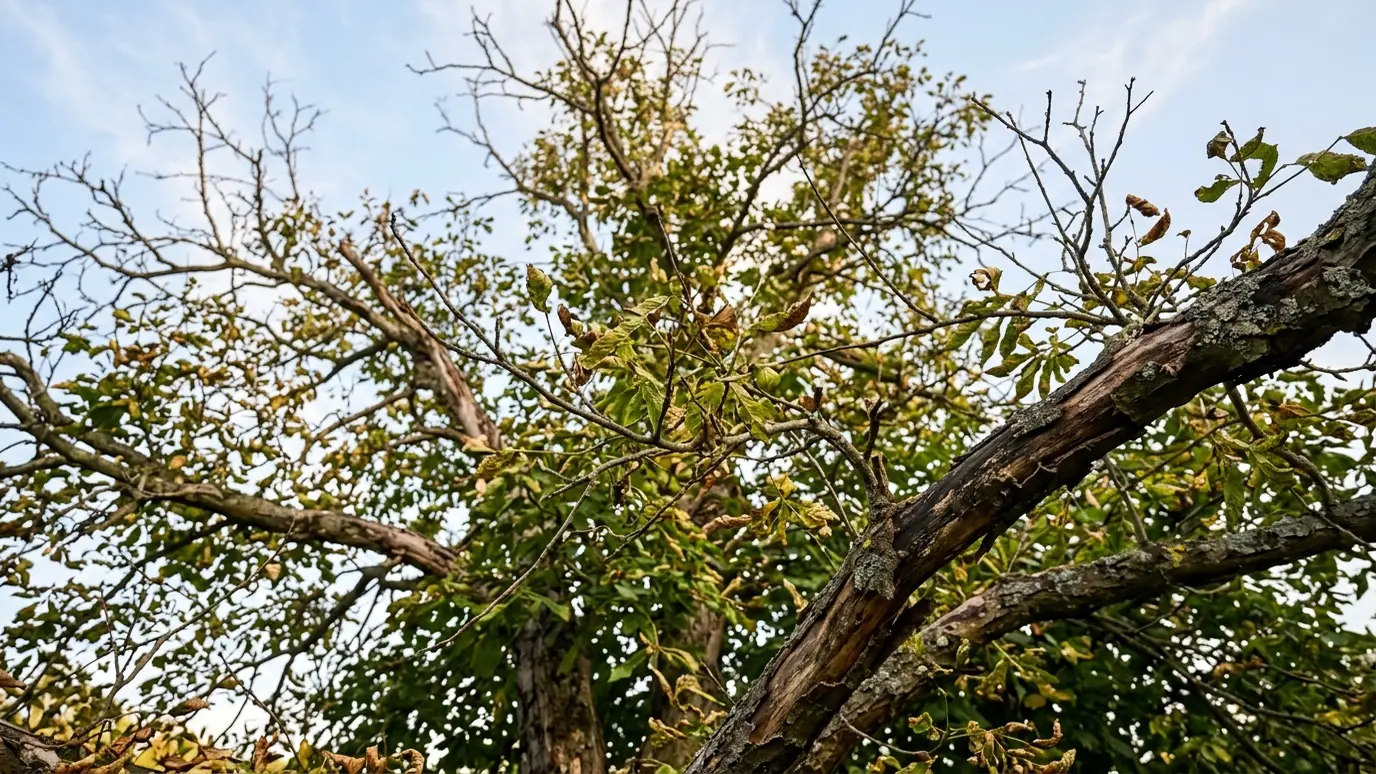 Common situationDeclining TreesThinning leaves, dying branches and odd growth are signals. Catch them early and many trees can recover.Learn more
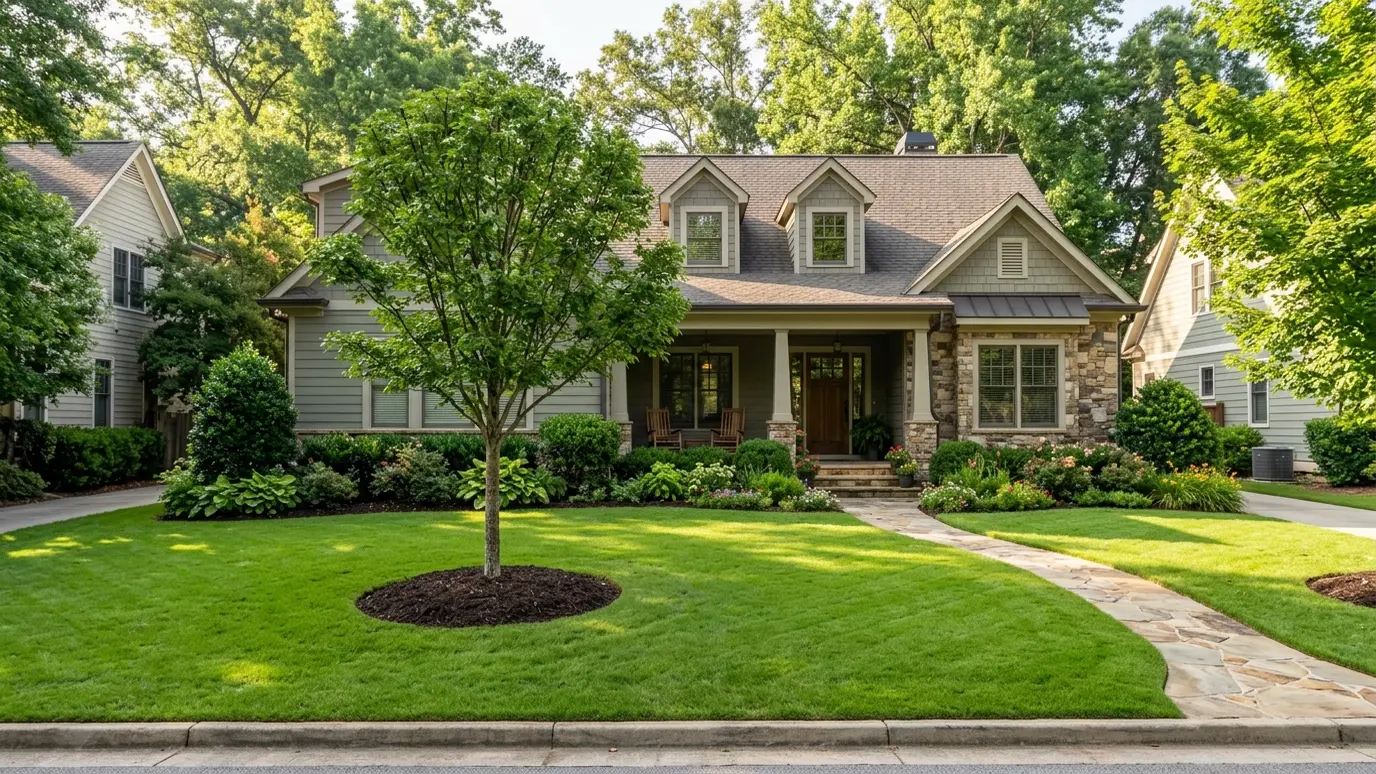 Common situationSelling Your HomeHealthy, tidy trees help a home sell. Hazards and overgrowth can derail a deal. Get ahead of both…Learn more
Answer seven questions about a tree and get a health score with a simple care plan.
Tell us what you see and what worries you. We give you safety tips right away.
A Certified Arborist looks at the tree, the site and the best method.
You get a written scope and price before any work begins.
Our crew rigs, cuts and lowers with your property protected.
We chip, haul, rake and walk the site with you.
We explain what the tree or property needs next and when to call us.
Not if it is healthy and treated in time. Trees with heavy canopy loss are harder to save.
Thinning crown, bark splitting, D-shaped exit holes and woodpecker damage are signs. We look closely.
Some are safer than others. We choose methods with pollinators in mind.
Early summer when they are small. We schedule it.
Treatments are typically repeated every year or two, depending on the product.
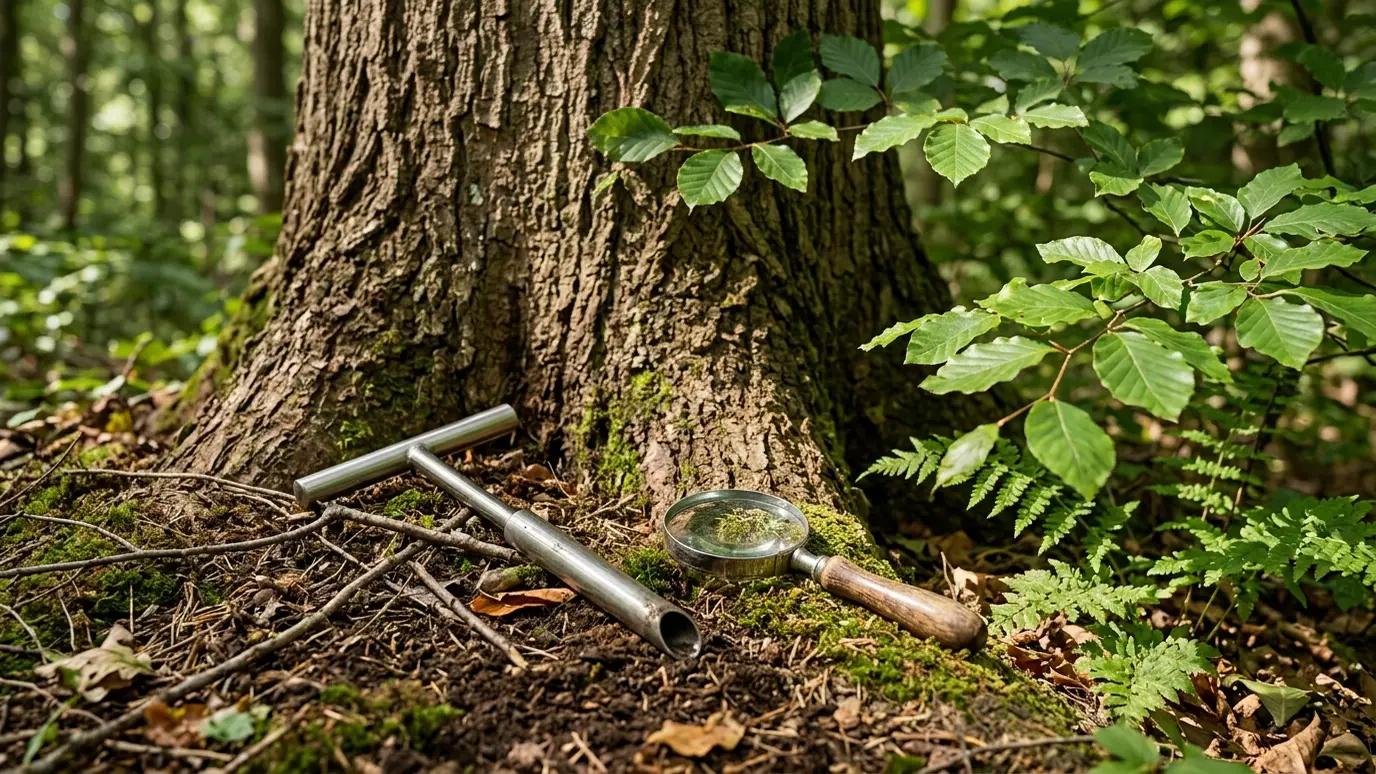 Tree Health AssessmentThin crown, odd leaf color, dying branches or mushrooms on the trunk: an arborist figures out what is…Explore
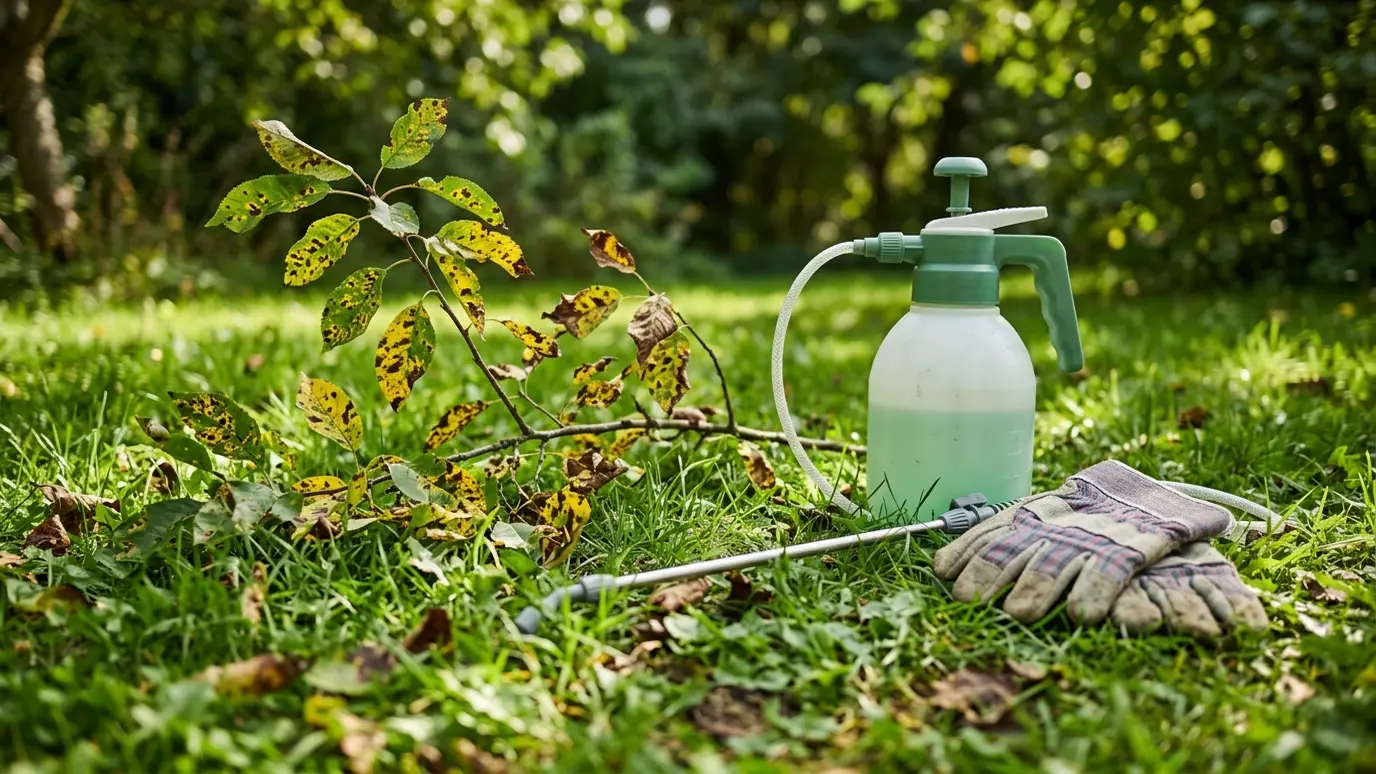 Disease TreatmentFungal and bacterial problems like anthracnose, leaf spot and oak diseases identified and managed so trees recover.Explore
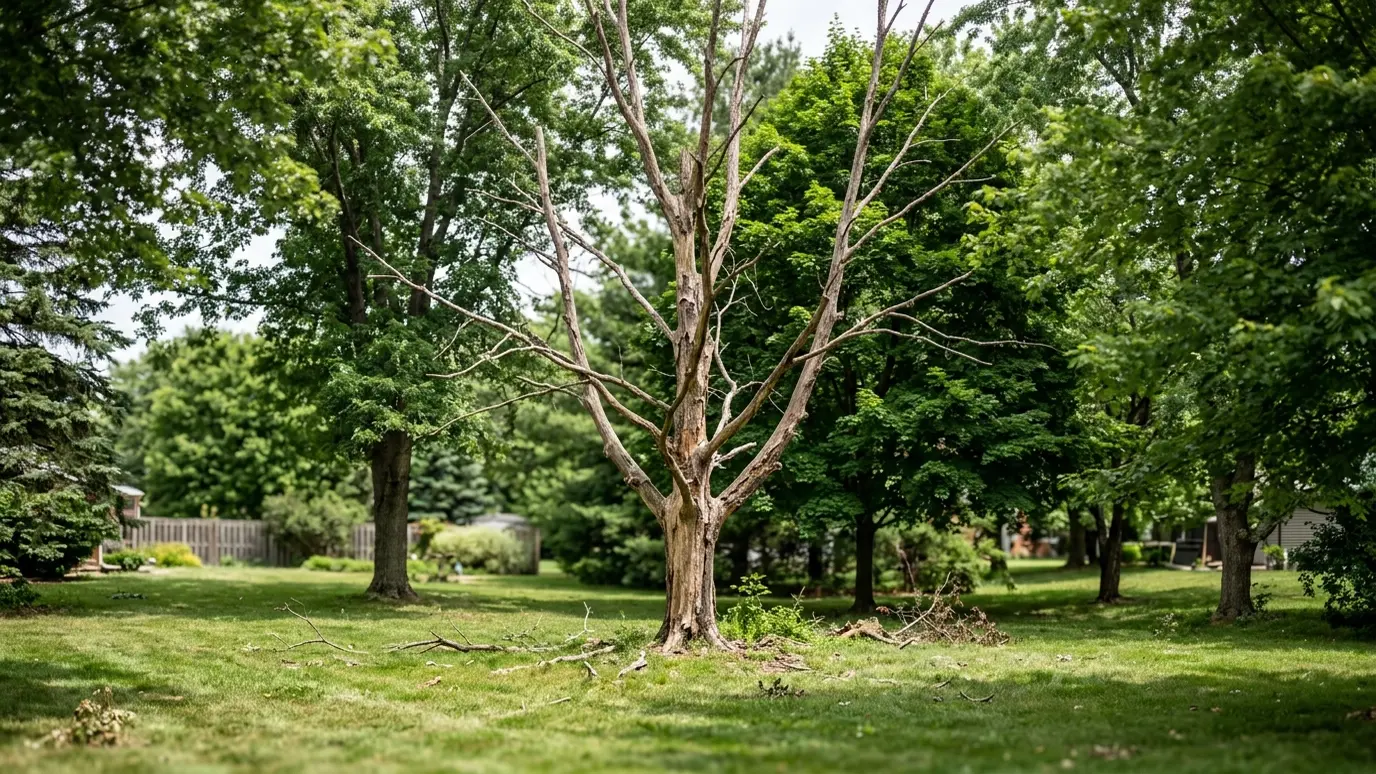 Dead Tree RemovalDead trees get brittle and unpredictable. We take them down before the next storm does it for you.Explore
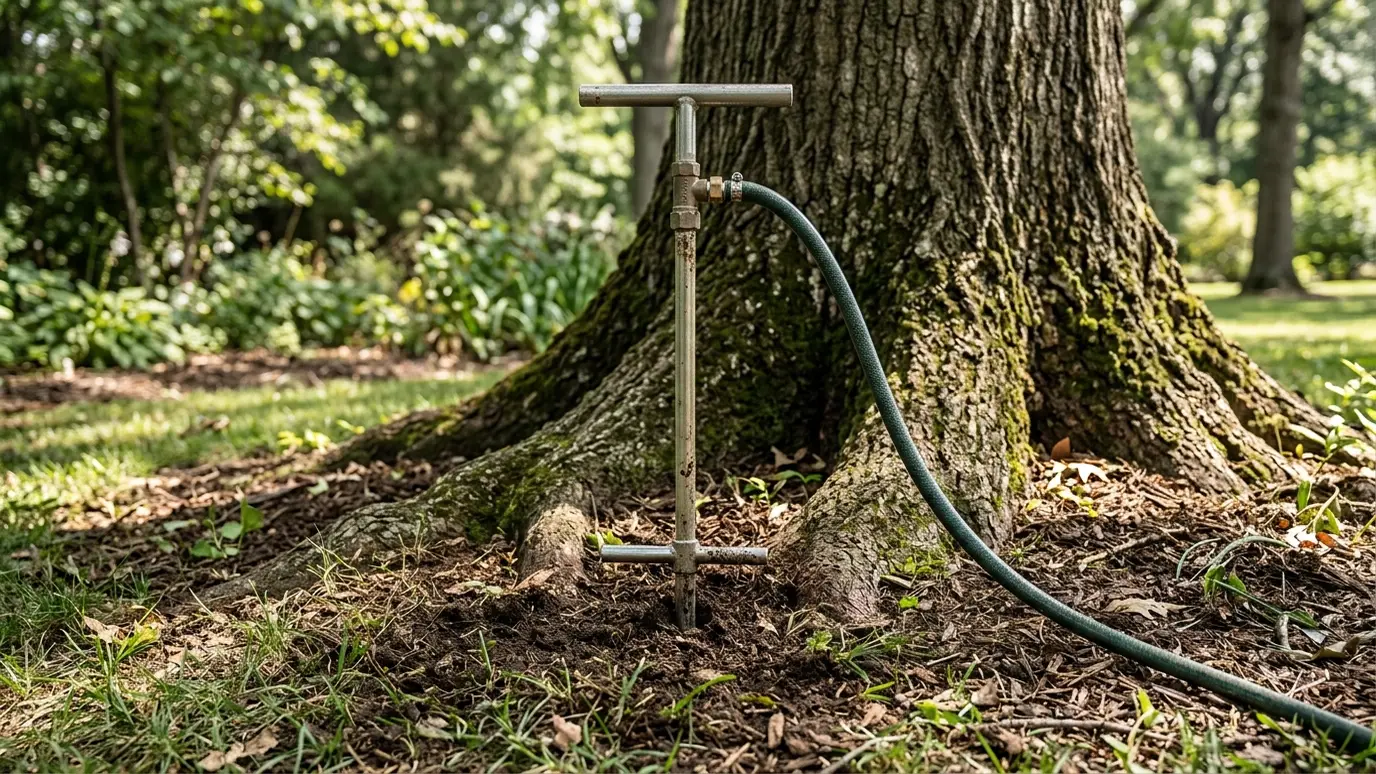 Deep Root FertilizationNutrients and organic matter placed where tree roots actually feed, so trees in compacted, nutrient-poor urban soil can…Explore
Tell us about your tree and we will call you back quickly.
Or call (615) 357-7797 to talk now.