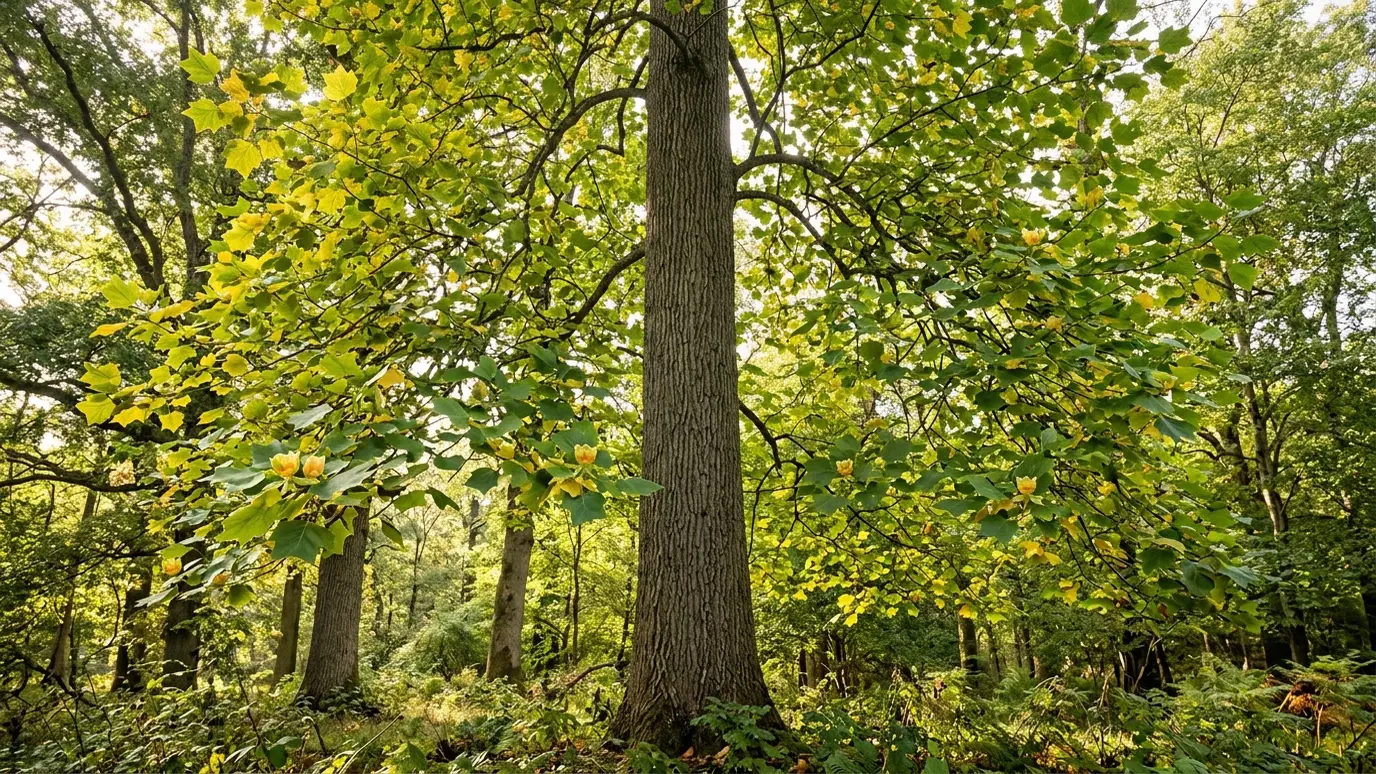
Tennessee's tall, straight tulip poplars reach for the sky and sometimes drop limbs in a hurry.
The tulip poplar is a Tennessee native and one of the tallest trees in the eastern forest. It grows fast, straight and tall, with greenish-yellow tulip-shaped flowers in spring. In a yard, that height is both a feature and a risk.
Tulip poplar wood is soft and the limbs can break, and trunks are prone to decay once wounded. A Certified Arborist will check the structure, remove dead wood and tell you whether the tree is safe where it stands, especially if it is near a house.
Heights over a hundred feet are common.
Limbs can fail in wind and ice.
Tulip flowers and golden fall color.
Cavities develop over time.
Needs attention early.
Often decline in tight spots.
Check tree risk, plan a removal or ballpark the cost.
 Tree Risk CheckerCheck off what you see on the trunk, roots and crown and what is below the tree, and get a plain-language risk level.Try it
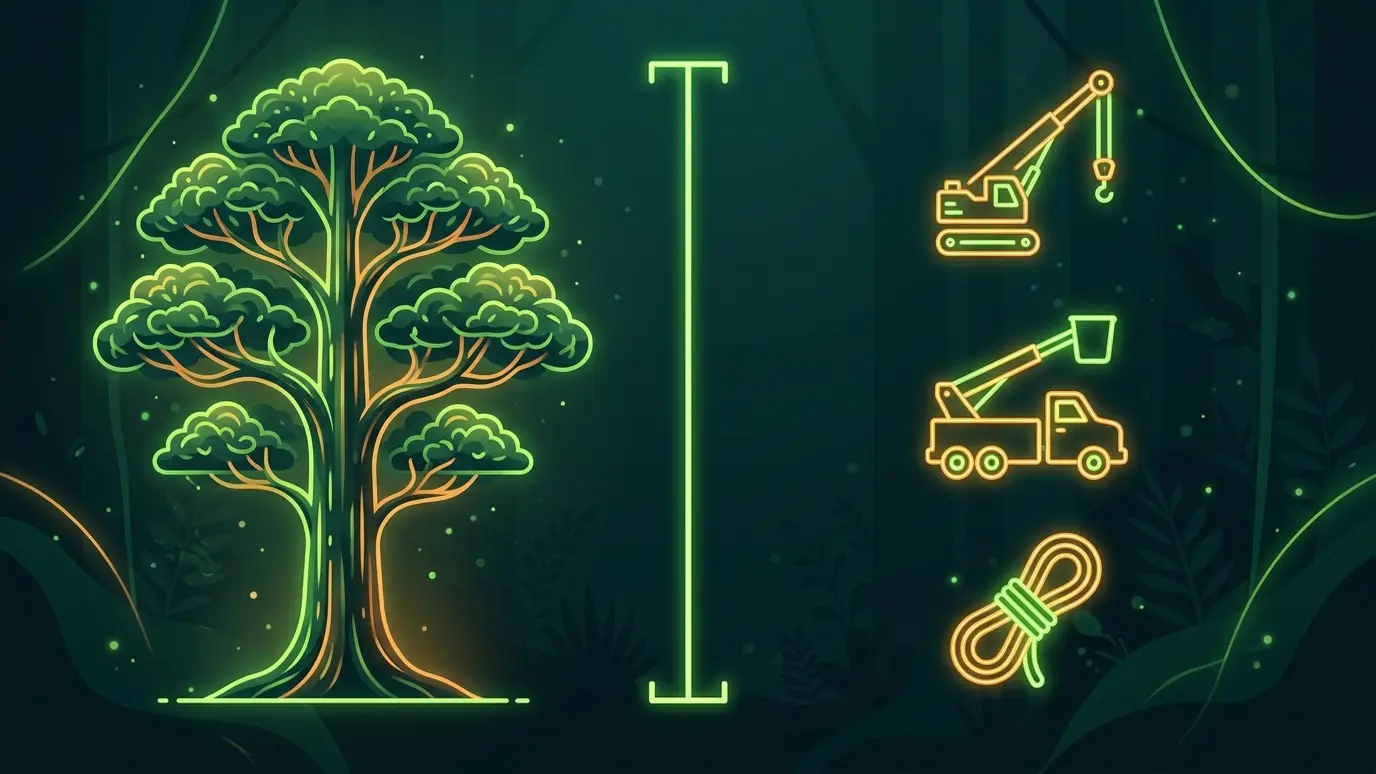 Tree Removal PlannerEnter height, trunk size and access, and see the likely method, equipment, crew and time for a removal.Try it
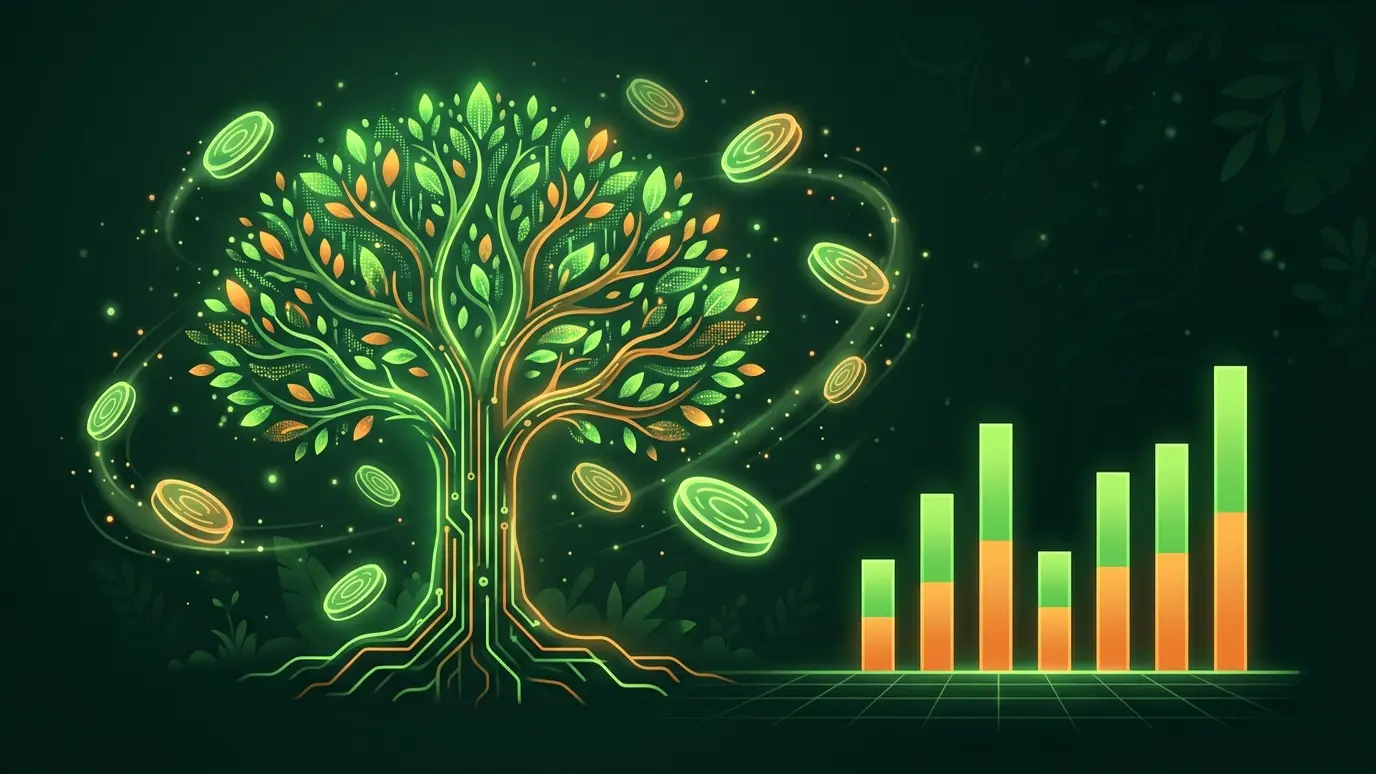 Tree Service Cost EstimatorPick a service, a tree size and a few options and get a ballpark planning range.Try it
They can be near homes because of height and soft wood. We assess each tree.
Yes, with care. We remove dead wood and reduce weak limbs.
When there is significant decay, lean or a tree too close to a house.
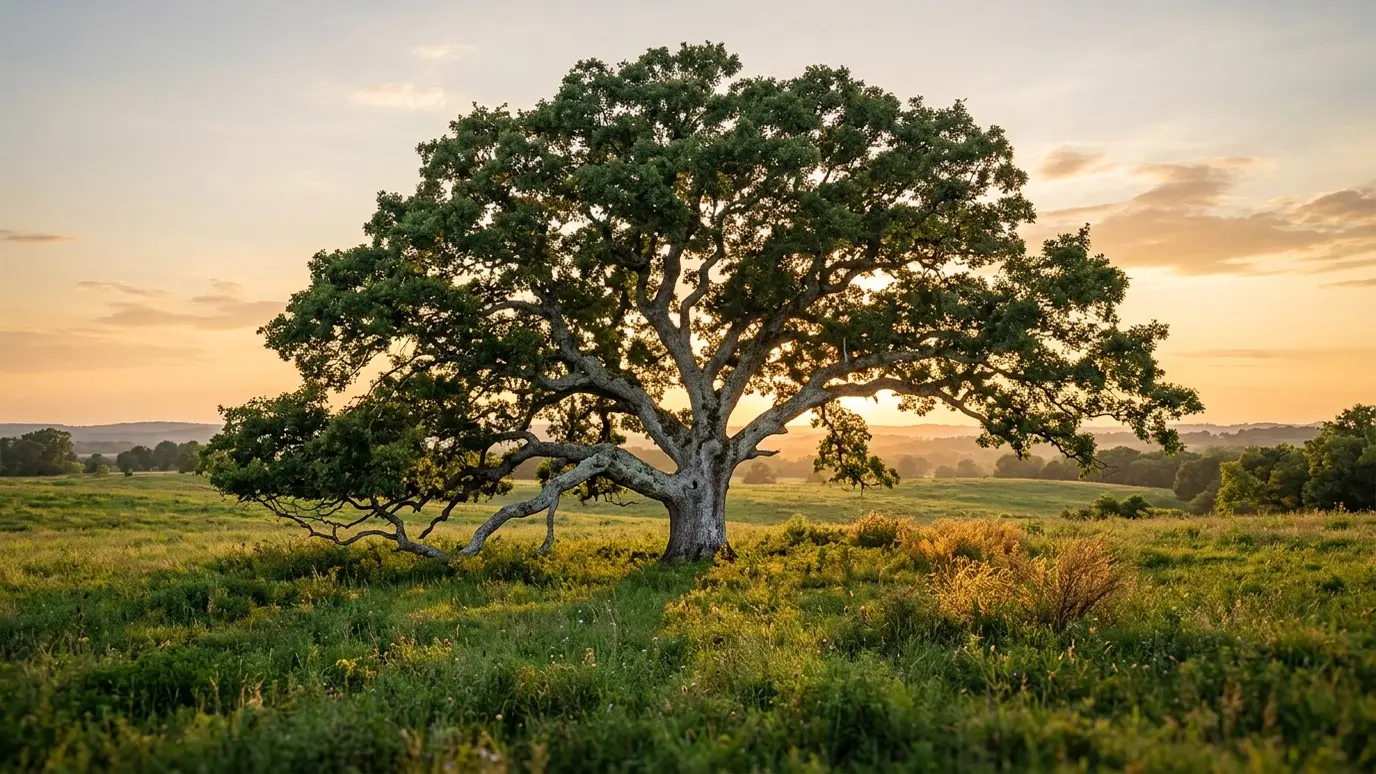 Species guideOaksWhite, red and post oaks are the backbone of Middle Tennessee yards. They live for centuries with the…Learn more
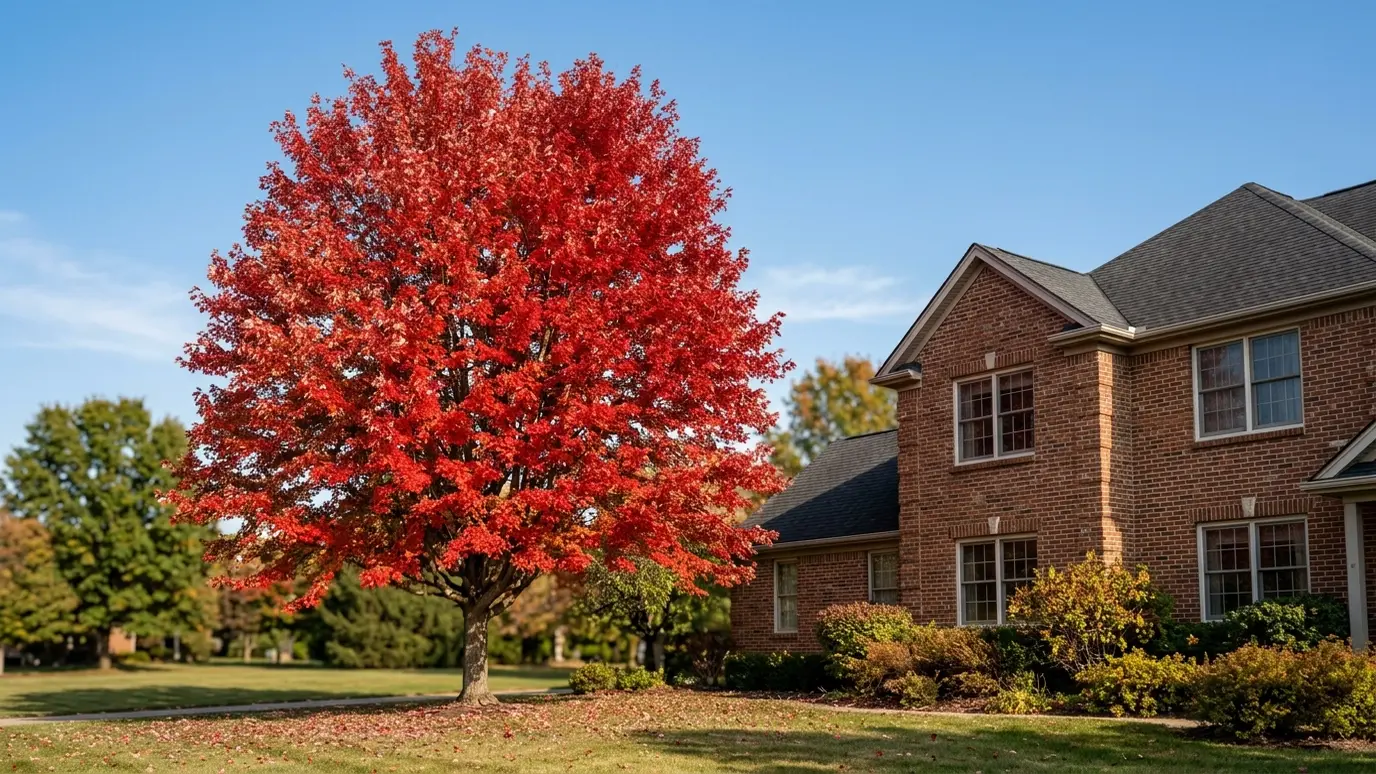 Species guideMaplesRed, sugar and silver maples give great shade and fall color, with their own quirks: weak wood, surface…Learn more
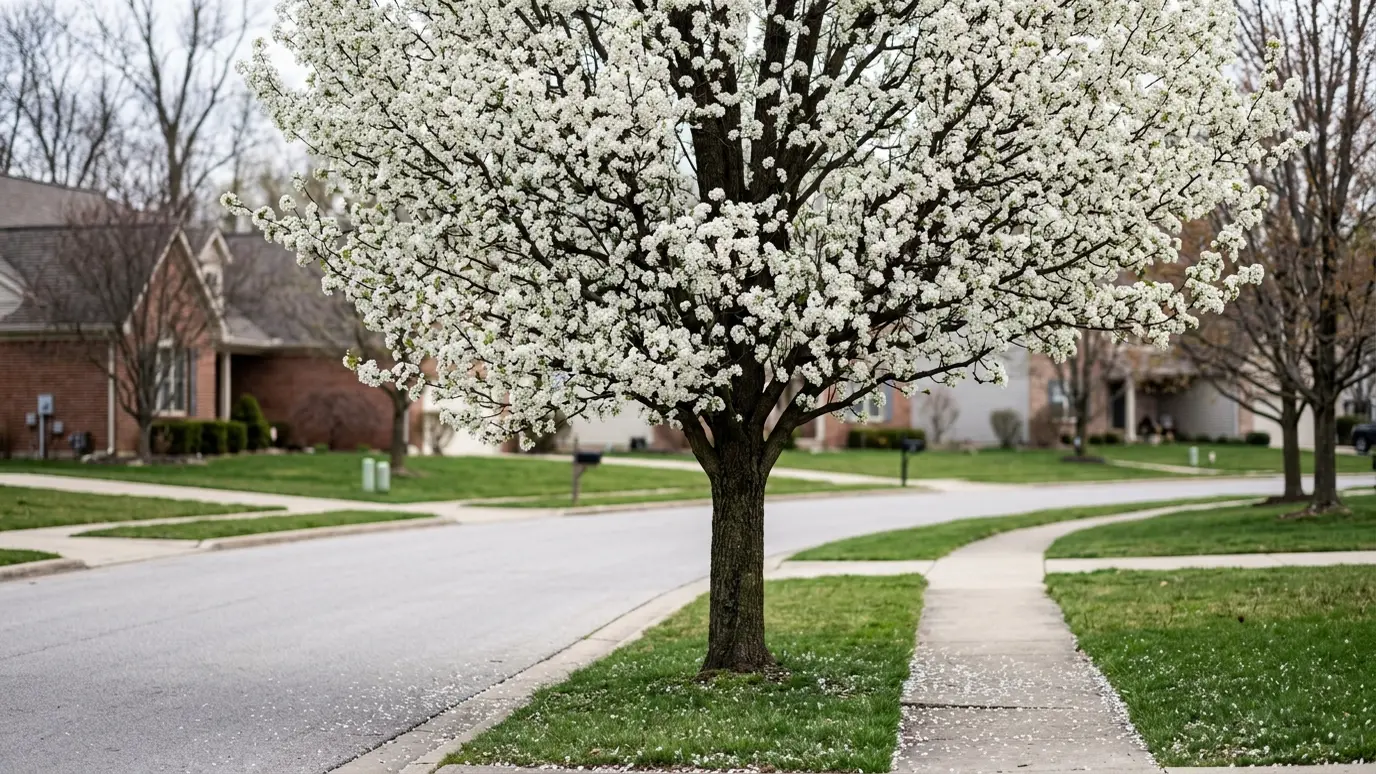 Species guideBradford PearsPretty in spring and notorious for splitting. Callery pears are a common reason for emergency calls.Learn more
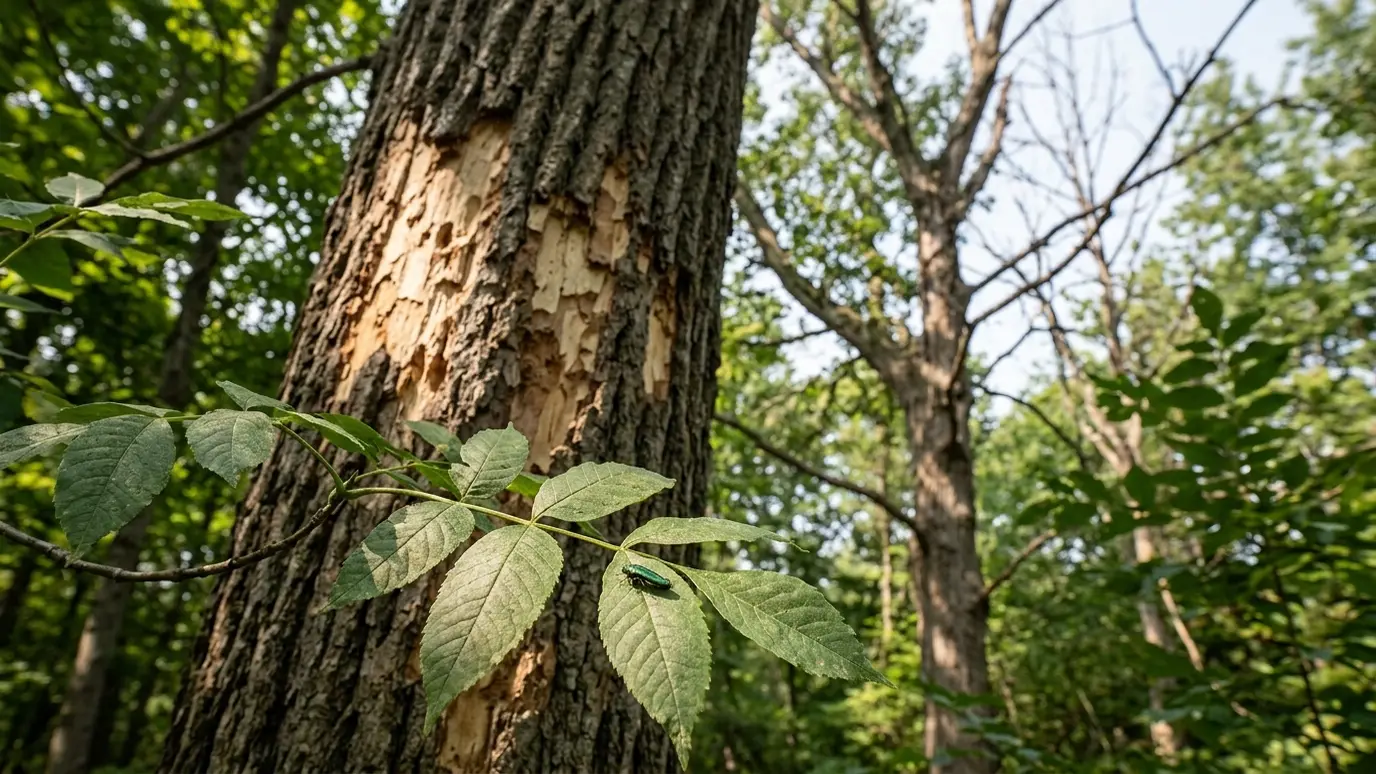 Species guideAsh TreesEmerald ash borer has changed everything for ash trees. Healthy trees can be protected, but time matters.Learn more
Quick scheduling, a crew that handles every cut and every bit of cleanup, and a clear price before we start.