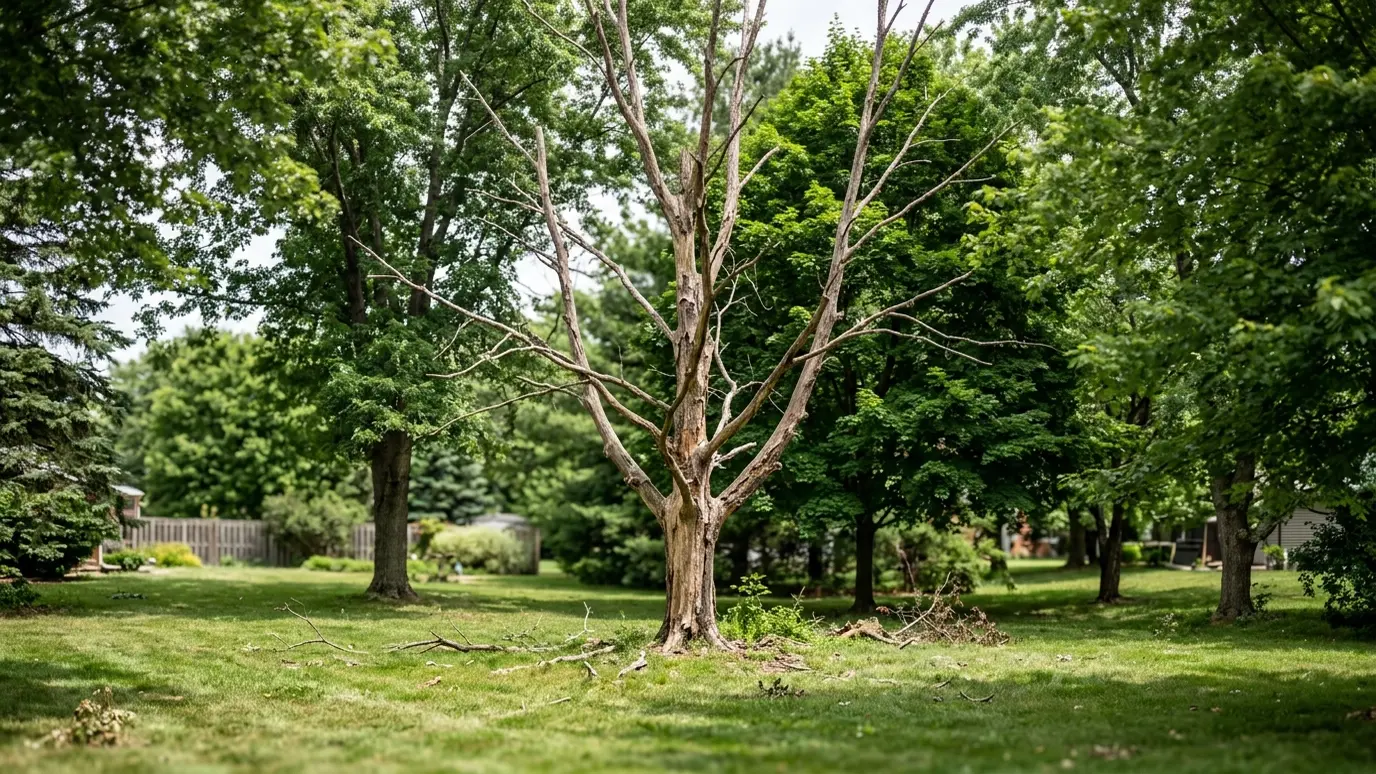
Dead trees get brittle and unpredictable. We take them down before the next storm does it for you.
A dead tree does not stay still. Over time the wood dries, cracks and loses strength, and branches begin to drop. A tree that once held a hammock may be too brittle to climb. Dead trees are riskier to remove than living ones, which is a good reason not to wait.
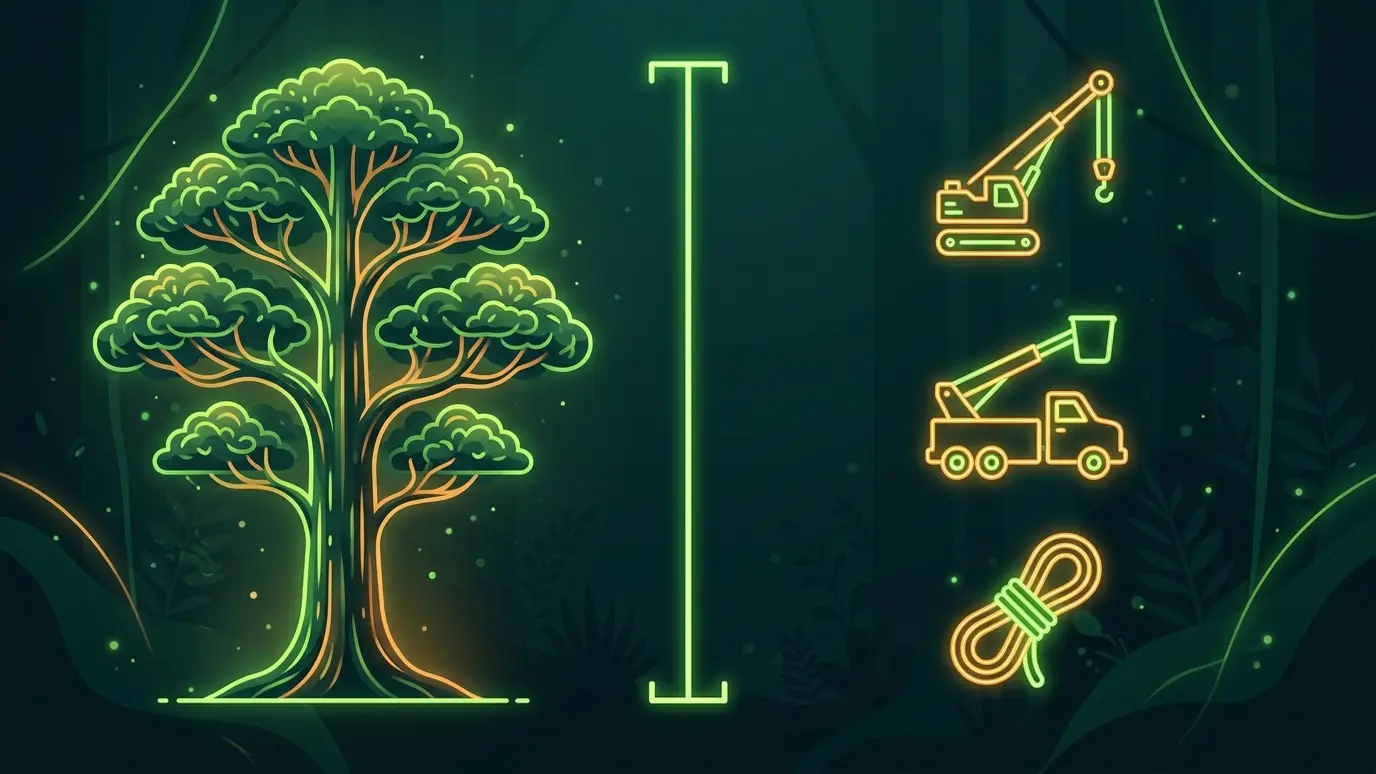
We confirm that the tree is actually dead, since some trees look bare for a season and come back. If it is dead or past saving, a Certified Arborist plans a removal that accounts for brittle wood, hidden decay and insects. We use rigging, a bucket truck or a crane so no one is relying on weak wood for support.
In winter every deciduous tree looks bare. Signs of death include brittle twigs that snap instead of bending, no buds in spring, bark falling away and fungus on the trunk. A scratch test and a look at the tree over a season help.
Dead wood loses strength and fails without warning. Limbs can break in light wind, and the whole tree can fall. Insects and fungi that moved in often keep spreading to nearby trees.
We avoid climbing brittle wood when possible. A bucket truck lets us cut from a stable platform. A crane can hold the tree while we cut. Pieces are lowered rather than dropped, since dead wood can shatter.
Dead trees are easier and safer to remove soon after they die, while the wood is still sound. The longer they stand, the more brittle and decayed they become. Winter is a good time because the structure is visible and the ground is firm.
We check that the tree is actually dead.
A Certified Arborist plans the removal.
Methods chosen to avoid weak climbing points.
A stable platform for risky wood.
Often within days.
Debris hauled and area raked.
Every topic has its own page with what to expect and how an arborist helps.
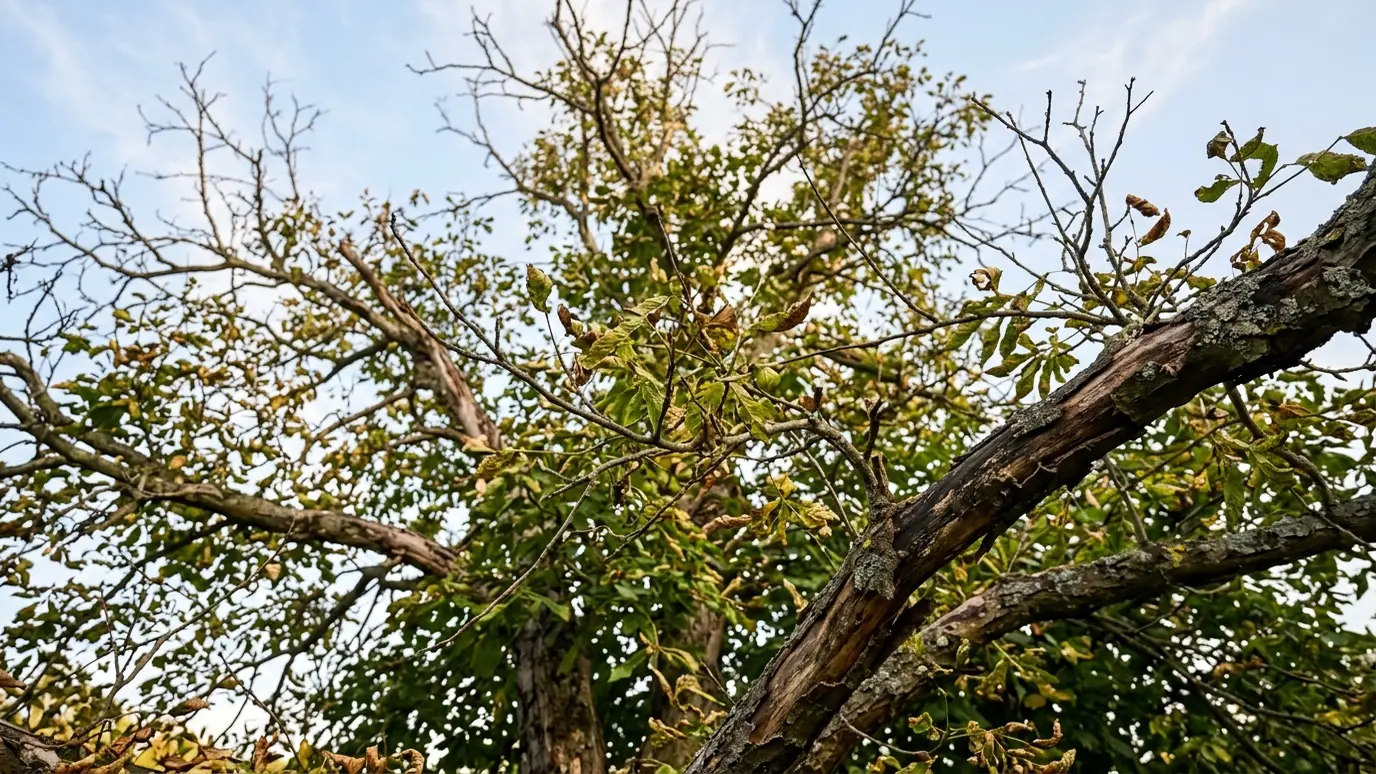 Common situationDeclining TreesThinning leaves, dying branches and odd growth are signals. Catch them early and many trees can recover.Learn more
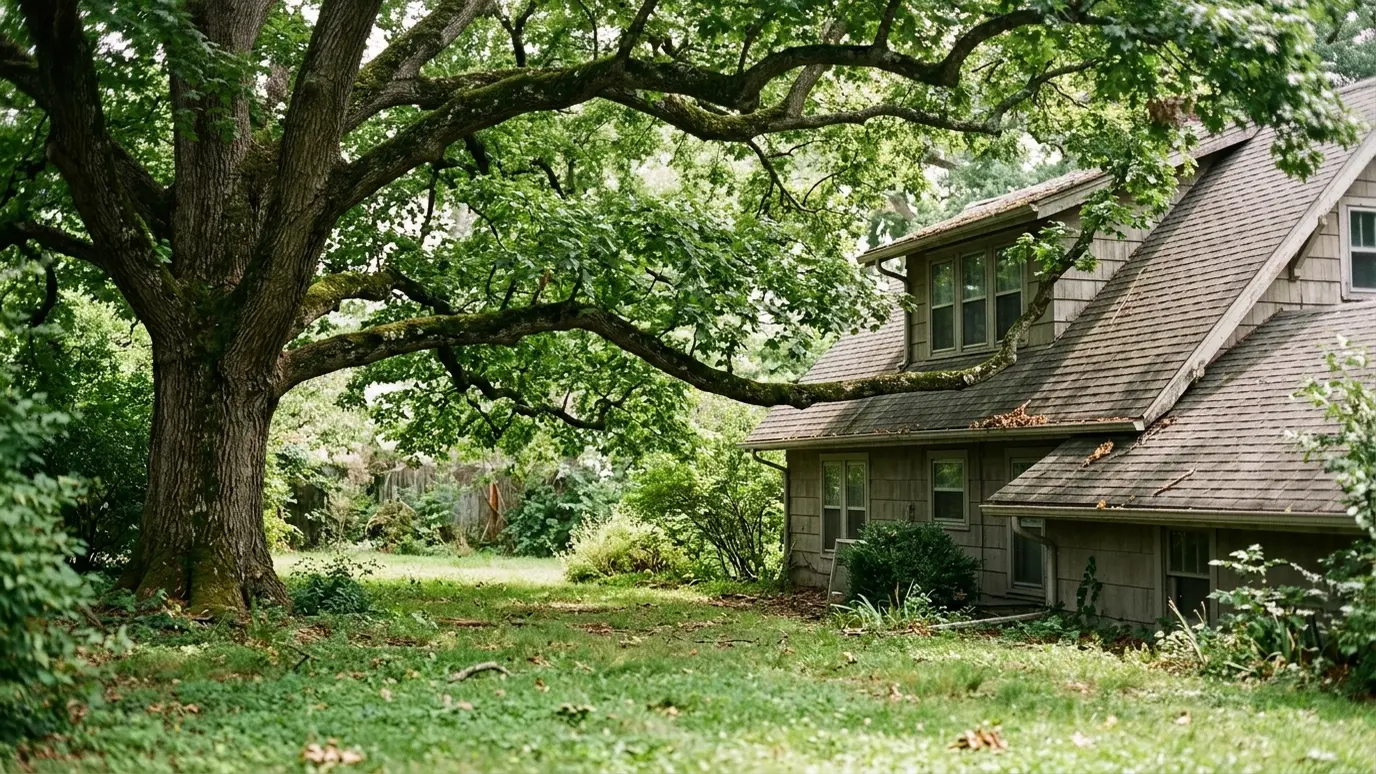 Common situationTrees Near the HouseBig trees beside a home bring shade and value, and risk. Here is how to tell whether yours…Learn more
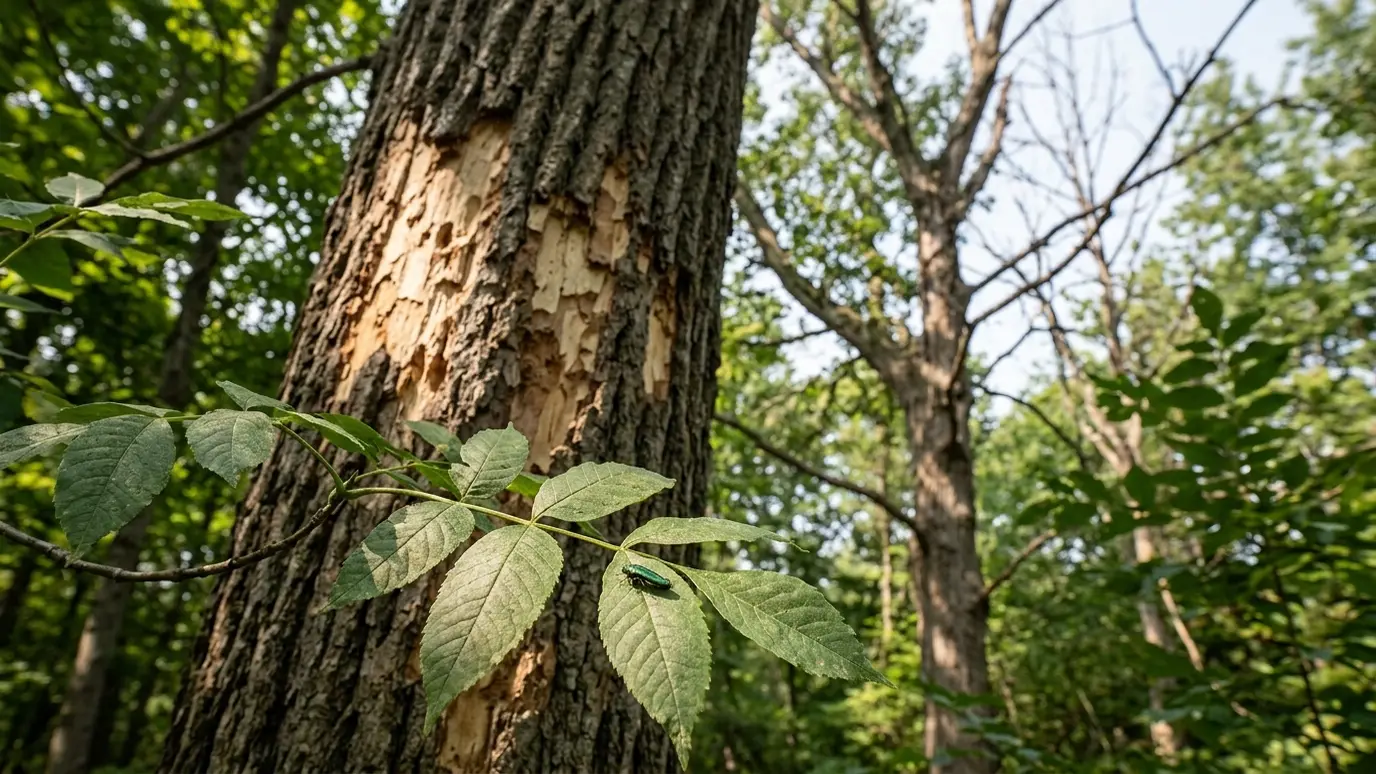 Species guideAsh TreesEmerald ash borer has changed everything for ash trees. Healthy trees can be protected, but time matters.Learn more
Check off what you see on the trunk, roots and crown and what is below the tree, and get a plain-language risk level.
Tell us what you see and what worries you. We give you safety tips right away.
A Certified Arborist looks at the tree, the site and the best method.
You get a written scope and price before any work begins.
Our crew rigs, cuts and lowers with your property protected.
We chip, haul, rake and walk the site with you.
We explain what the tree or property needs next and when to call us.
Look for no leaves in the growing season, brittle twigs, peeling bark and fungus. An arborist can confirm quickly.
Sometimes, if the cause is found early. We look at roots, soil, pests and disease and tell you honestly.
If it is near a house, a driveway or a walkway, yes. Dead trees away from targets can wait but should be watched.
Some pests do. We look at nearby trees and advise on monitoring or treatment.
Yes, if it is dry and free of pests. Ask us if your tree died from a pest like emerald ash borer.
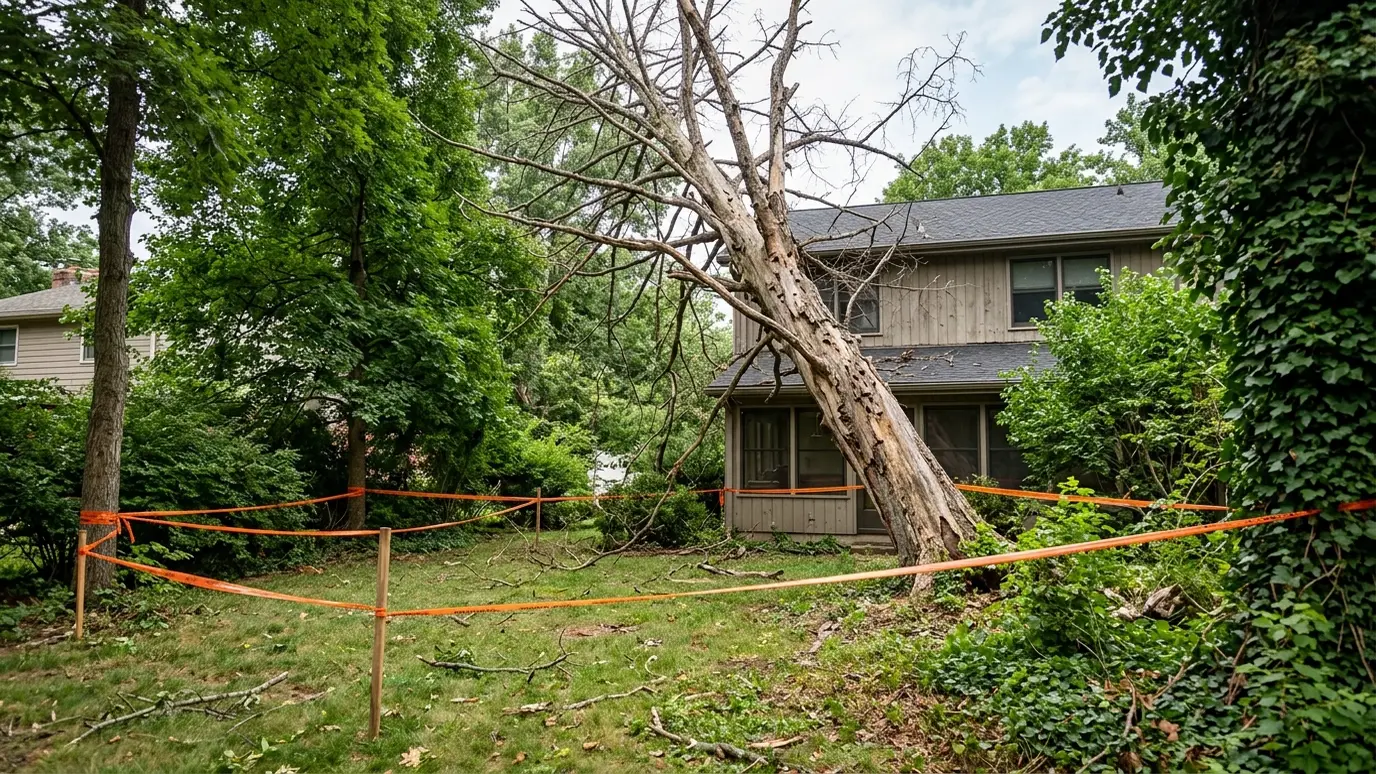 Hazardous Tree RemovalTrees that lean over homes, split at the trunk or hold dead wood overhead, assessed honestly and removed…Explore
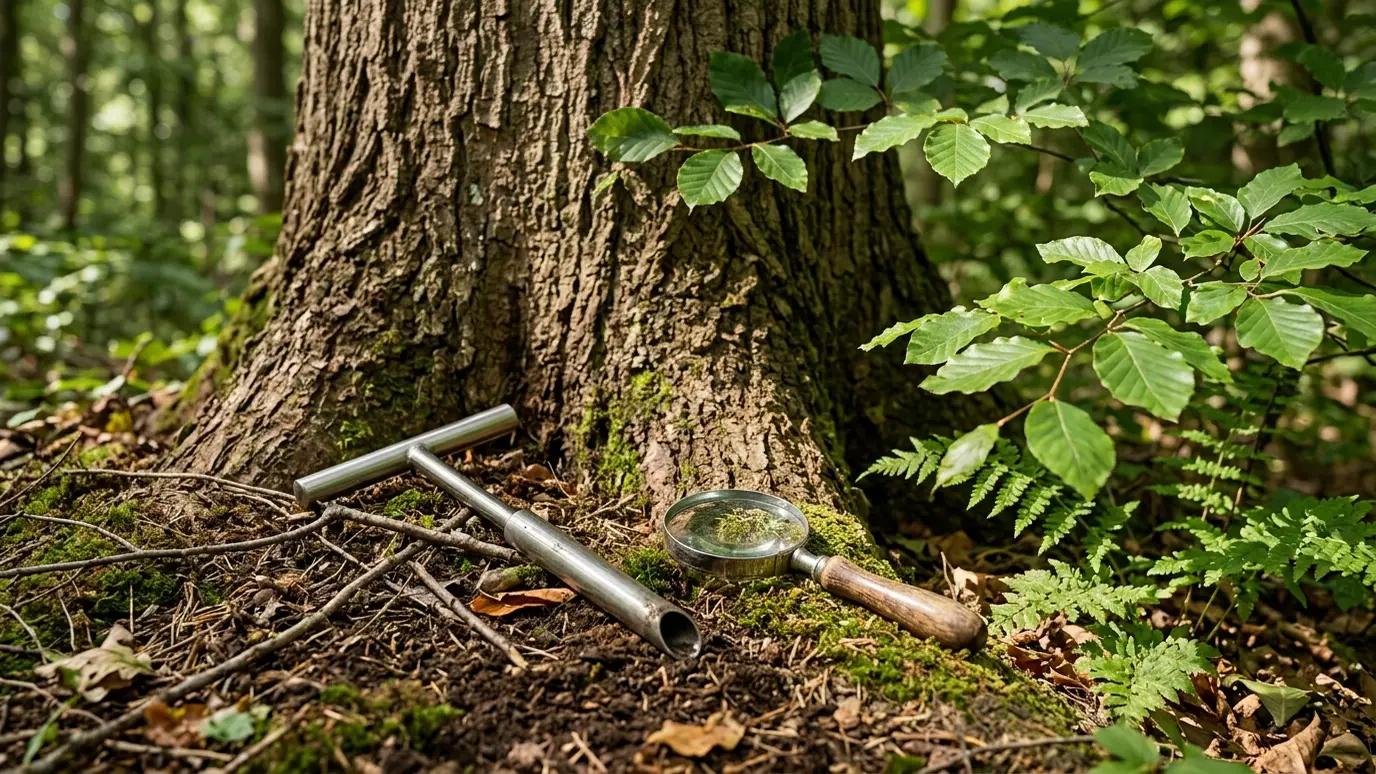 Tree Health AssessmentThin crown, odd leaf color, dying branches or mushrooms on the trunk: an arborist figures out what is…Explore
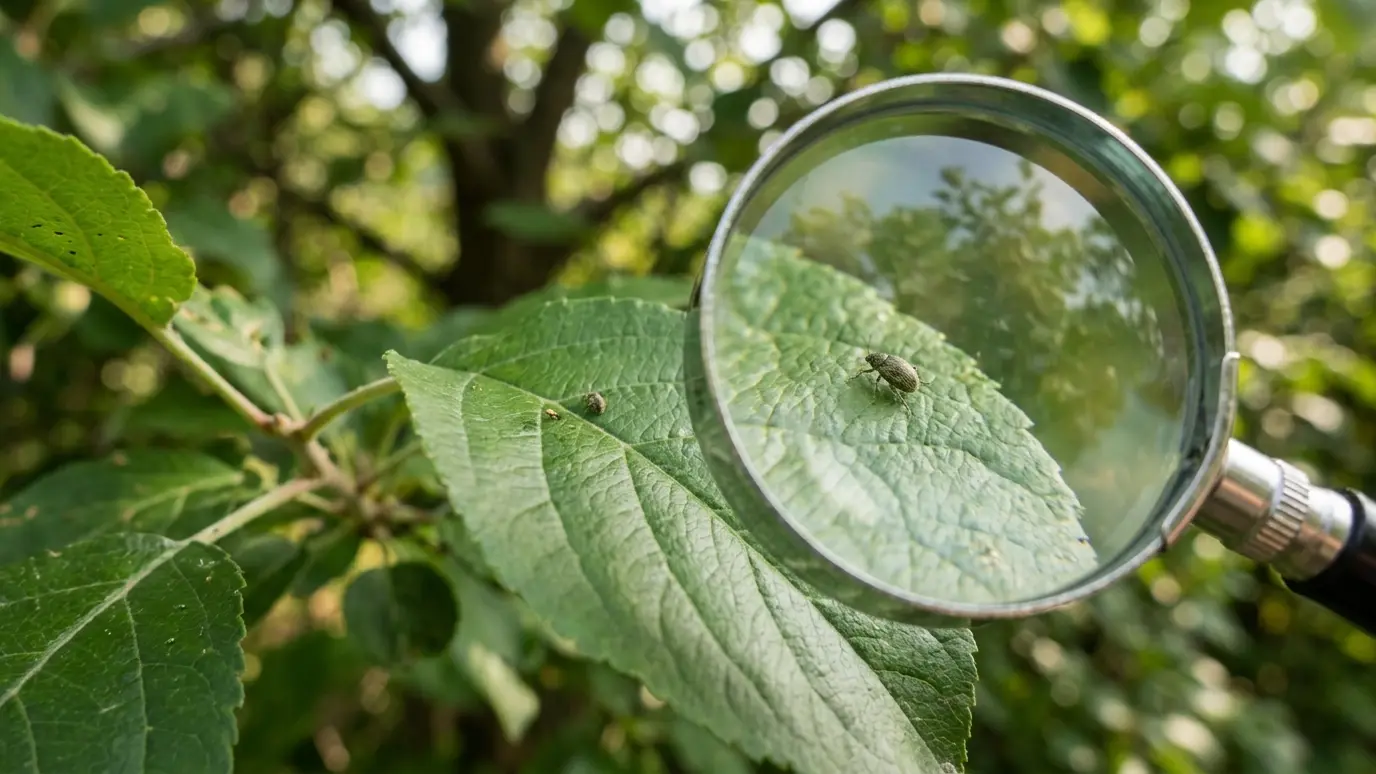 Insect and Pest ManagementEmerald ash borer, bagworms, scale, borers and other pests identified and managed with the least treatment that works.Explore
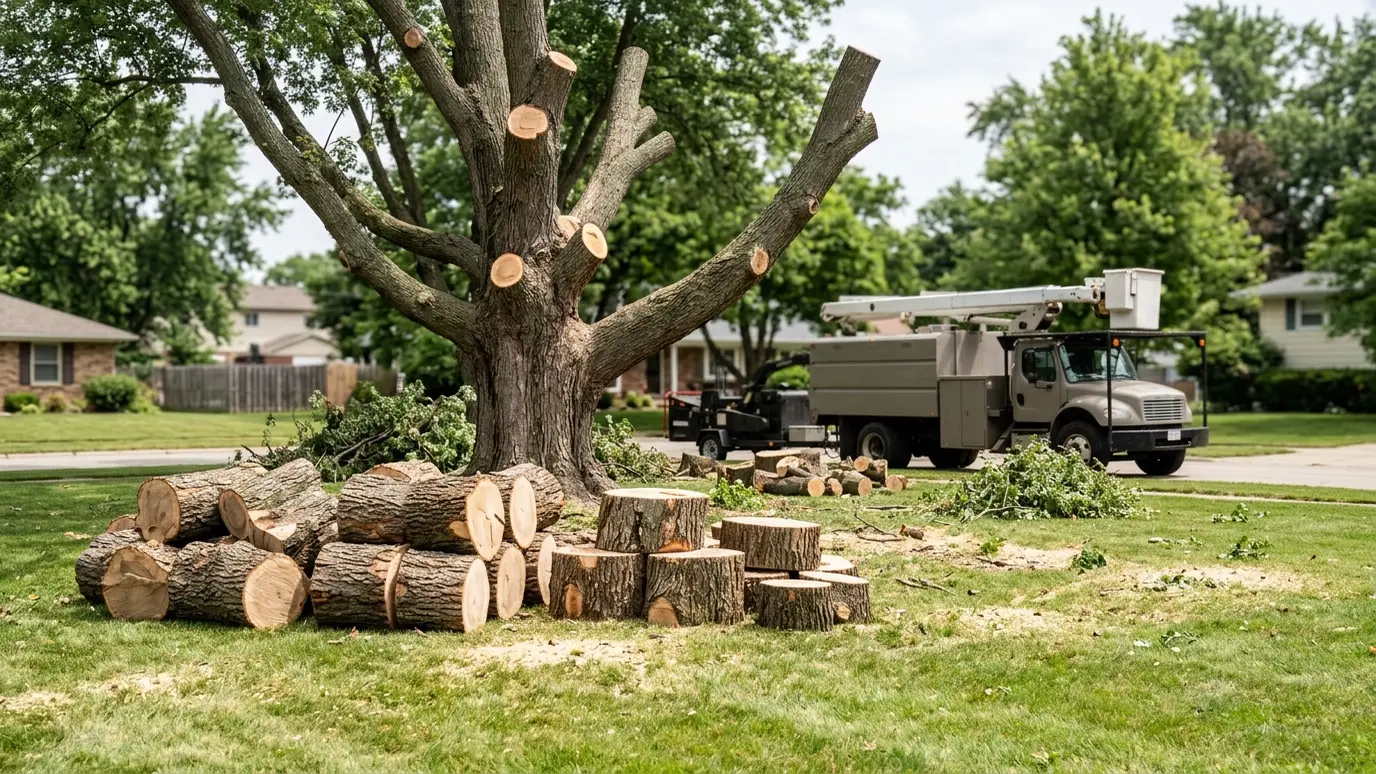 Tree RemovalSafe, planned removal of trees of every size, from a single backyard maple to a stand of oaks…Explore
Tell us about your tree and we will call you back quickly.
Or call (615) 357-7797 to talk now.