Start at the base
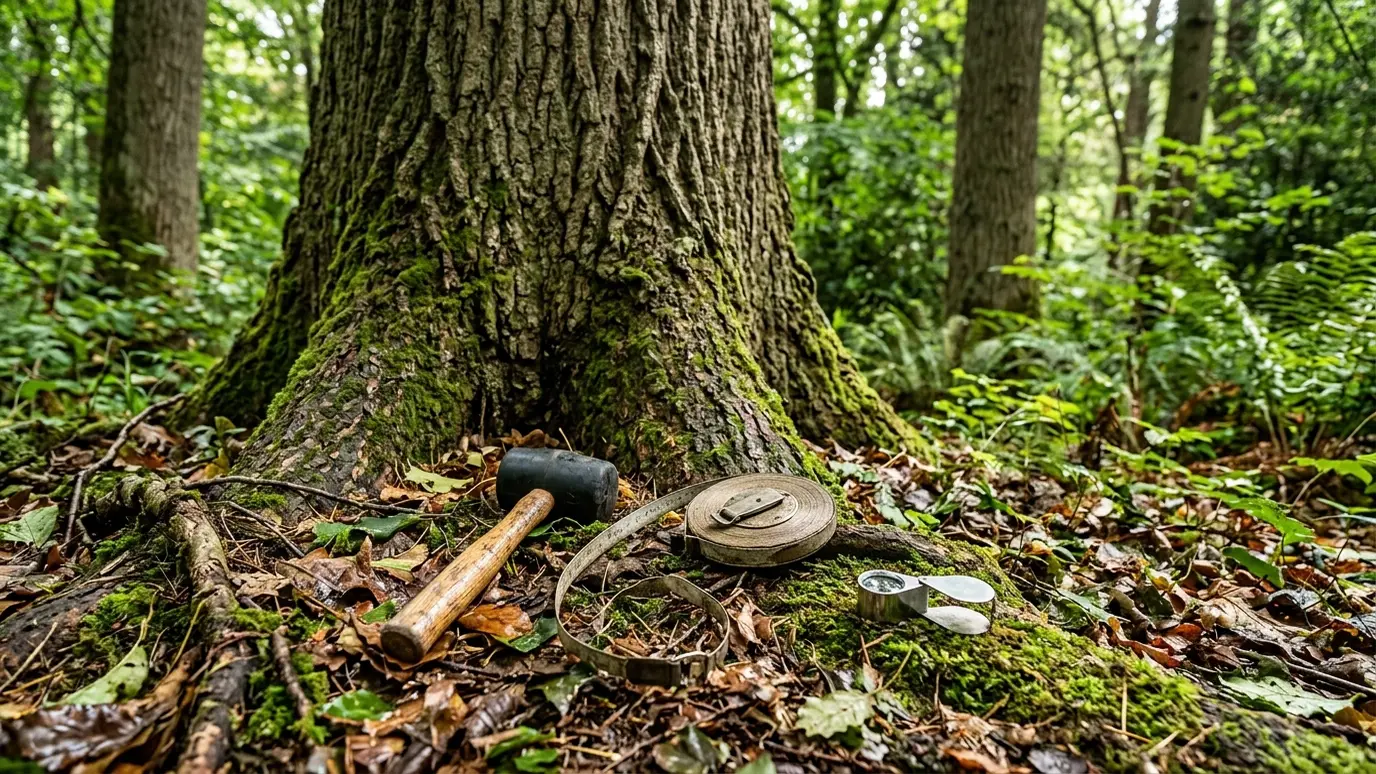
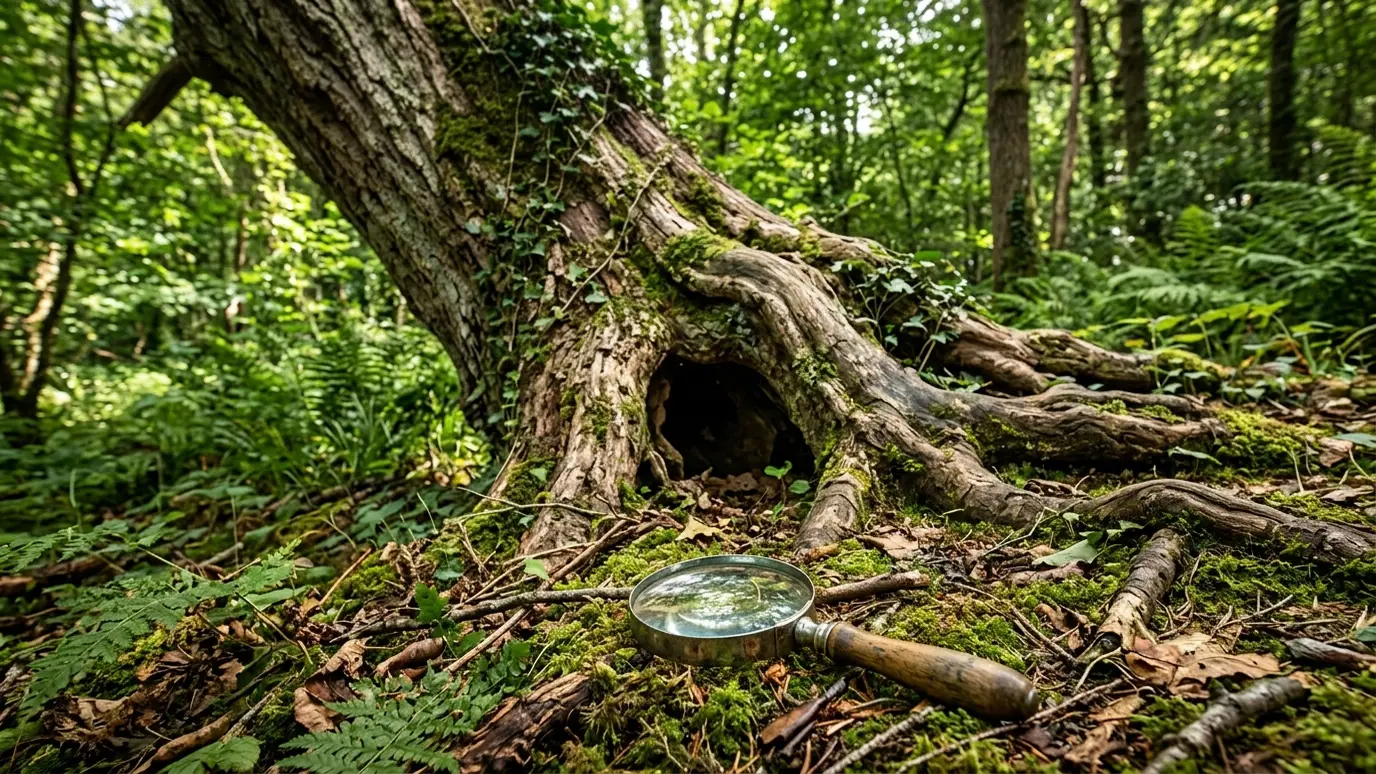
Look at the root flare. Are there mushrooms, soil heaving, exposed roots, standing water or cracks in the soil? Has the tree started to lean? Take a photo next to a fixed object to track changes.
Look up the trunk
Check for cracks, wounds, cavities, loose bark, oozing, large knots and where the trunk splits. A tight V-shaped union is weaker than a U-shaped one.
Scan the crown
Look for dead branches, dense dead leaves, thin areas, hanging limbs and branches that rub. Winter is a good time since there are no leaves.
Think about targets
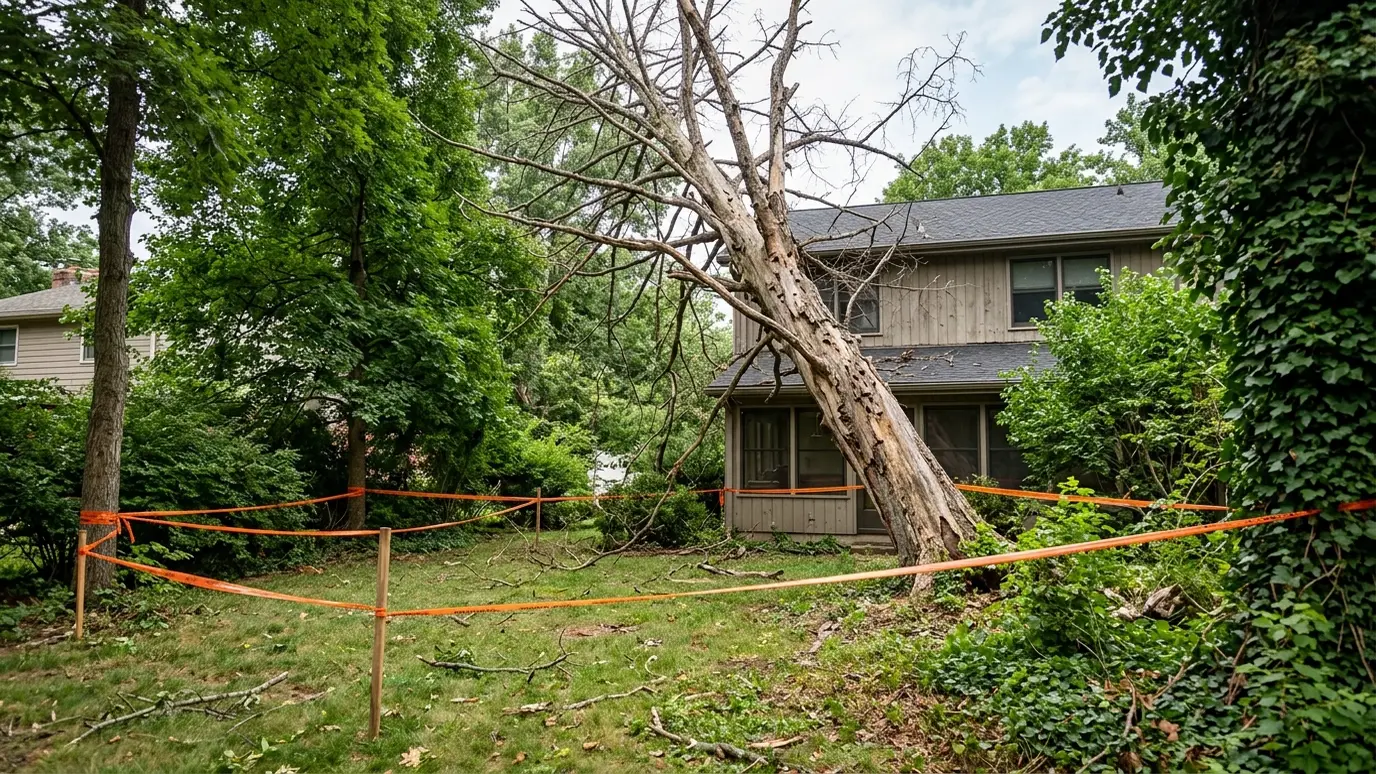
What is under the tree? A house, a play area, a car or a driveway raises the stakes. A tree in an empty corner is a different problem.
Think about history
Has the tree been hit by lightning, damaged in a storm or affected by construction? Have you seen changes in the last year?
When to call
If you see any of these signs and there is a target below, call an arborist. A quick inspection costs far less than damage or injury.
Look at the base, the trunk and the crown, then think about what the tree could hit.