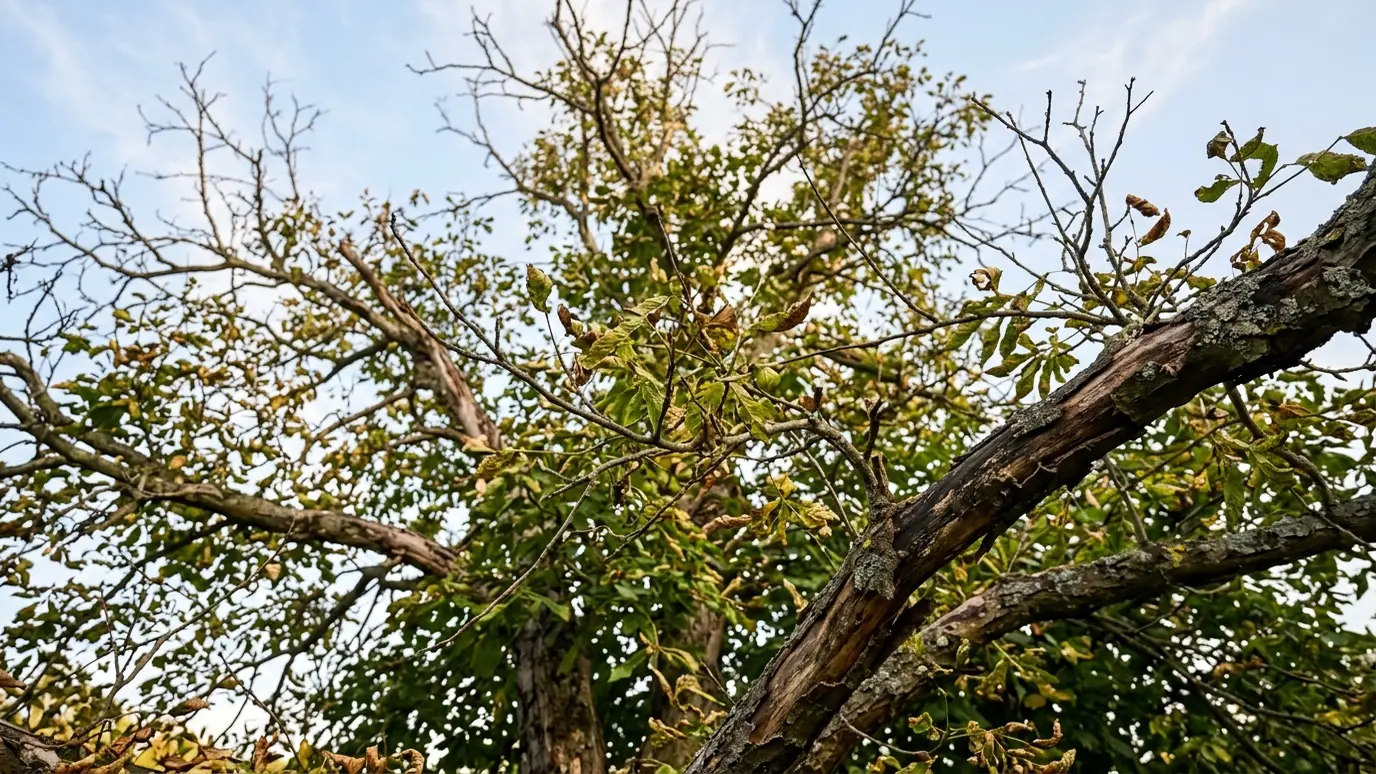
Thinning leaves, dying branches and odd growth are signals. Catch them early and many trees can recover.
A tree in decline sends signals: a thinner crown, early fall color, small or off-color leaves, dead tips, peeling bark or mushrooms near the base. The cause may be a pest, a disease, drought, root damage or something that changed in the yard. The sooner it is found, the better the odds.
A Certified Arborist looks at the whole system, from soil and roots to the crown, and works out what is wrong. Some trees only need better water and mulch. Others need treatment. A few cannot be saved, and we tell you that honestly so you can plan.
Fewer leaves than a few years ago.
Dead tips and limbs spreading inward.
Mushrooms, holes, sawdust and sticky leaves.
Compaction, digging and drought.
Early care often works.
Problems advance over seasons.
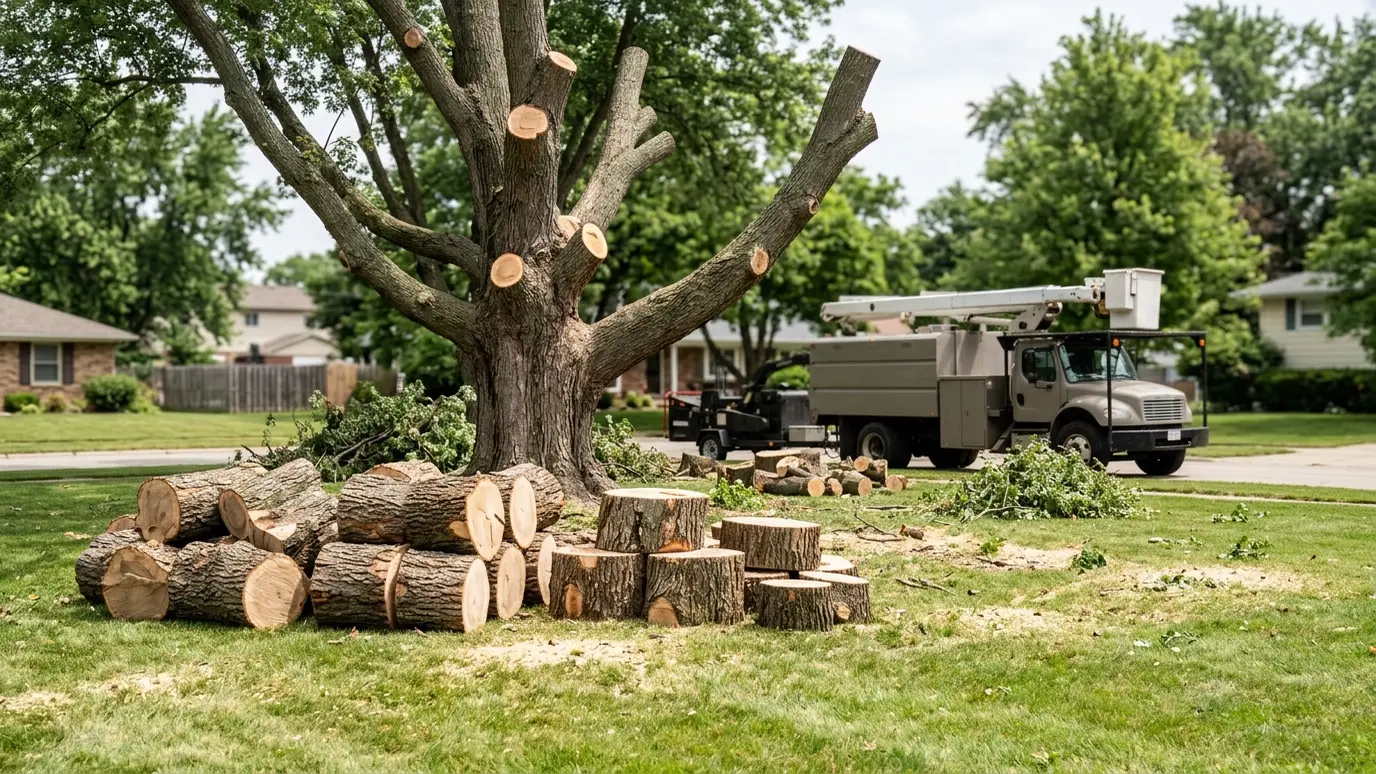 Tree RemovalSafe, planned removal of trees of every size, from a single backyard maple to a stand of oaks…Explore
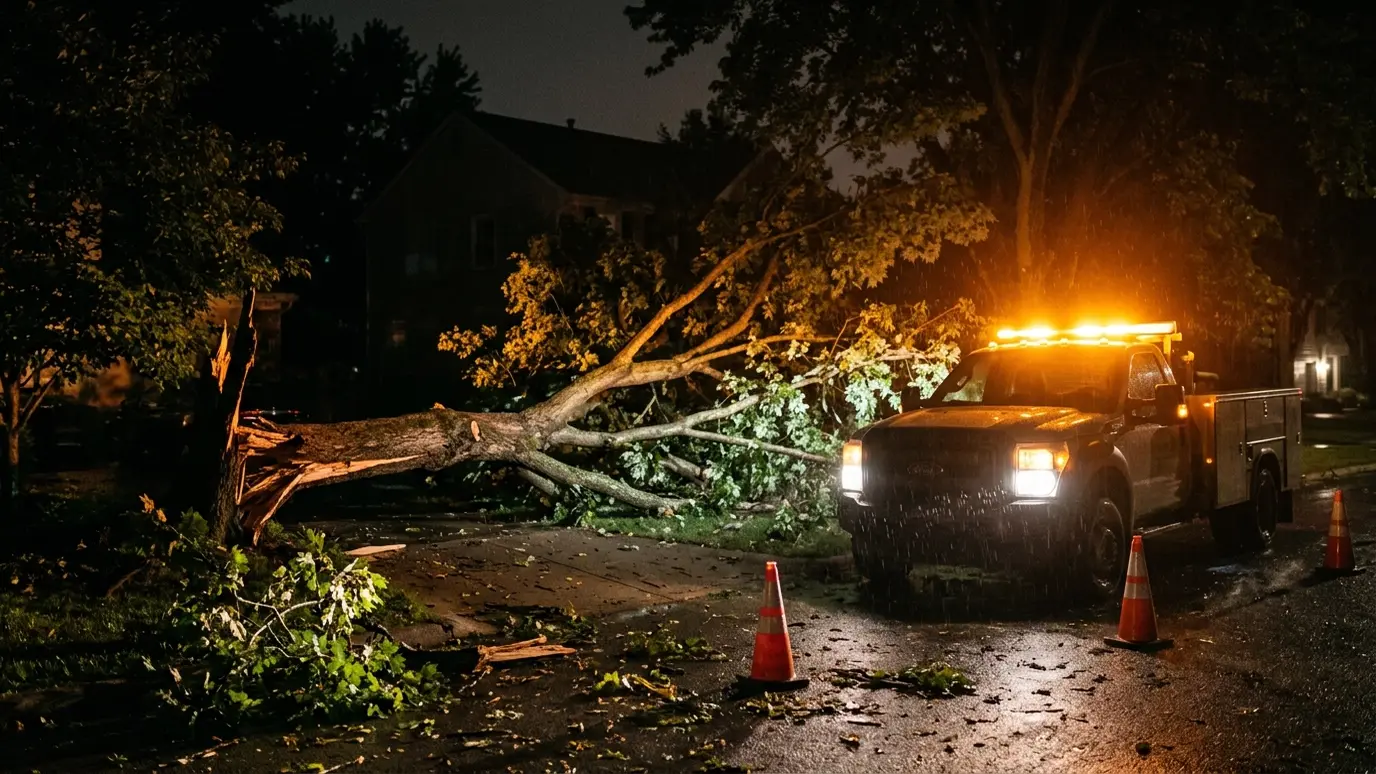 Emergency Tree ServiceA tree on the house, across the driveway or hanging in a power line: call us and we…Explore
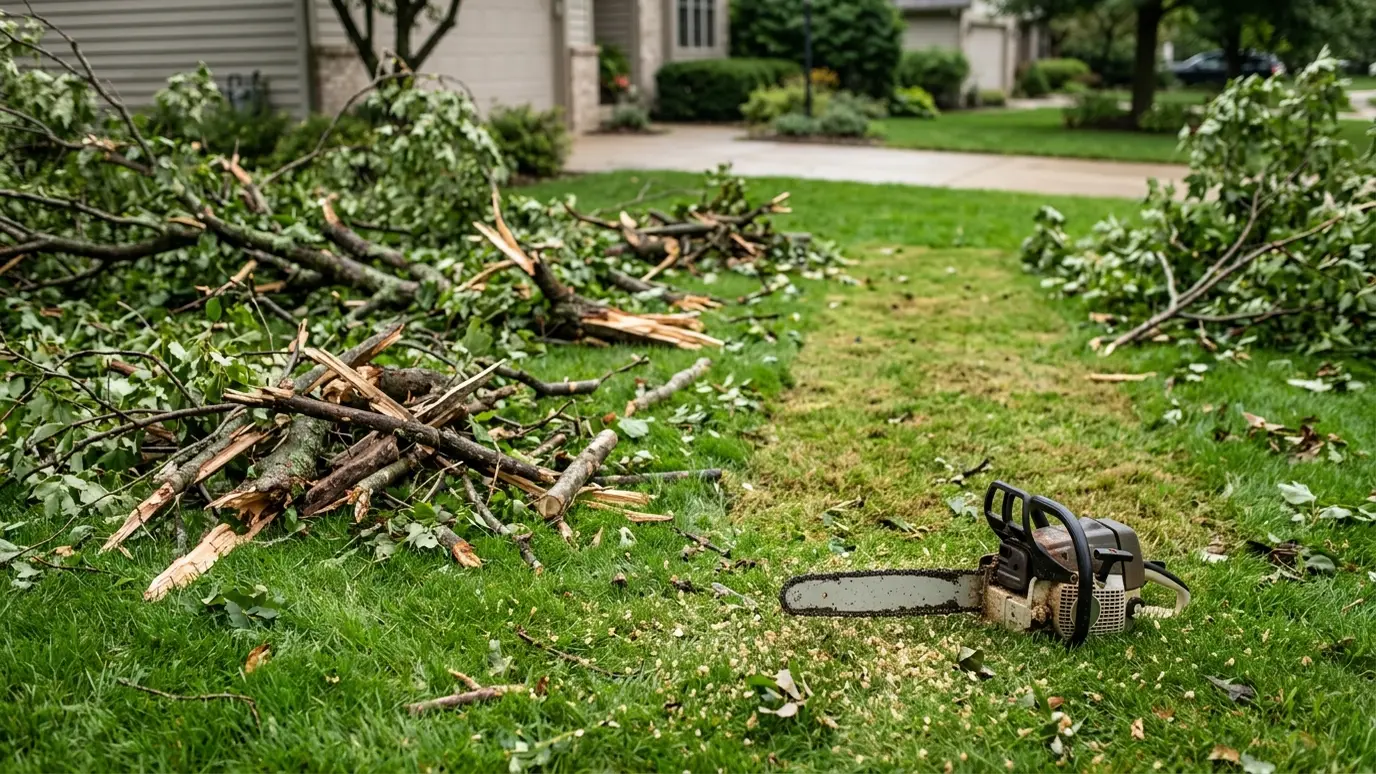 Storm Damage CleanupAfter wind, ice or a tornado, we clear fallen limbs and broken trees, sort out what is dangerous…Explore
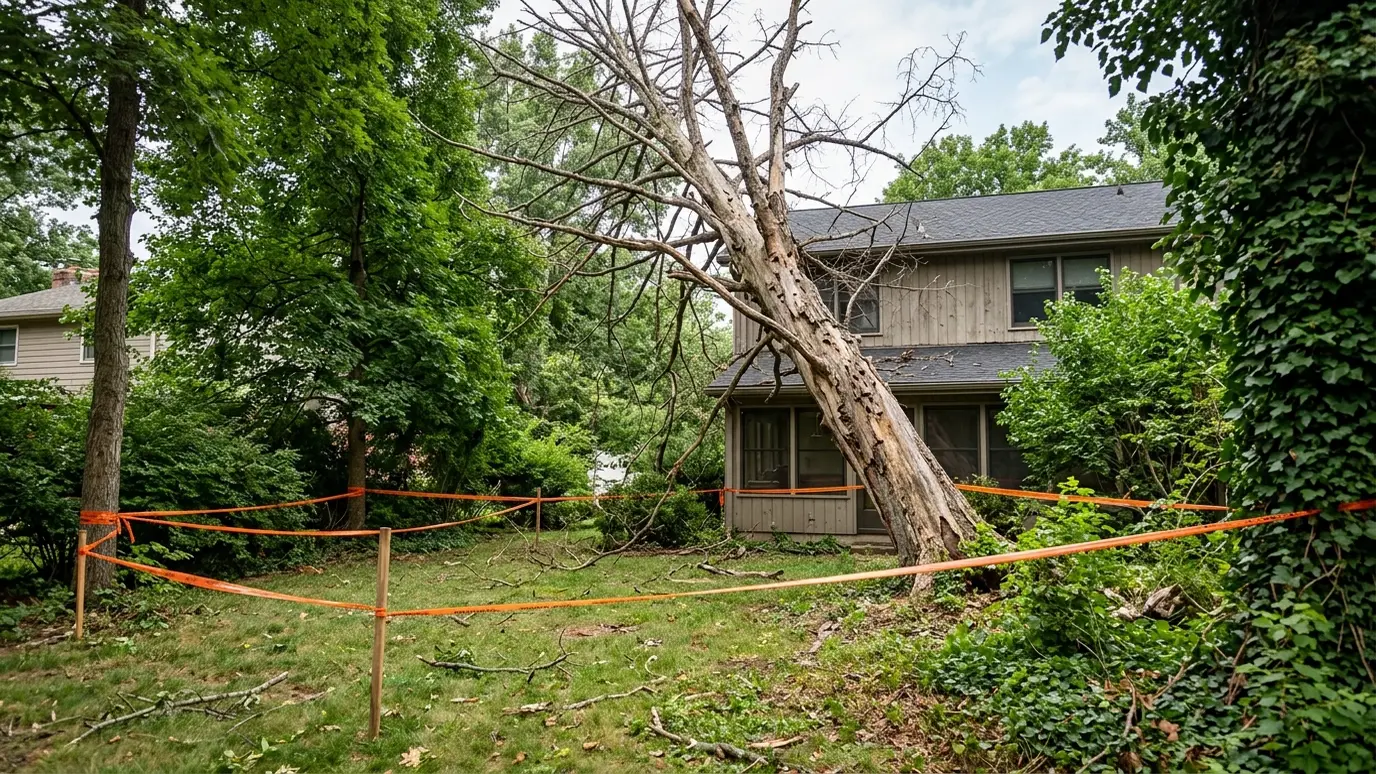 Hazardous Tree RemovalTrees that lean over homes, split at the trunk or hold dead wood overhead, assessed honestly and removed…Explore
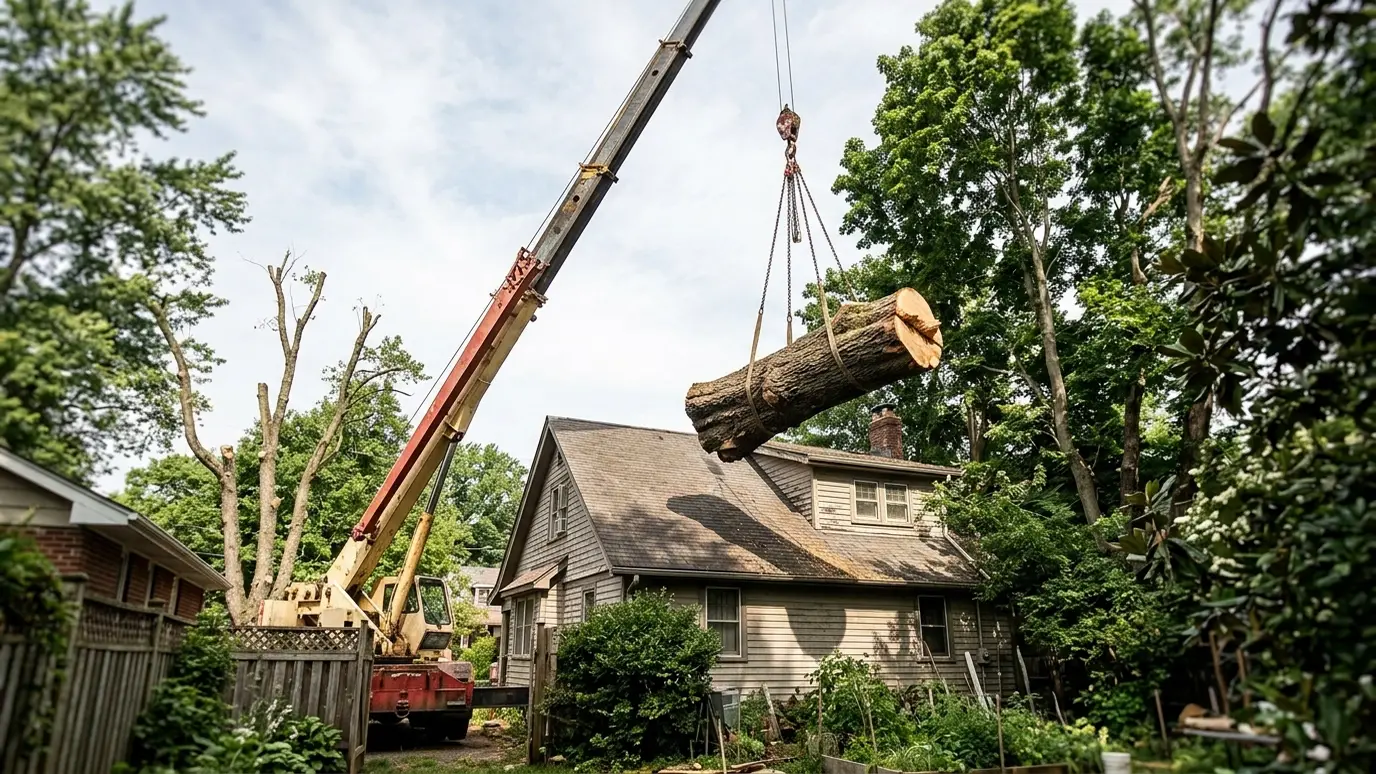 Crane-Assisted RemovalWhen a tree is too large, too close to a house or too unstable to climb, a crane…Explore
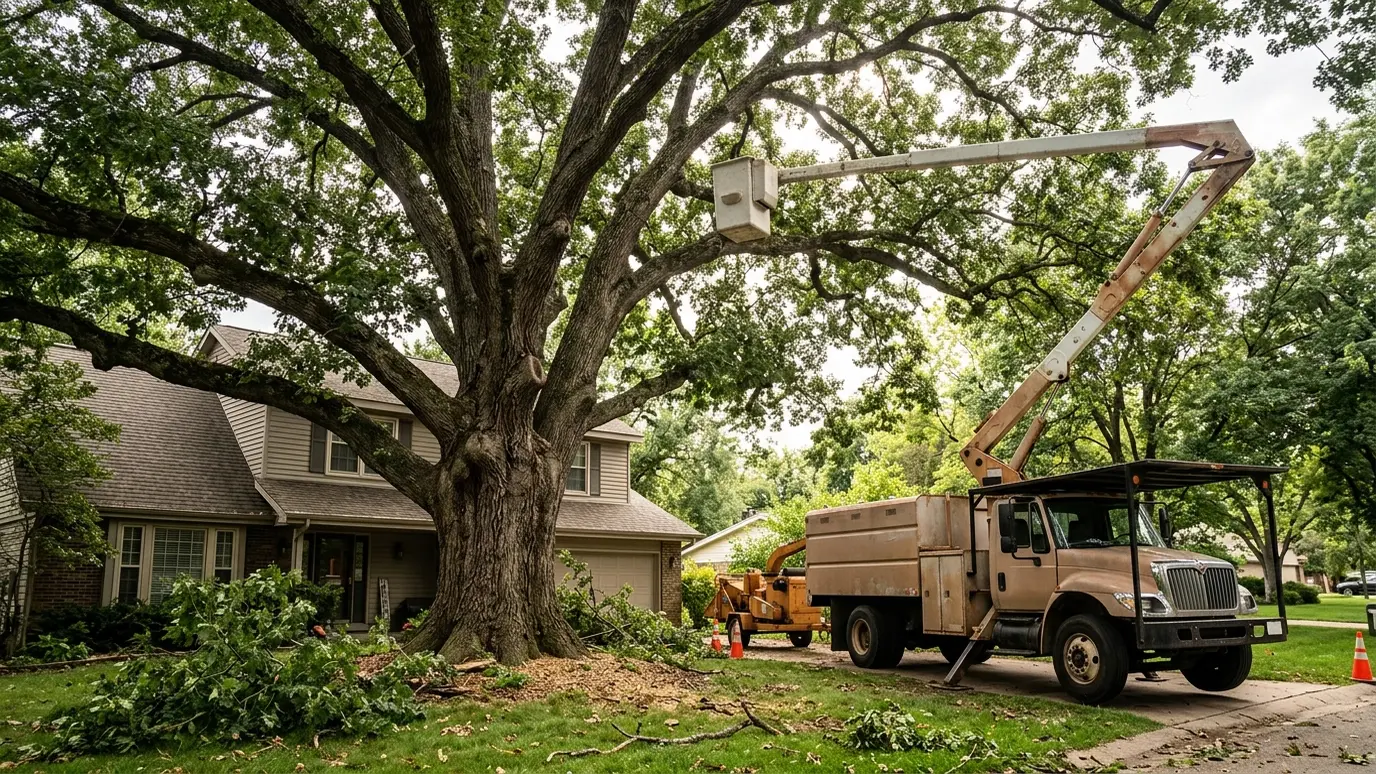 Large Tree RemovalBig oaks, maples and poplars removed in organized sections by a crew that has the gear and the…Explore
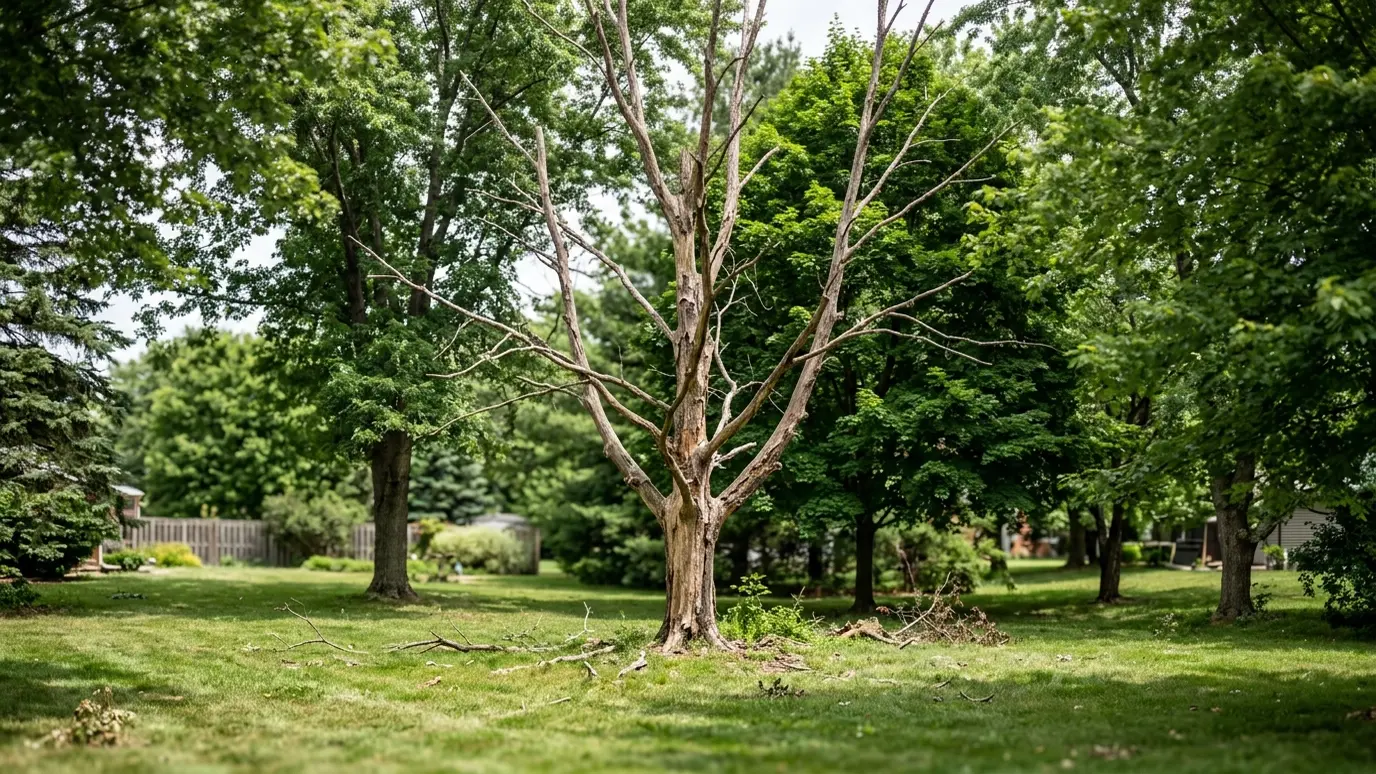 Dead Tree RemovalDead trees get brittle and unpredictable. We take them down before the next storm does it for you.Explore
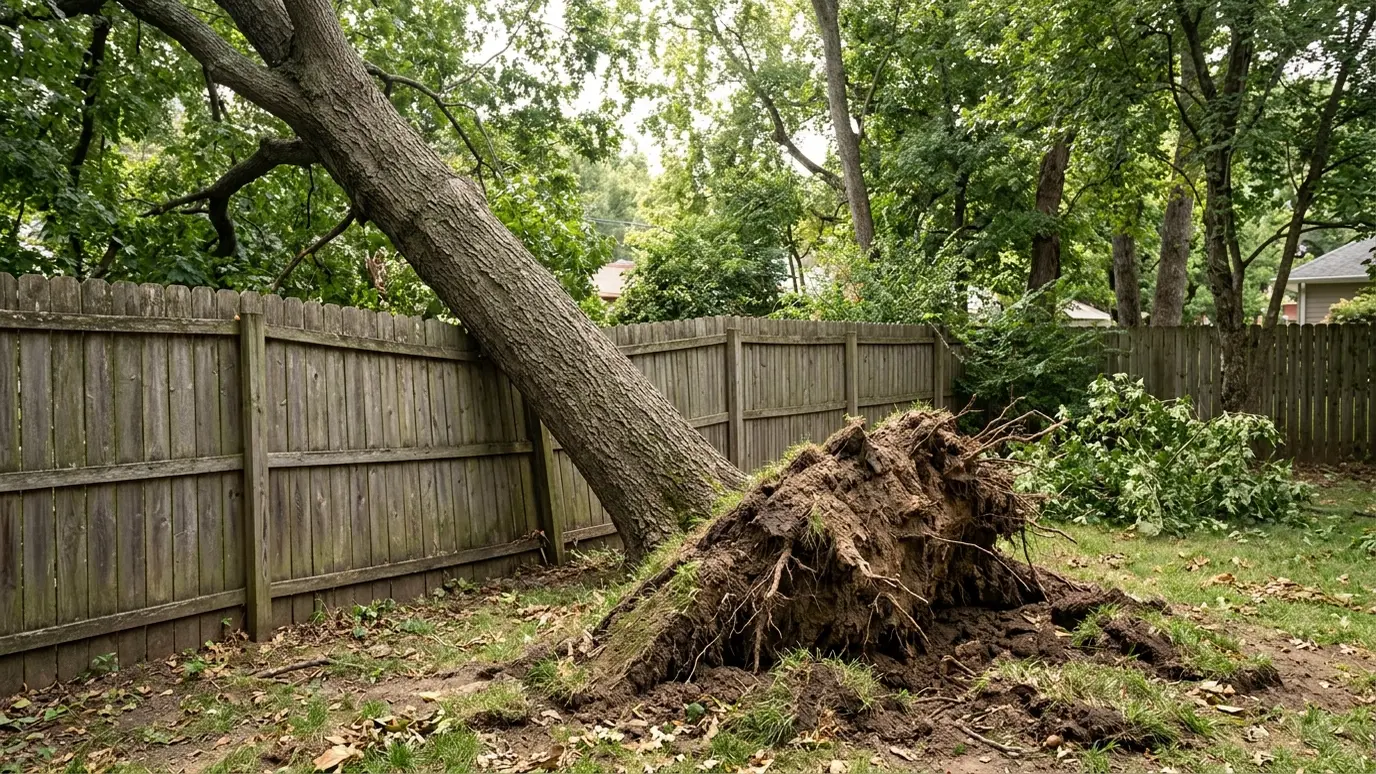 Leaning Tree RemovalA tree that has started to lean toward a house is a tree to take seriously. We assess…Explore
Check tree risk, plan a removal or ballpark the cost.
 Tree Risk CheckerCheck off what you see on the trunk, roots and crown and what is below the tree, and get a plain-language risk level.Try it
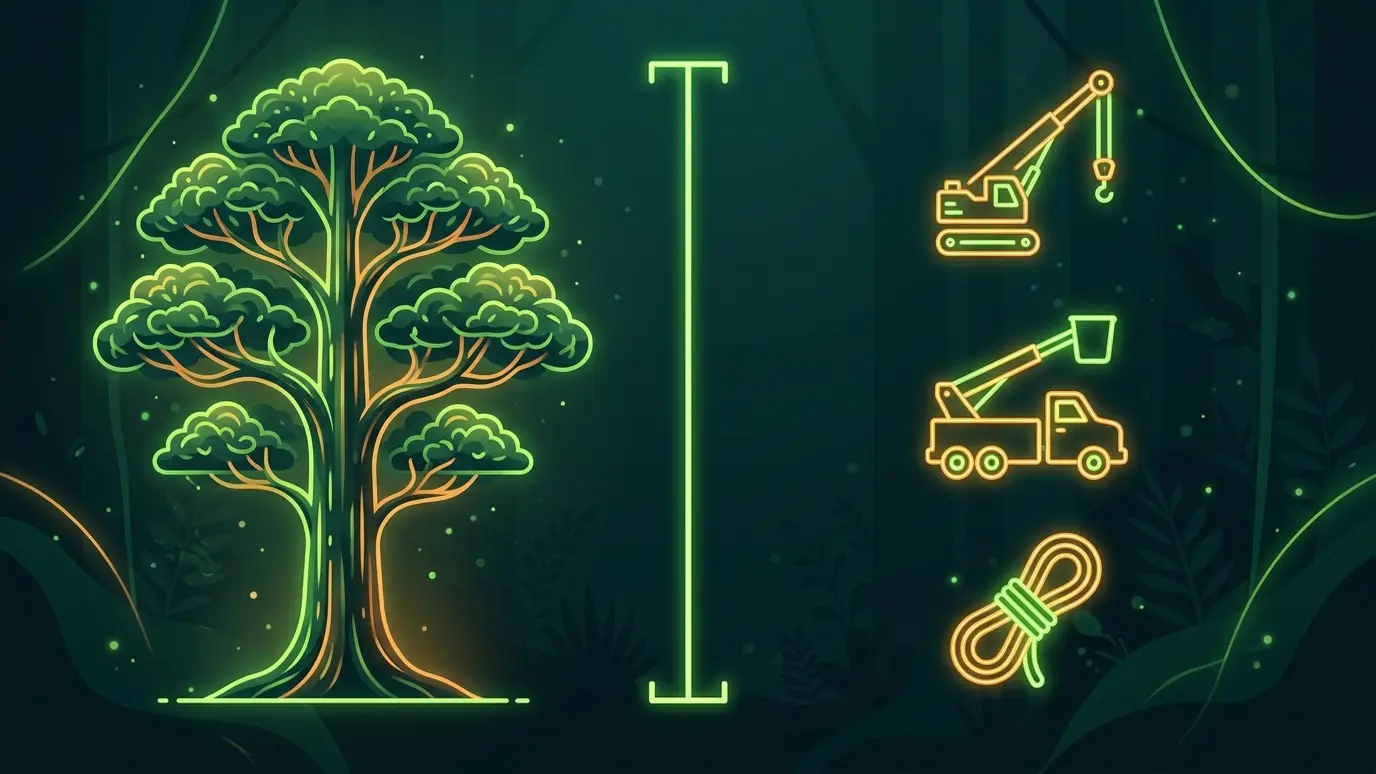 Tree Removal PlannerEnter height, trunk size and access, and see the likely method, equipment, crew and time for a removal.Try it
 Tree Service Cost EstimatorPick a service, a tree size and a few options and get a ballpark planning range.Try it
Drought, root damage, pests and disease can all cause it. We find the cause on site.
Sometimes. If the roots and trunk are sound and the cause is treatable, yes.
Only if soil tests show a need. Fertilizer is not a cure-all.
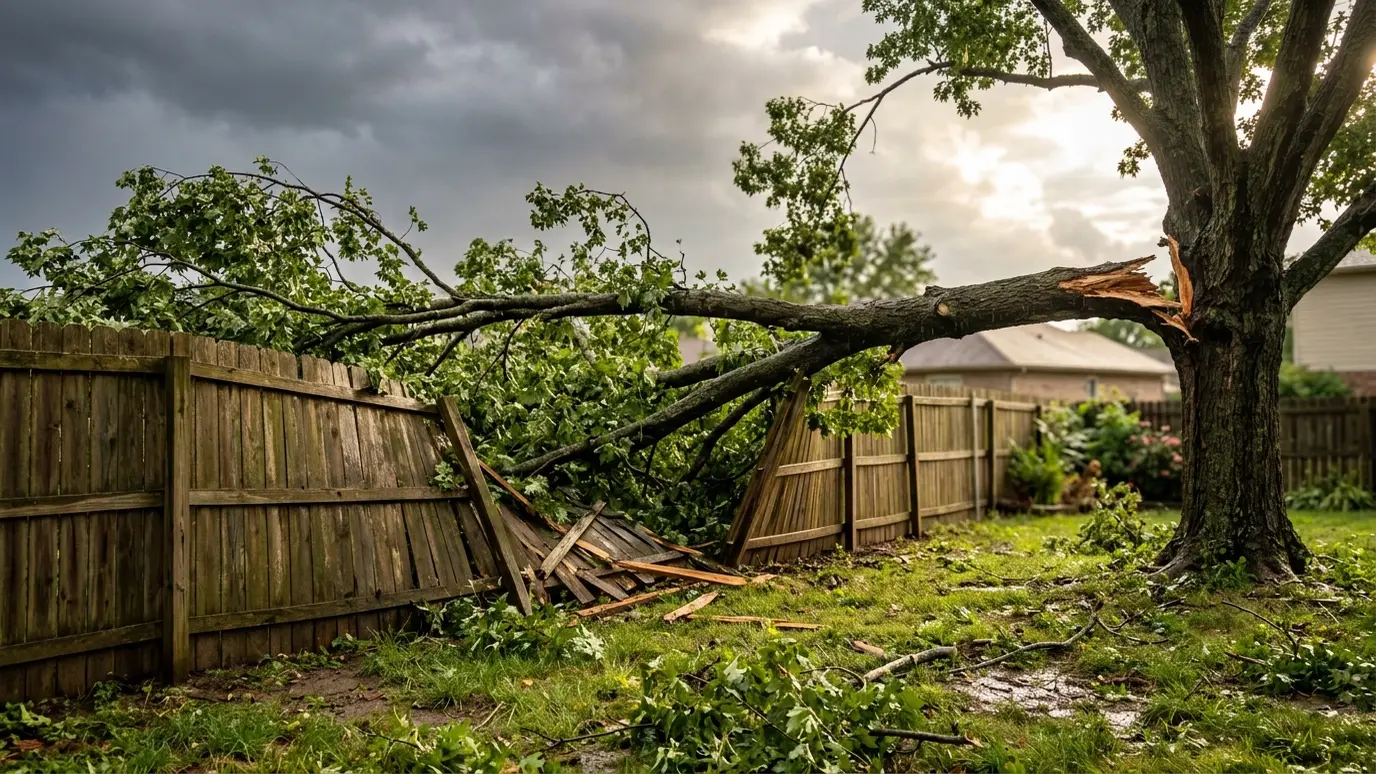 Common situationStorm DamageWind, ice and tornadoes leave trees broken, split and leaning. Knowing what to save and what to remove…Learn more
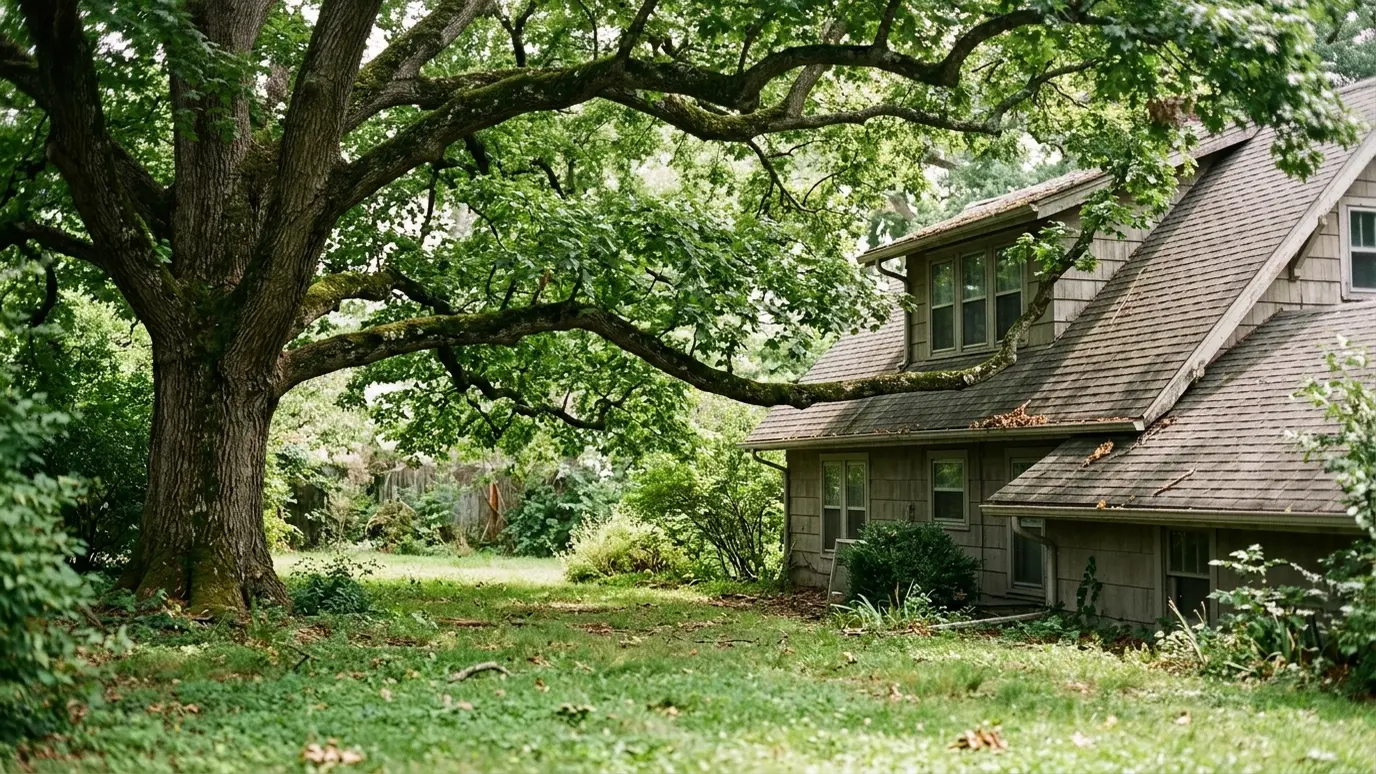 Common situationTrees Near the HouseBig trees beside a home bring shade and value, and risk. Here is how to tell whether yours…Learn more
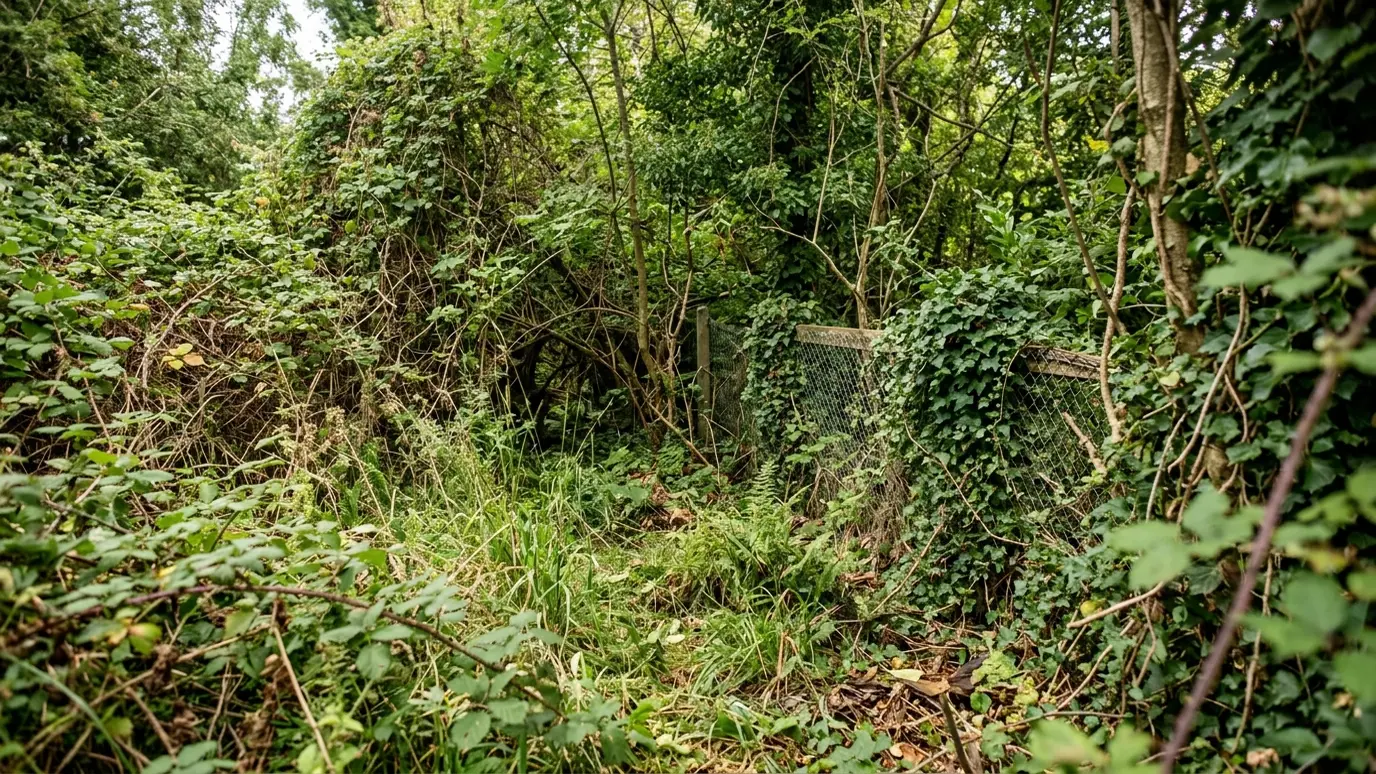 Common situationOvergrown PropertiesWhen trees, shrubs and vines take over, a plan beats a panic: what to cut, what to keep…Learn more
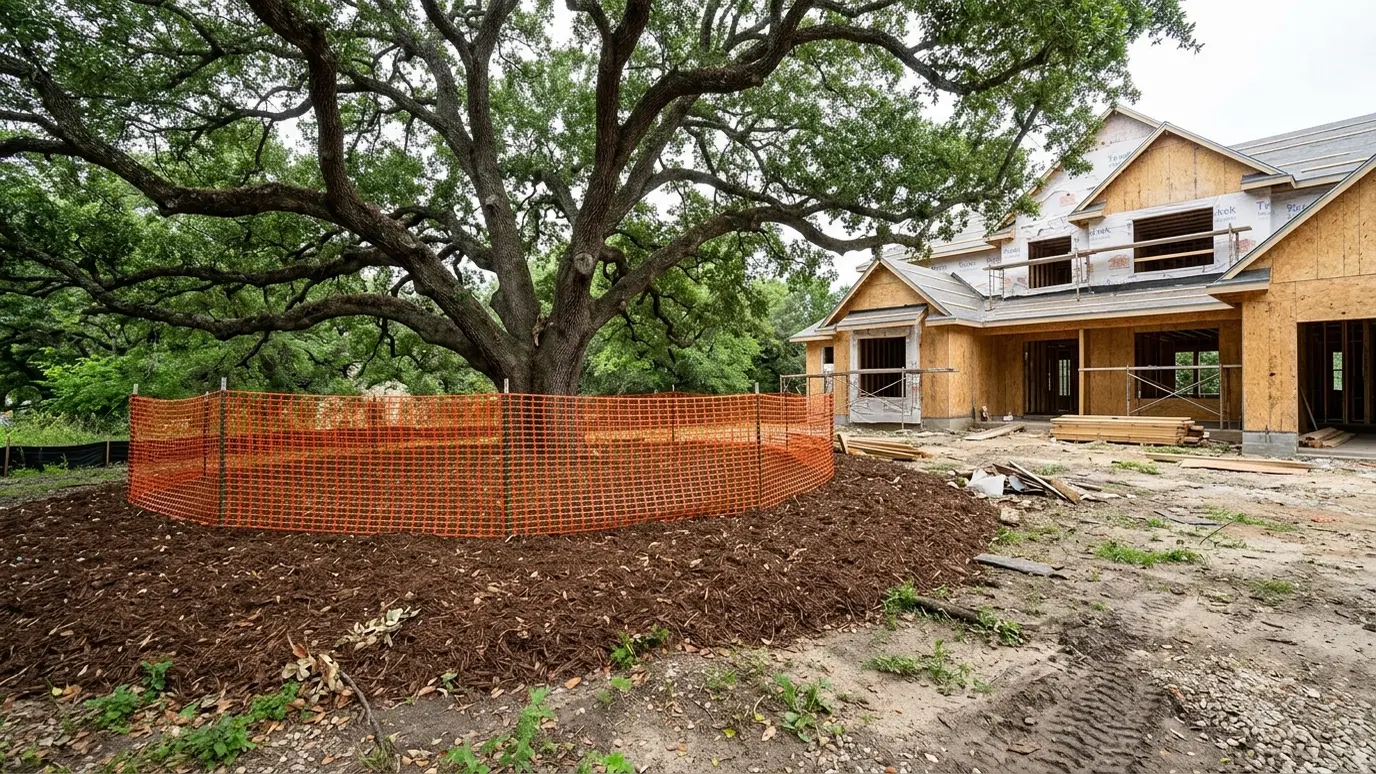 Common situationTrees and ConstructionNew homes, additions, driveways and pools are hard on trees. A plan before the equipment arrives is the…Learn more
Quick scheduling, a crew that handles every cut and every bit of cleanup, and a clear price before we start.