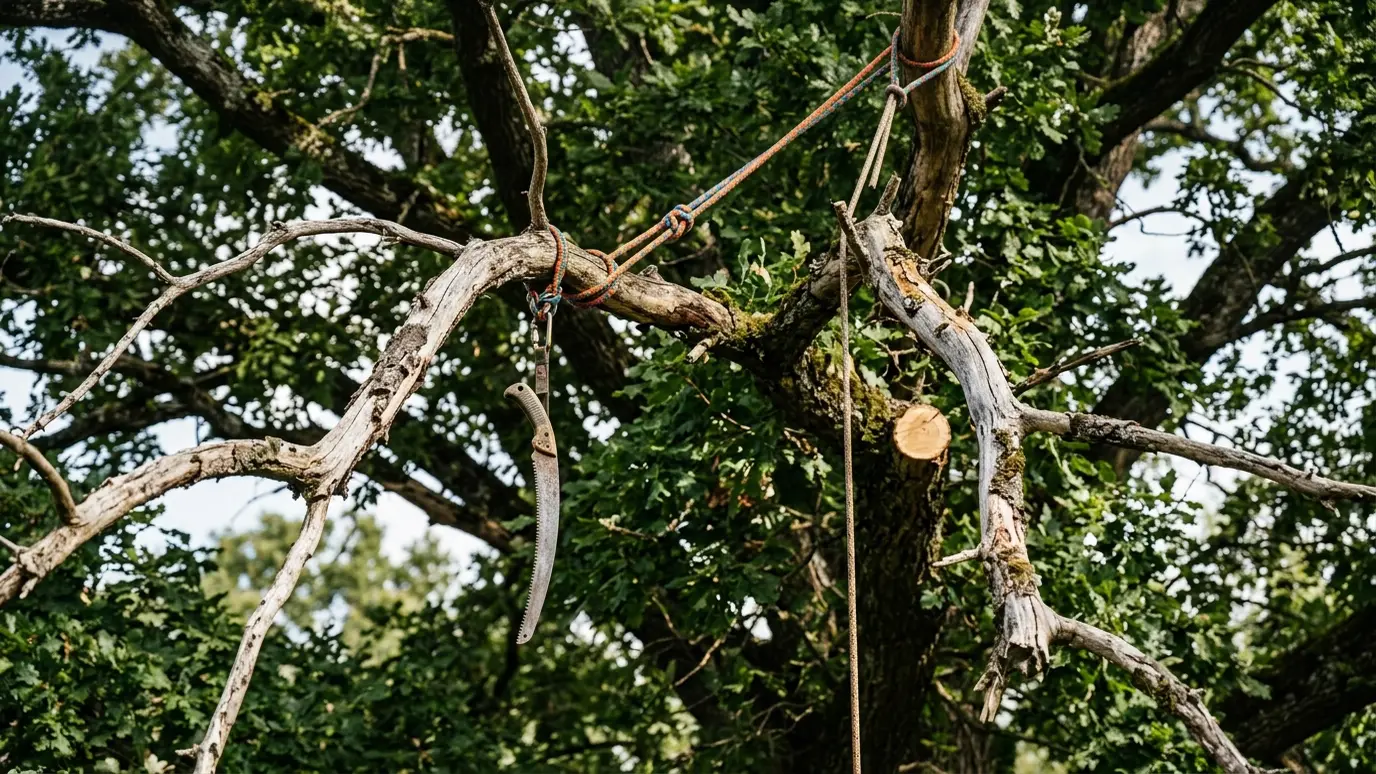
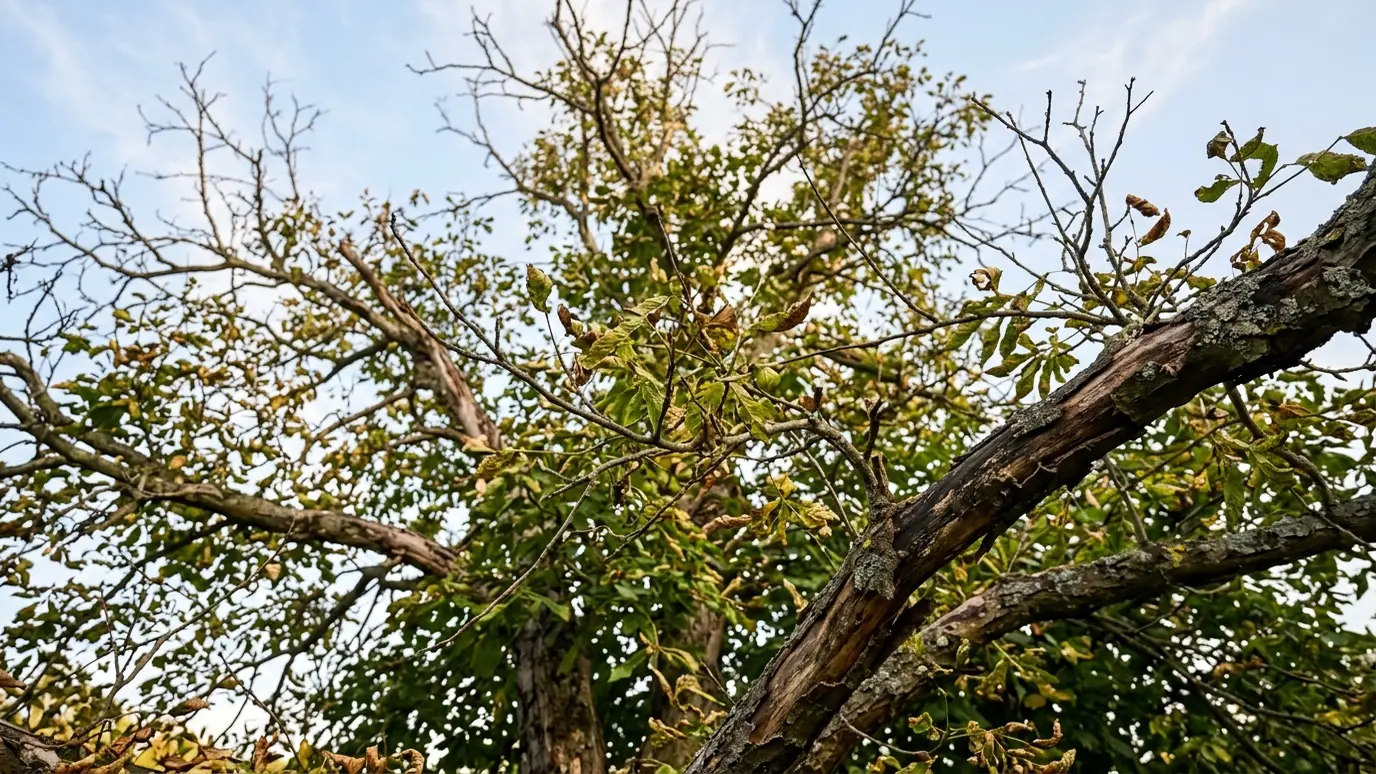
Dead and dying limbs taken out of the canopy before they fall on a roof, a car or a person.
Every mature tree sheds a few dead branches over time. In a healthy tree it is normal. In a big crown above a house, a patio or a play area it is a hazard. Dead limbs lose strength, break in light wind and can fall with a lot of force from high up.
We climb or use a bucket truck to inspect the canopy and remove dead, dying, broken and hanging limbs, as well as stubs left from past storms. A Certified Arborist looks at what the deadwood says about the tree: sudden dieback might point to disease, root damage or pests that need attention.
Dead wood dries out, cracks and loses fiber strength. Fungi speed the decay. A limb that survived one storm can drop in the next gust. The higher the limb, the more energy it carries when it lands.
A few small dead twigs are normal. Large dead limbs in one area can signal root trouble, construction damage, drought stress or insect activity. We note patterns and tell you what we see.
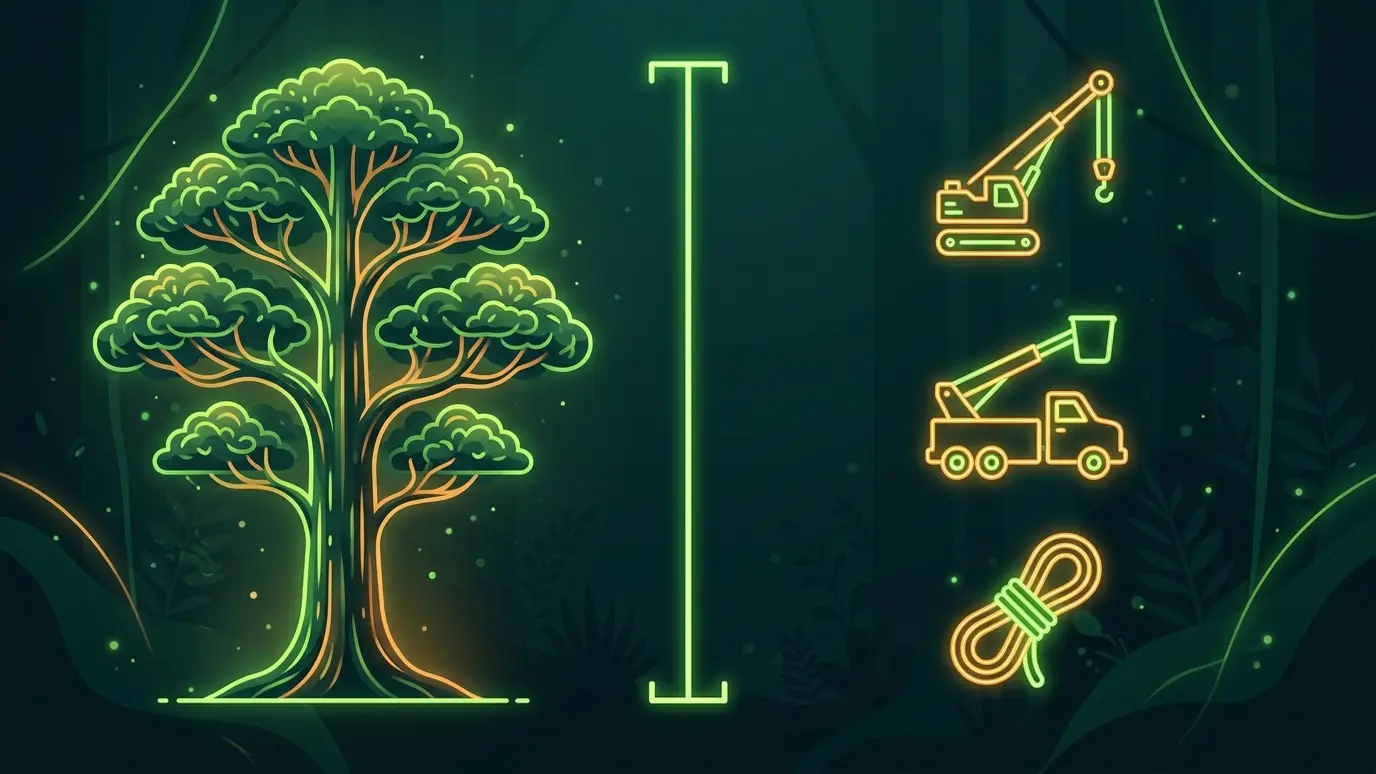
Dead wood can shatter when cut. We prefer to work from a bucket truck or from a rope system anchored in sound wood. Limbs are lowered or cut in short pieces to control where they land.
For big trees near homes, a quick annual check for deadwood is a good habit. A few minutes in the canopy after a storm or each winter can catch problems before they cause damage.
Dead limbs out before they fall.
Dieback patterns are read, not ignored.
Roofs, patios and cars are guarded.
Bucket truck or rope systems.
Often within days.
Debris hauled and area raked.
Every topic has its own page with what to expect and how an arborist helps.
 Common situationDeclining TreesThinning leaves, dying branches and odd growth are signals. Catch them early and many trees can recover.Learn more
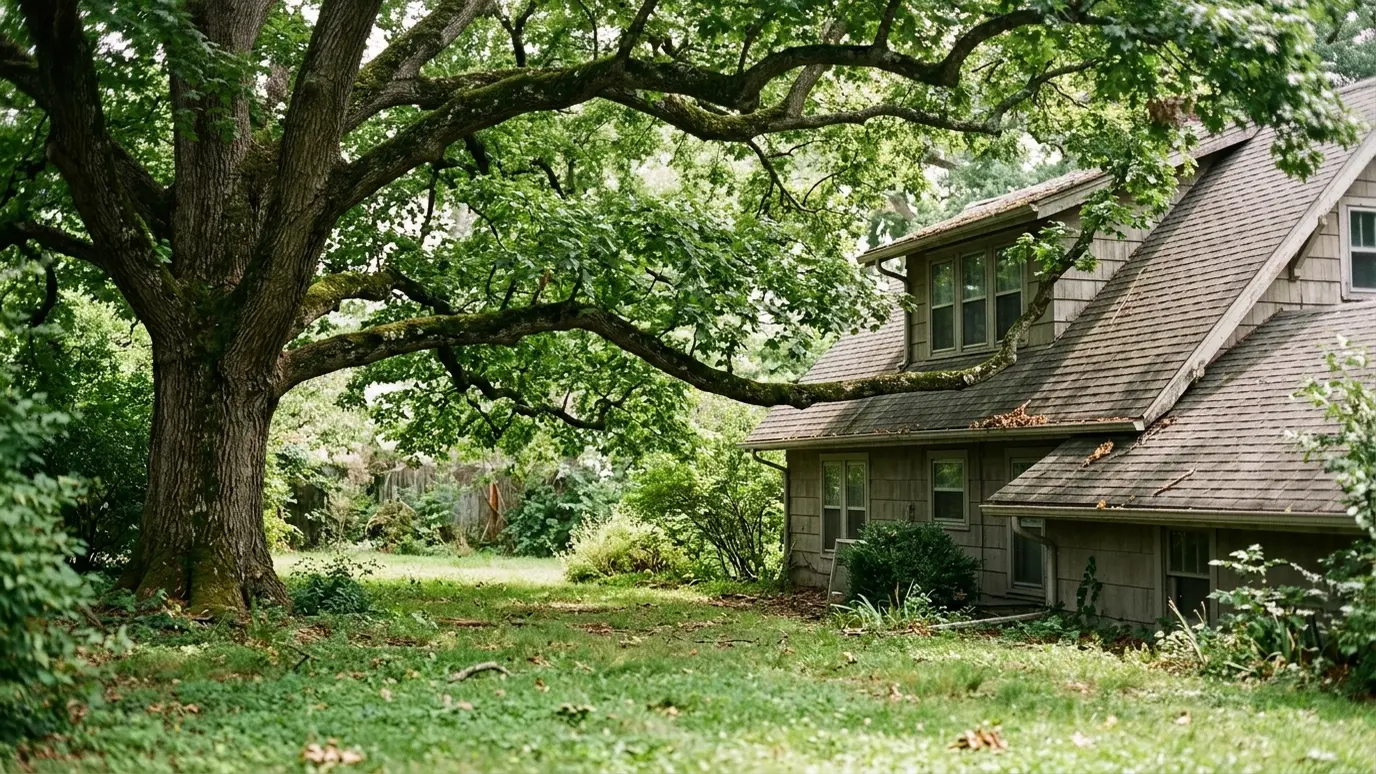 Common situationTrees Near the HouseBig trees beside a home bring shade and value, and risk. Here is how to tell whether yours…Learn more
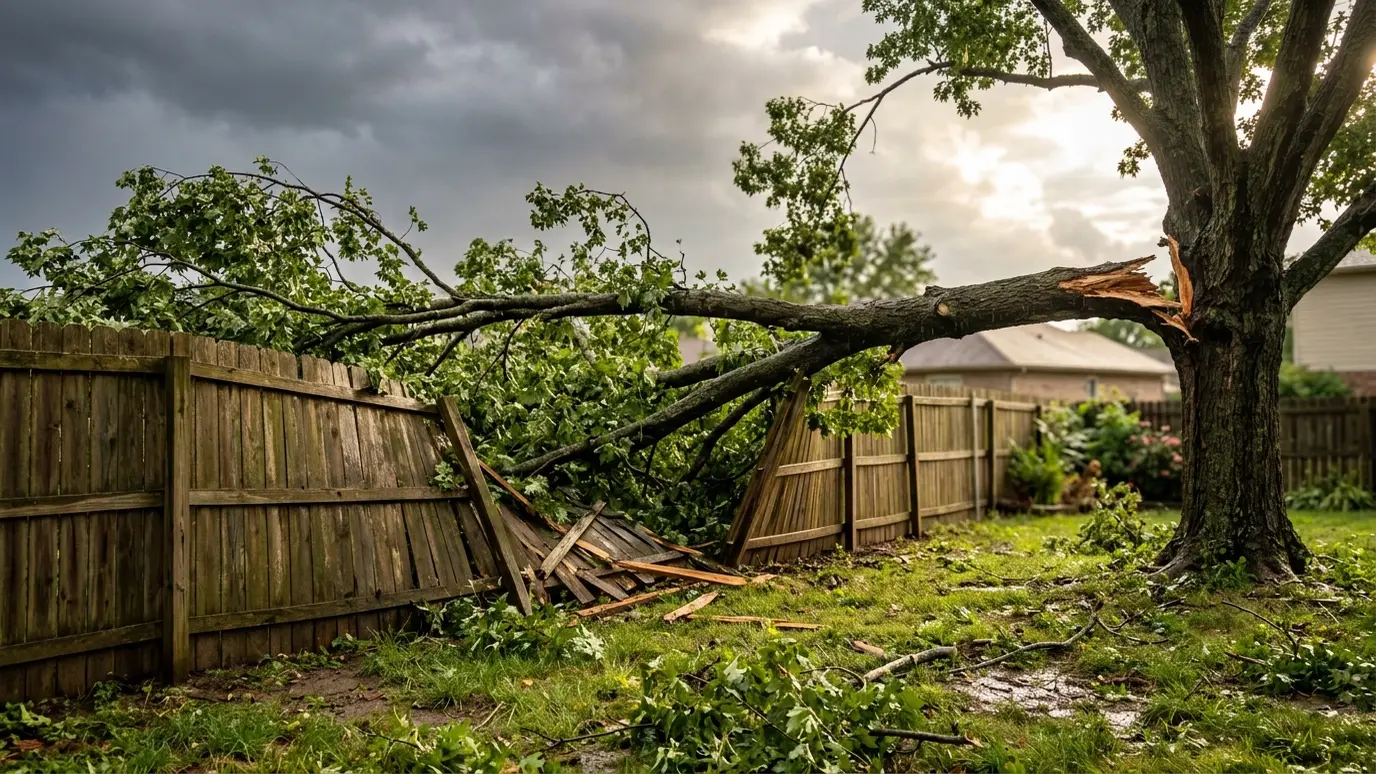 Common situationStorm DamageWind, ice and tornadoes leave trees broken, split and leaning. Knowing what to save and what to remove…Learn more
Check off what you see on the trunk, roots and crown and what is below the tree, and get a plain-language risk level.
Tell us what you see and what worries you. We give you safety tips right away.
A Certified Arborist looks at the tree, the site and the best method.
You get a written scope and price before any work begins.
Our crew rigs, cuts and lowers with your property protected.
We chip, haul, rake and walk the site with you.
We explain what the tree or property needs next and when to call us.
No leaves in the growing season, brittle bark and wood that snaps are signs. Winter makes it hard to tell, so an arborist can help.
No. Some deadwood is normal. A lot of it in one area can point to a problem.
Yes. It is a good time because leaves are off and the structure is easy to see.
That is urgent. Stay away and call us.
Yes. We handle oaks, maples, pines, magnolias and more.
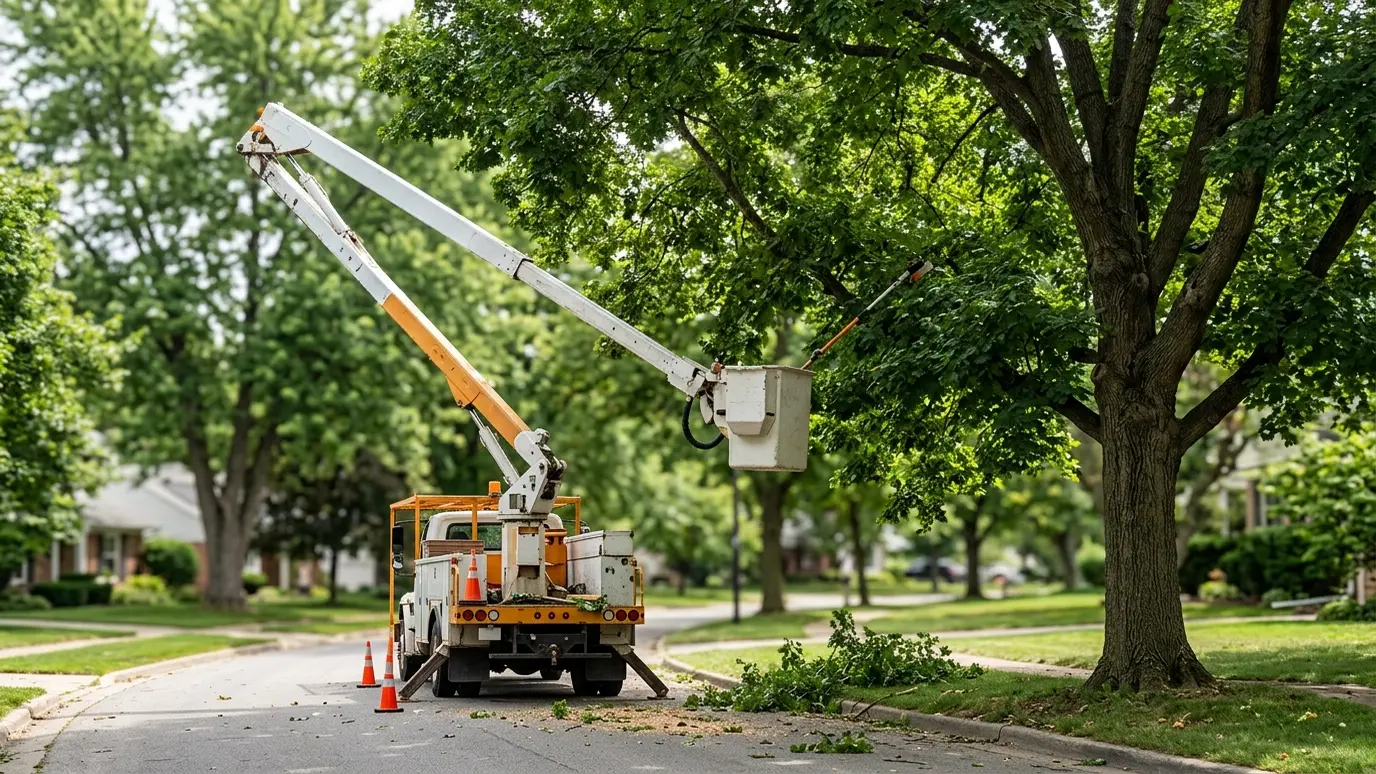 Tree TrimmingRoutine trimming that keeps trees healthy, safe and good-looking: dead wood out, clearance restored and the canopy shaped…Explore
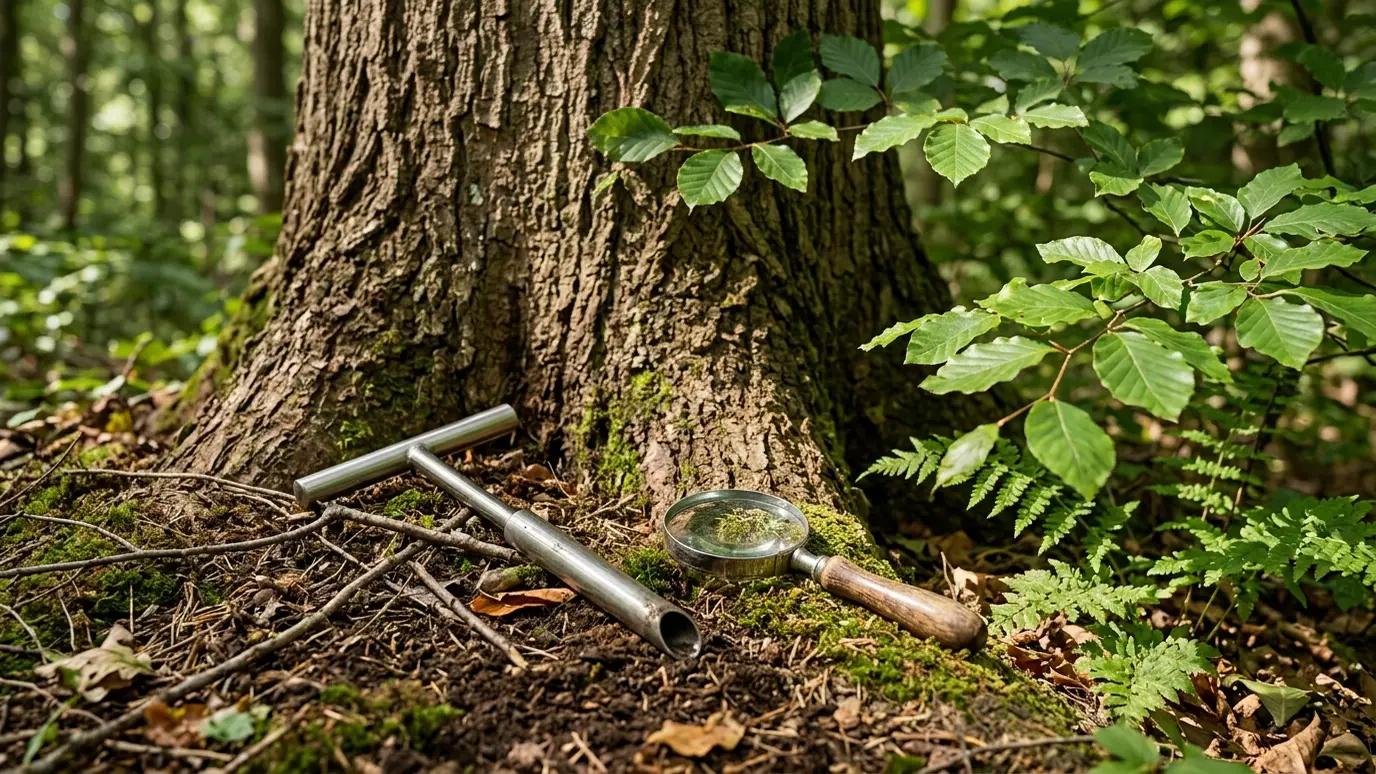 Tree Health AssessmentThin crown, odd leaf color, dying branches or mushrooms on the trunk: an arborist figures out what is…Explore
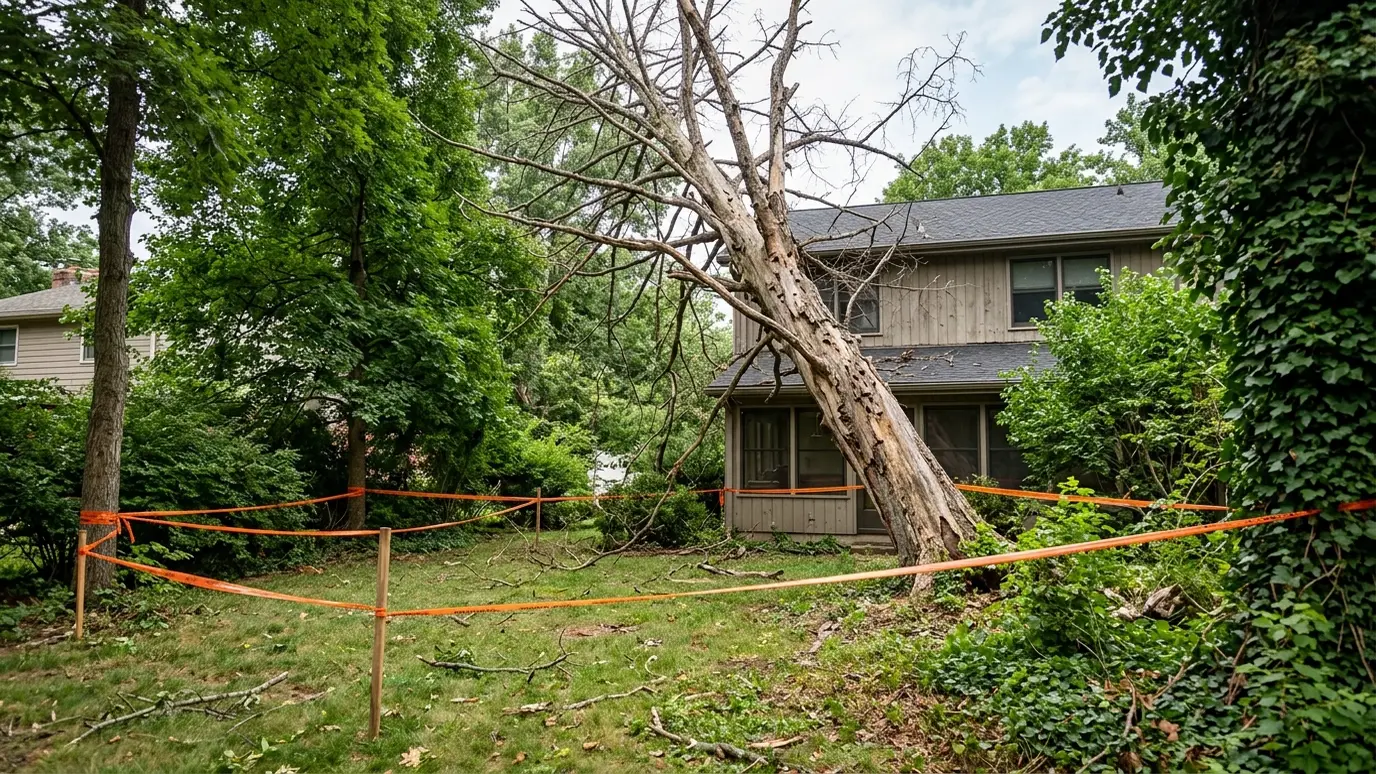 Hazardous Tree RemovalTrees that lean over homes, split at the trunk or hold dead wood overhead, assessed honestly and removed…Explore
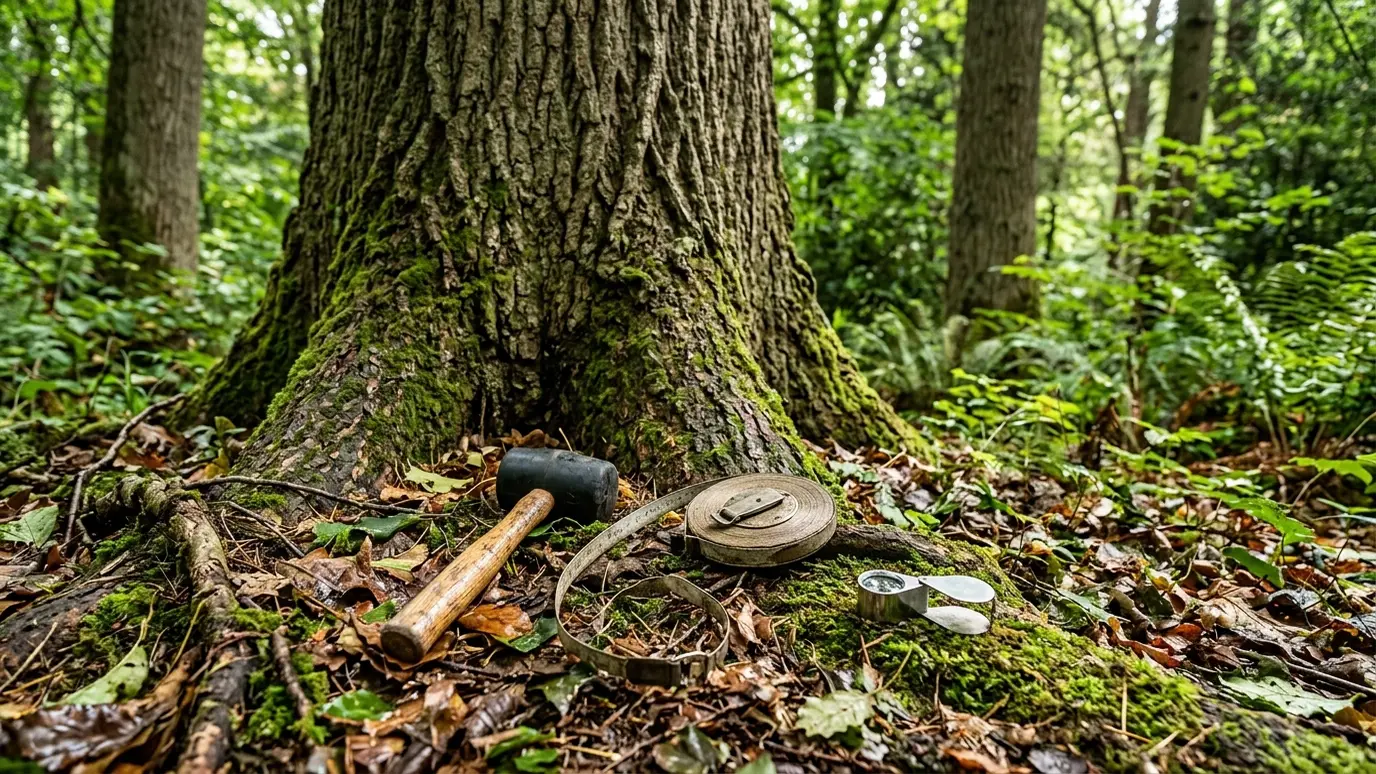 Tree Risk AssessmentA systematic look at whether a tree could fail, what it could hit and what to do about…Explore
Tell us about your tree and we will call you back quickly.
Or call (615) 357-7797 to talk now.