
Size and species set the baseline
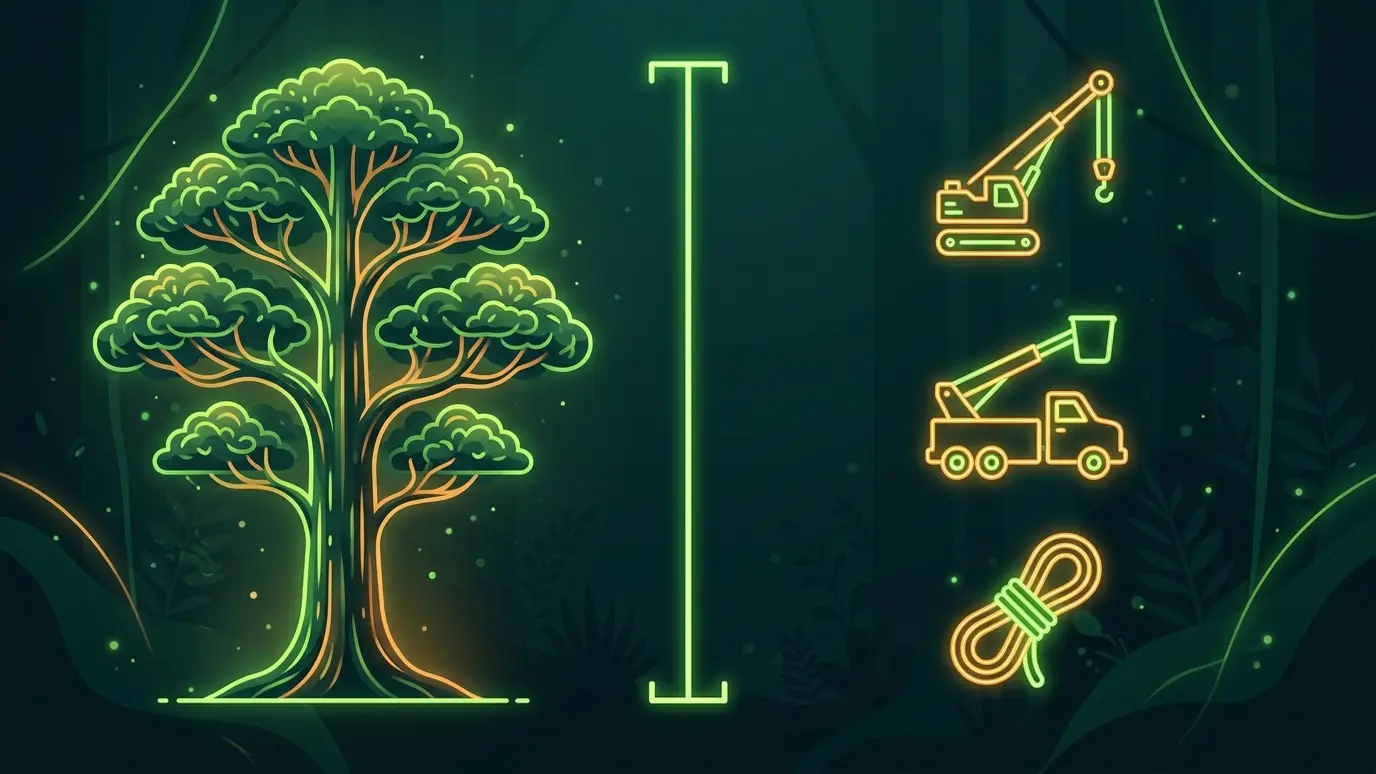
A small ornamental tree in an open yard is a short job. A seventy-foot oak is a long one. Height, trunk diameter and crown spread decide how many hours the crew works and what equipment they need.
Species matters too. Dense hardwoods are harder to cut and heavier to move than softwoods.
Access changes everything
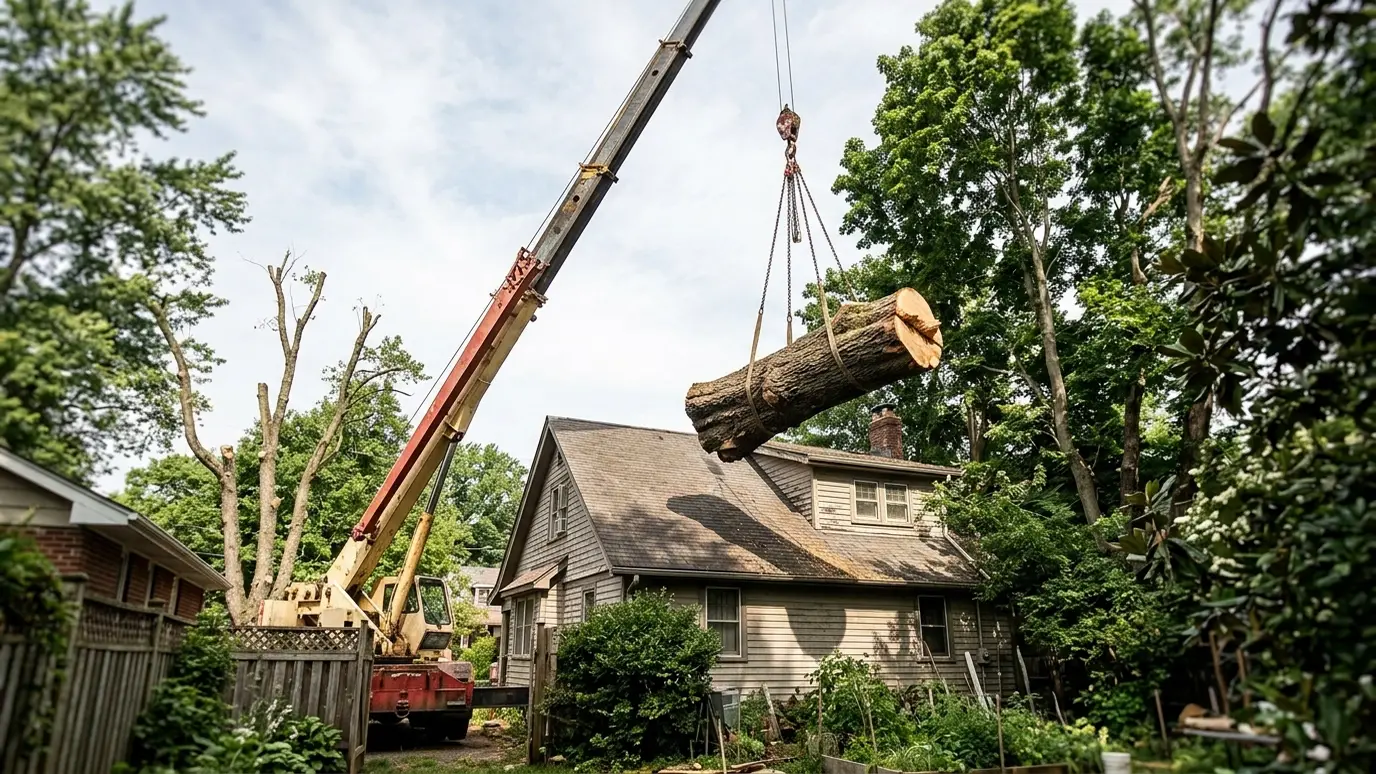
A tree with open space around it and a driveway for the chipper is easier than one in a fenced backyard with a narrow gate and a house beside it. Limited access can mean climbing instead of a bucket truck, or a crane instead of a drop zone.
Hazards raise the stakes
Trees near power lines, houses, pools and fences take more planning, more crew and more equipment. Dead or storm-damaged trees can be unstable, which makes each step slower and more careful.
Equipment and crew size
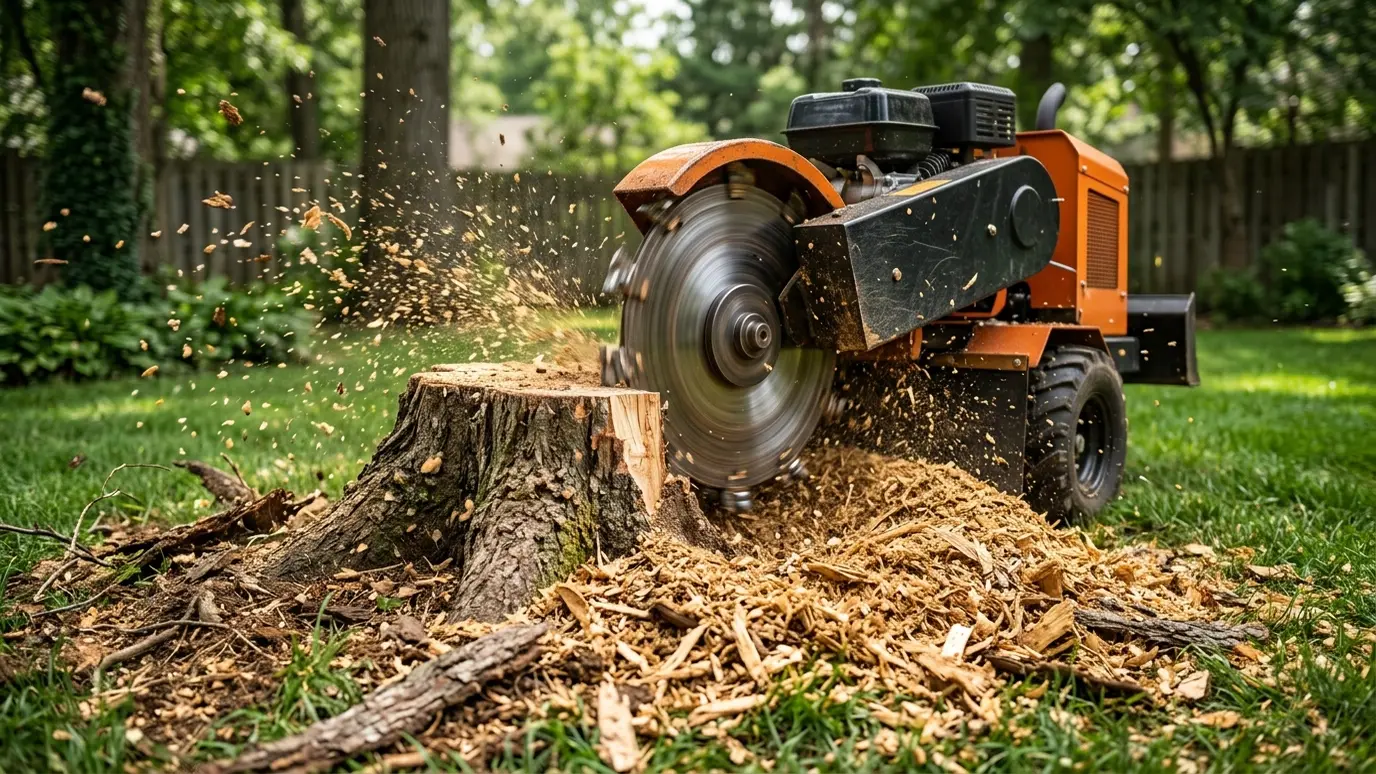
Bucket trucks, cranes, rigging, chippers and stump grinders all add to the cost. A larger crew finishes faster but costs more per hour. A good quote explains the equipment and crew the job requires.
Cleanup and extras
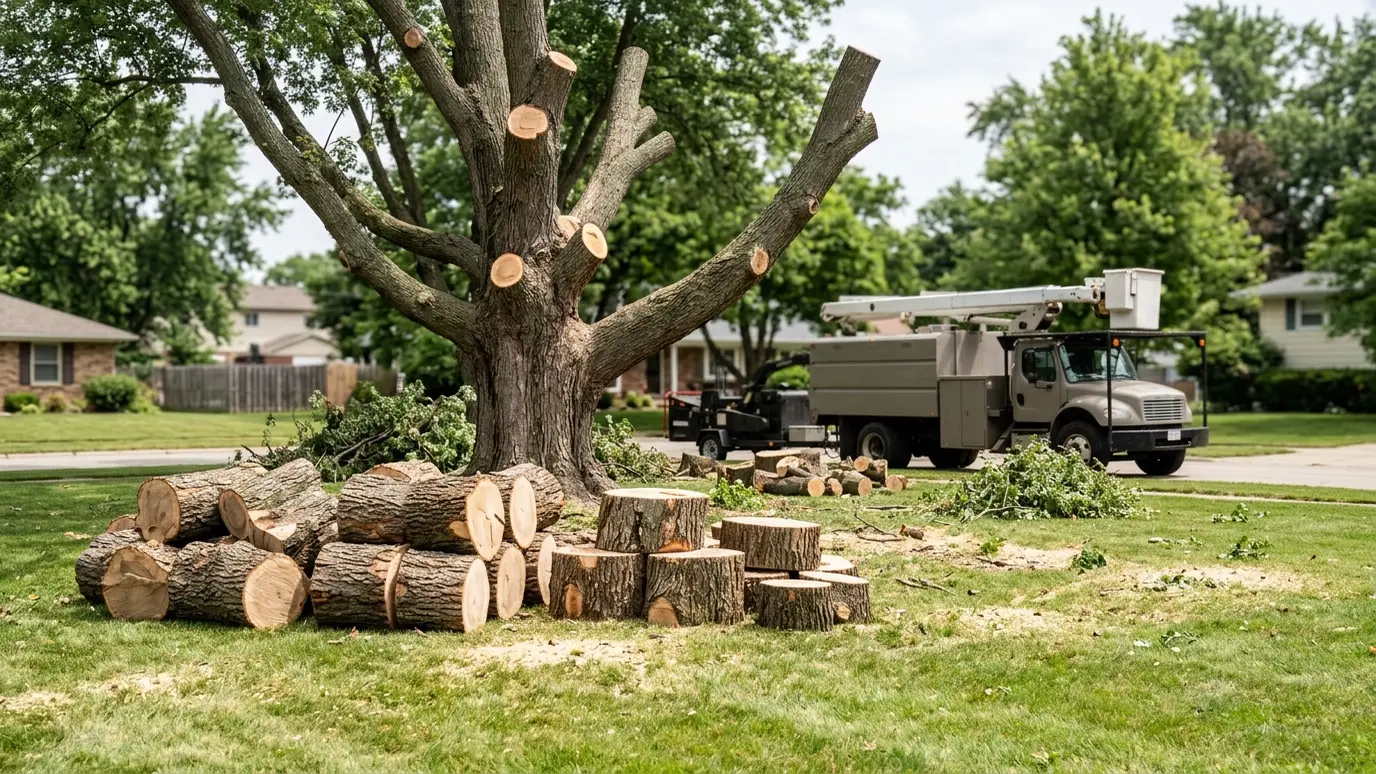
Does the price include chipping and hauling, raking, stump grinding or firewood cutting? Some bids leave you with a pile of logs and a big mess. Ask exactly what is included.
How to compare quotes
Compare the same scope: which trees, which method, what is hauled and whether stumps are included. Ask about the arborist who will plan the work and what documentation or insurance coverage the company carries. A written quote is better than a verbal one.
Compare scope, not just the number, and be wary of a bid that is much lower than the rest.