The few cuts that make the biggest difference: training a young tree to grow strong, balanced and safe for decades.
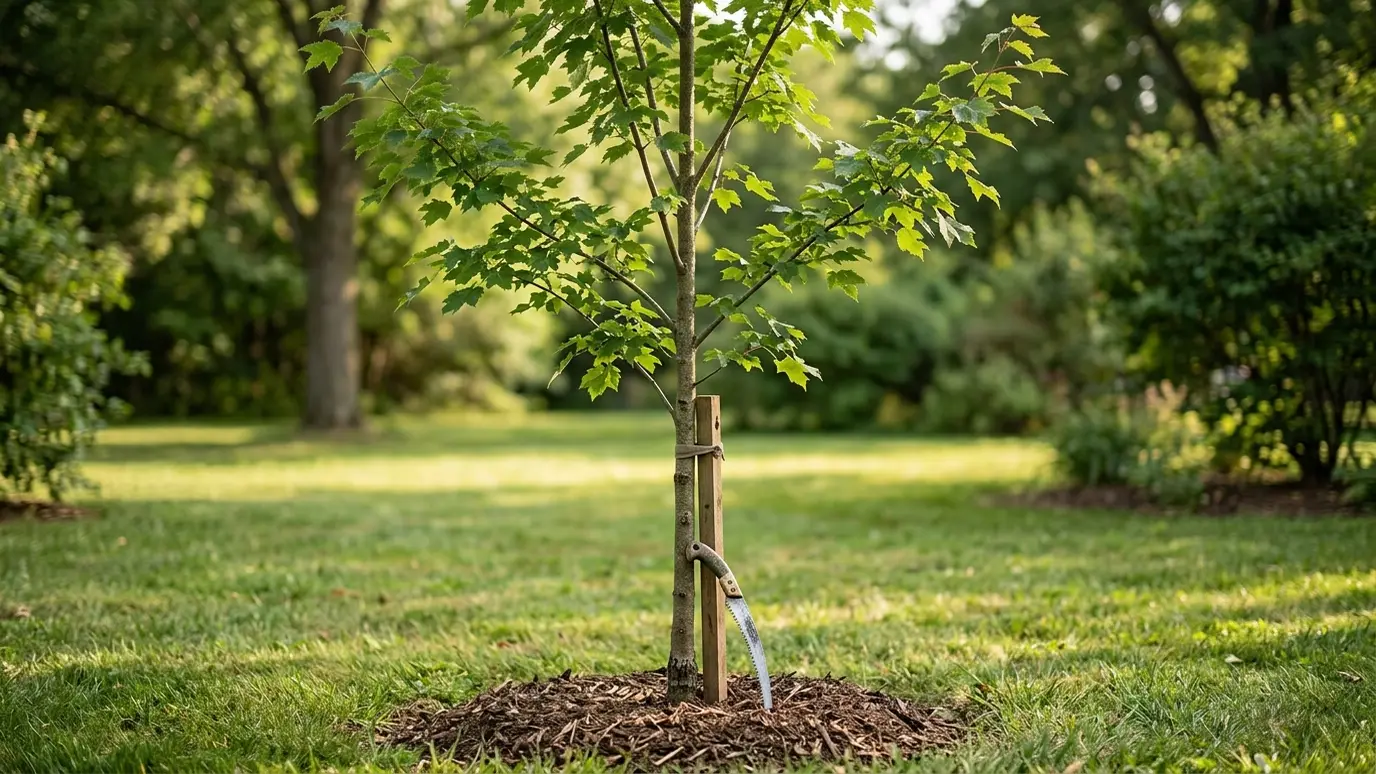
A tree planted today will be around long after the house has been repainted a few times. The best moment to shape its structure is when it is young and the cuts are small. A few well-chosen cuts in the first years prevent weak unions, split trunks and hazardous limbs later on.
A Certified Arborist selects a single dominant leader, spaces the main branches along the trunk and removes competing stems, rubbing branches and low limbs that will need to go anyway. We make small, clean cuts that heal fast and set the tree on a path to need far less work, and cost far less, as it matures.
A branch union with bark trapped inside, called included bark, is weak. Left alone, it can split years later under load. Removing or subordinating a competing stem early costs almost nothing compared with a large cut or a cable later.
We choose a central leader, shorten competing stems, remove crossing and rubbing branches, and keep low branches temporarily to build trunk strength while limiting how long they stay. Each visit takes only a modest amount of foliage.
Young trees benefit from a quick check every year or two for the first decade. After that, the need drops sharply. We set a schedule that fits the species and how fast it grows.
Even good nursery stock can have competing leaders and poor branch spacing. We look at the tree before it goes in the ground and again in its first years, making small corrections that prevent large problems.
Leader and scaffold branches chosen with care.
Easy for the tree to close.
Fewer splits, cables and removals later.
Brief visits in the first years.
Small jobs with a long-term payoff.
Good habits that last.
Every topic has its own page with what to expect and how an arborist helps.
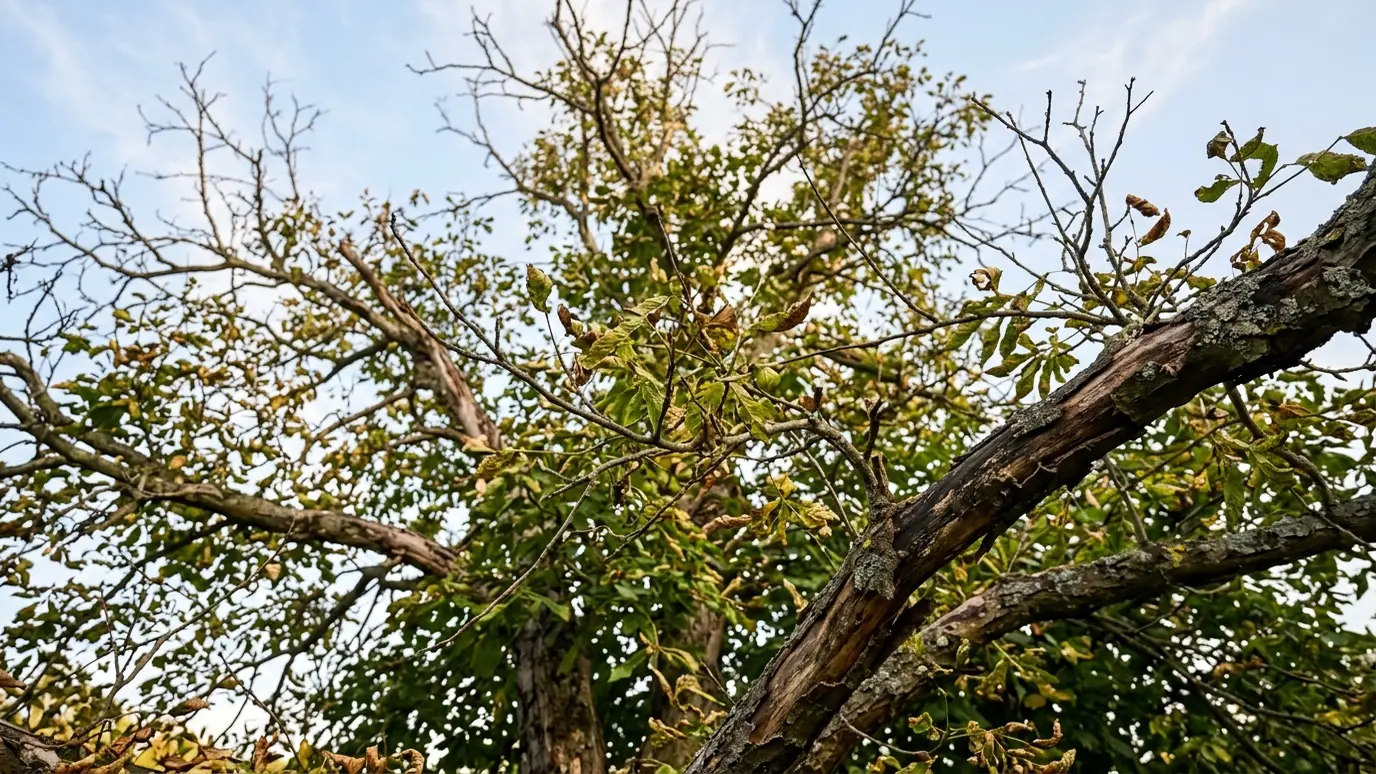 Common situationDeclining TreesThinning leaves, dying branches and odd growth are signals. Catch them early and many trees can recover.Learn more
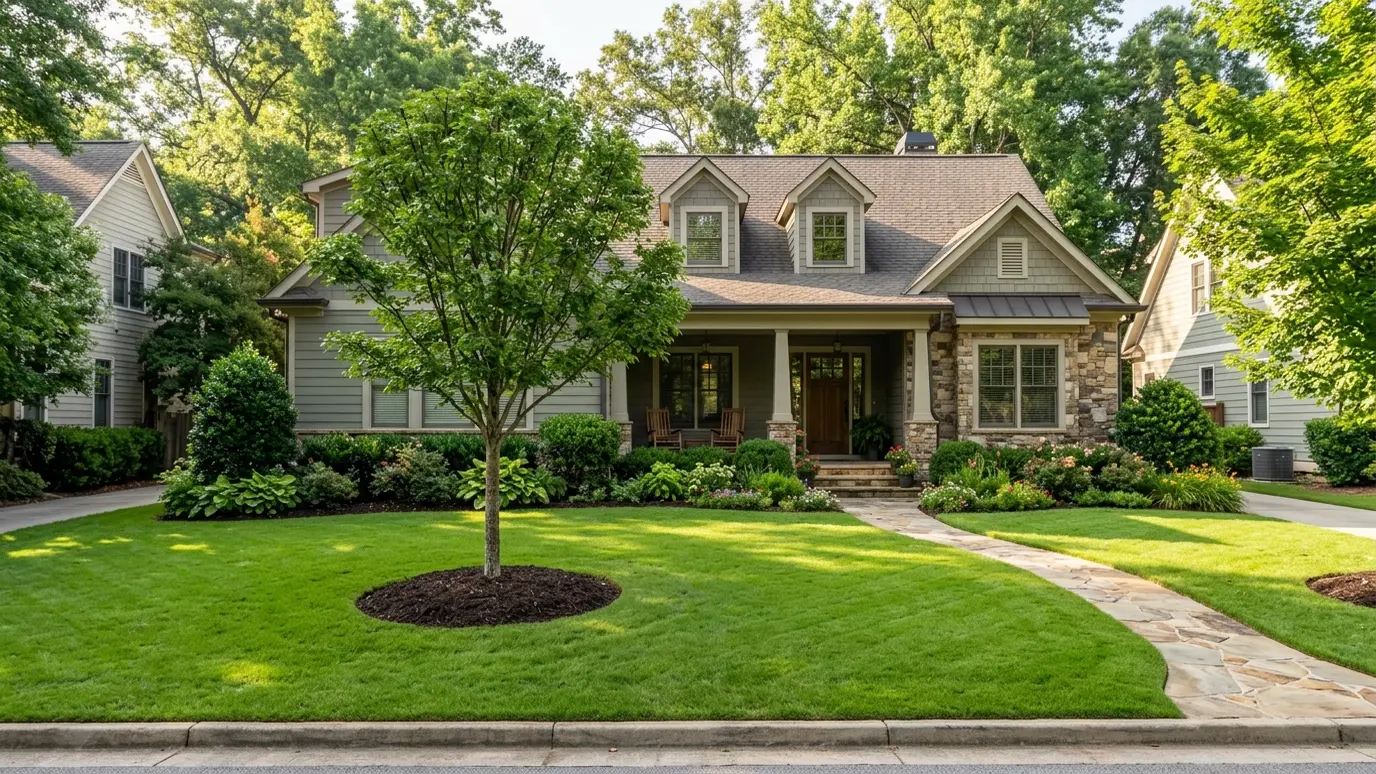 Common situationSelling Your HomeHealthy, tidy trees help a home sell. Hazards and overgrowth can derail a deal. Get ahead of both…Learn more
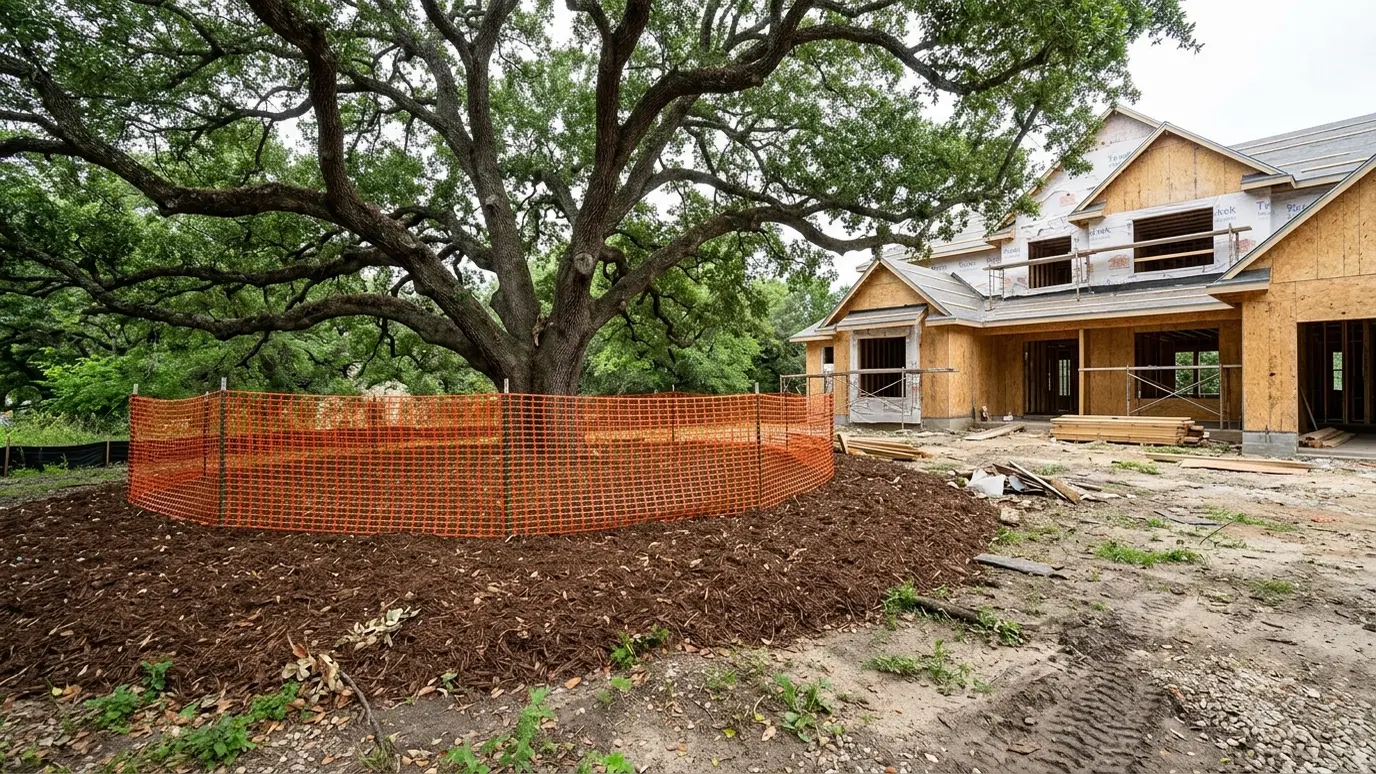 Common situationTrees and ConstructionNew homes, additions, driveways and pools are hard on trees. A plan before the equipment arrives is the…Learn more
Pick a tree and see the best months to prune it, the months to avoid and why.
Tell us what you see and what worries you. We give you safety tips right away.
A Certified Arborist looks at the tree, the site and the best method.
You get a written scope and price before any work begins.
Our crew rigs, cuts and lowers with your property protected.
We chip, haul, rake and walk the site with you.
We explain what the tree or property needs next and when to call us.
Light corrective pruning can start after a year or two once the tree is established. Avoid heavy pruning at planting.
It is the most economical tree care you can do. A few cuts early can prevent big problems later.
Often, yes, in stages. We plan the corrections over a few seasons.
Shade trees such as maples, oaks and elms, and trees that tend to form codominant stems.
You can learn the basics, but reaching the right branches and making the right cuts is easier with training. We offer advice and training visits.
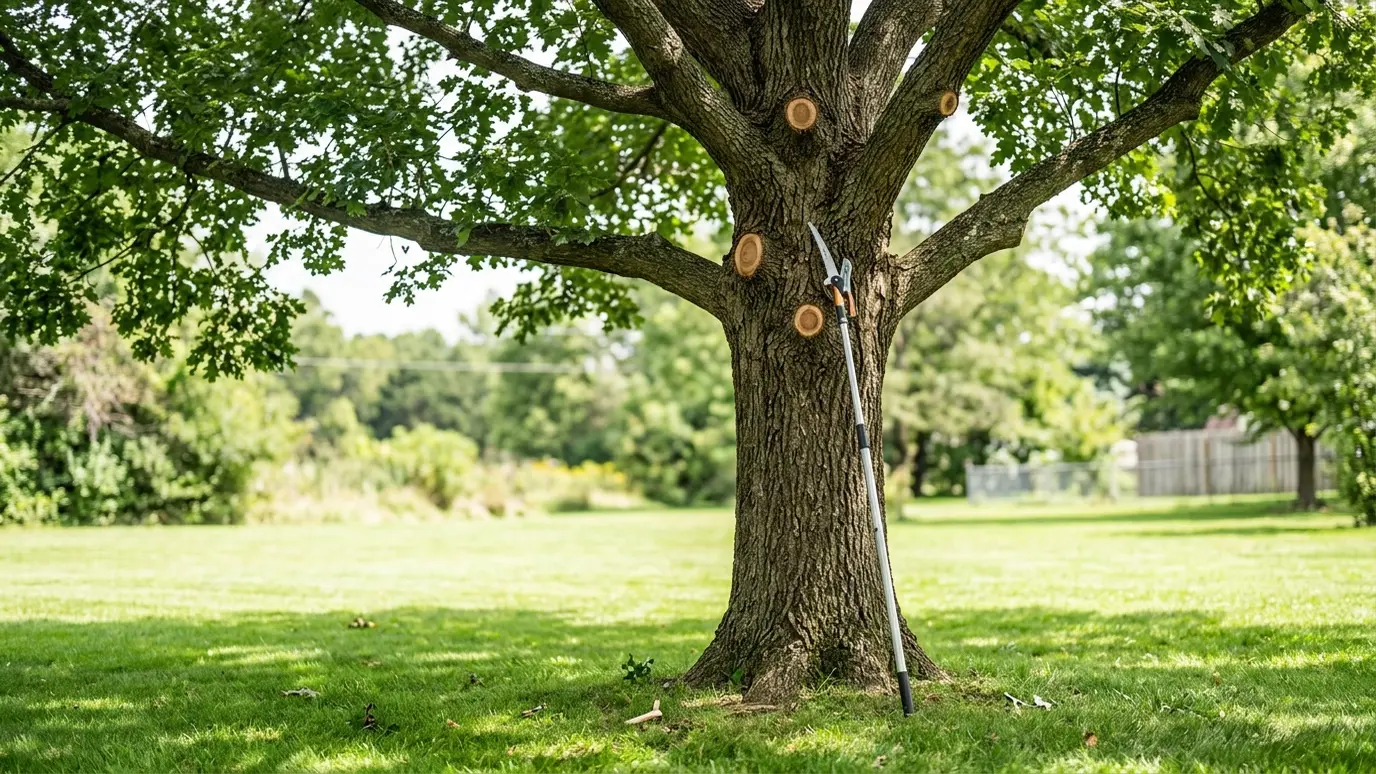 Tree PruningPrecision pruning for the long run: structure, health and form, with each cut made for a reason by…Explore
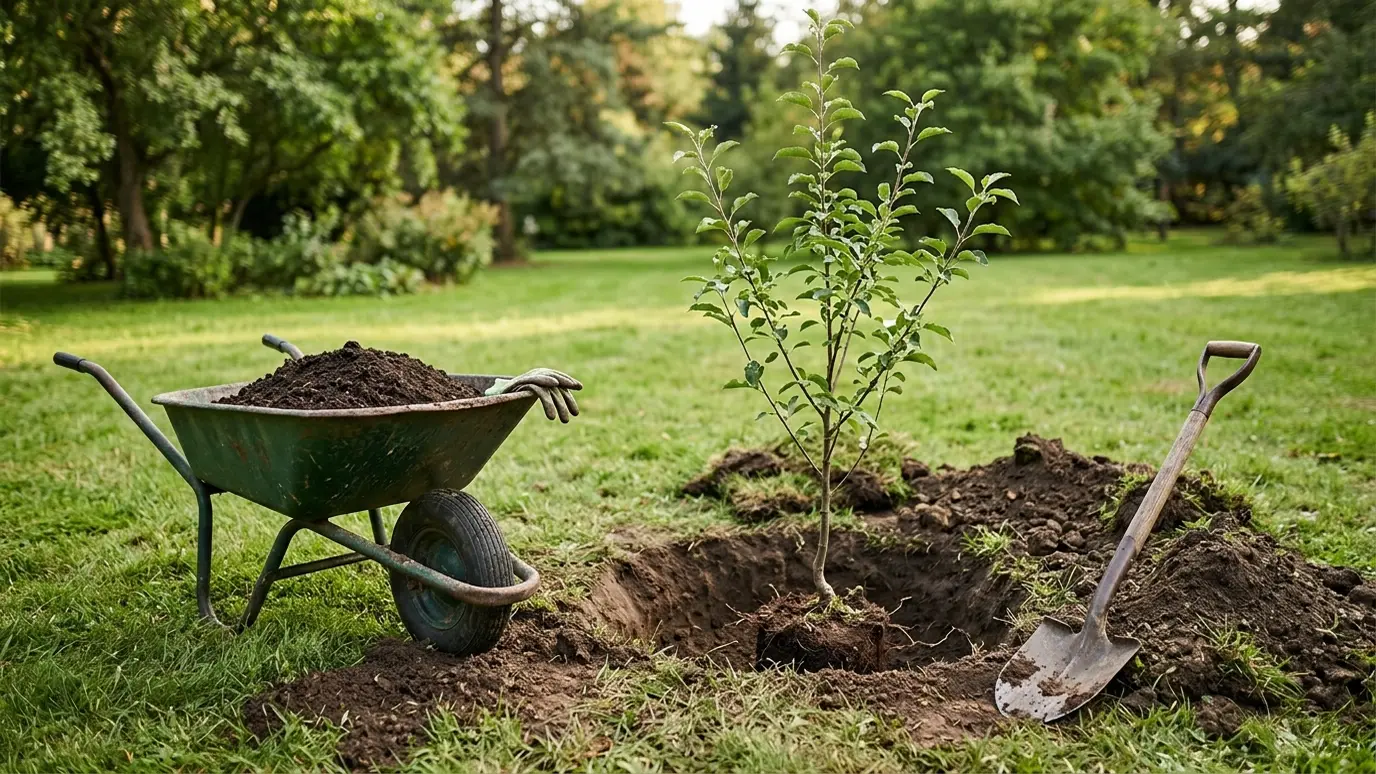 Tree PlantingThe right tree in the right place, planted correctly, so it thrives for generations instead of struggling for…Explore
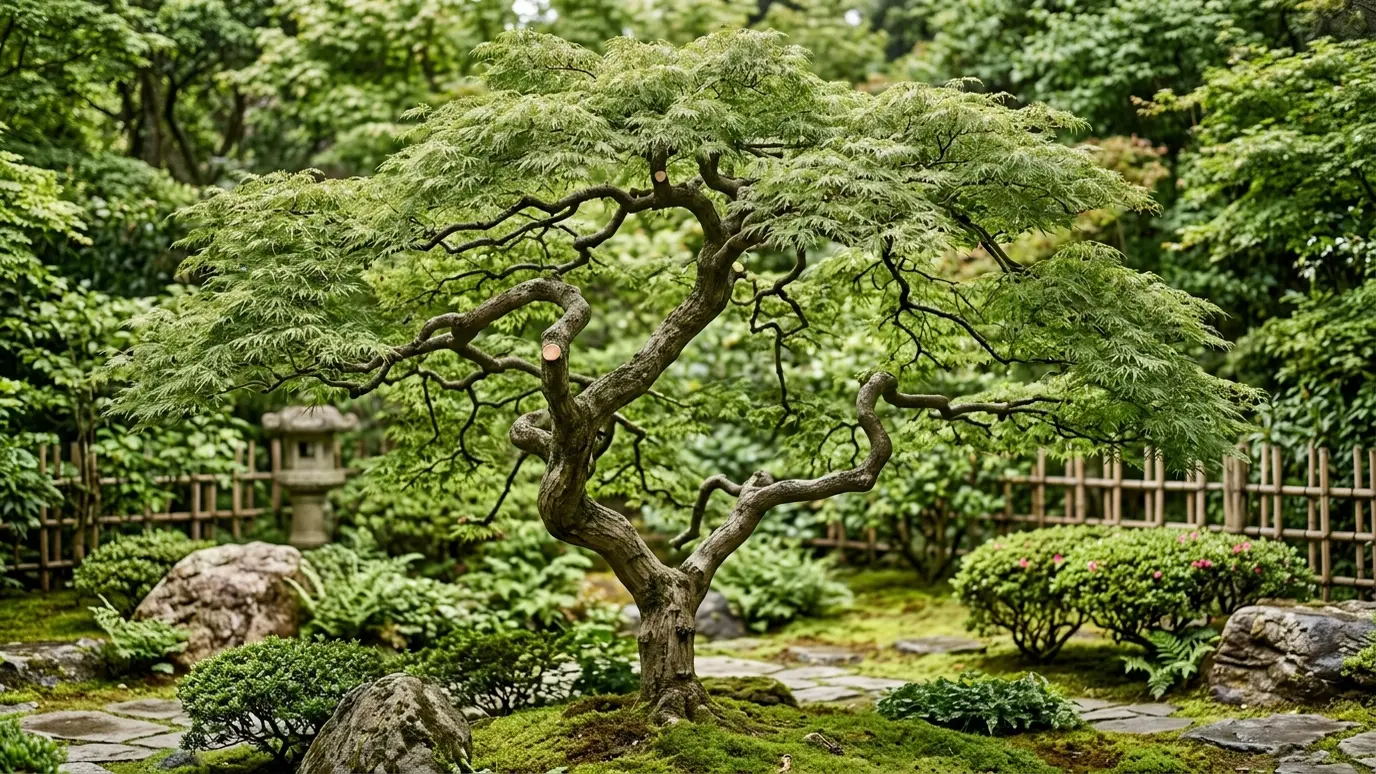 Ornamental PruningRedbuds, dogwoods, Japanese maples, crape myrtles and more, pruned to protect bloom, form and health.Explore
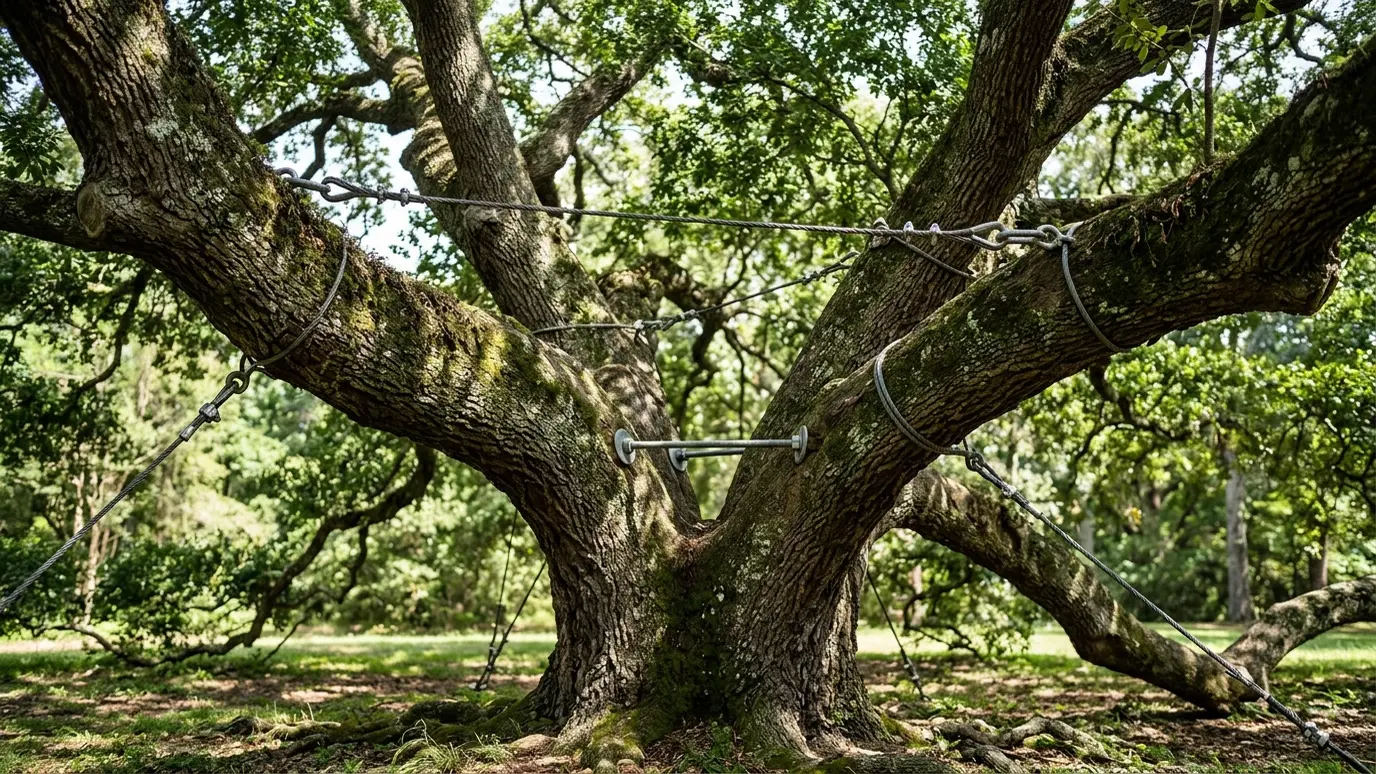 Cabling and BracingWeak unions and heavy limbs supported with cables and braces, so valuable trees can stay safely.Explore
Tell us about your tree and we will call you back quickly.
Or call (615) 357-7797 to talk now.