Compacted soil and bare ground are hard on trees. Aeration and proper mulching give roots air, water and room to grow.
Most yard soil in new subdivisions was scraped, graded and driven over by heavy equipment. The result is compacted clay that roots struggle to enter, with little air and poor drainage. Trees growing in it can look stressed for years. Fixing the soil often does more for a tree than any treatment.
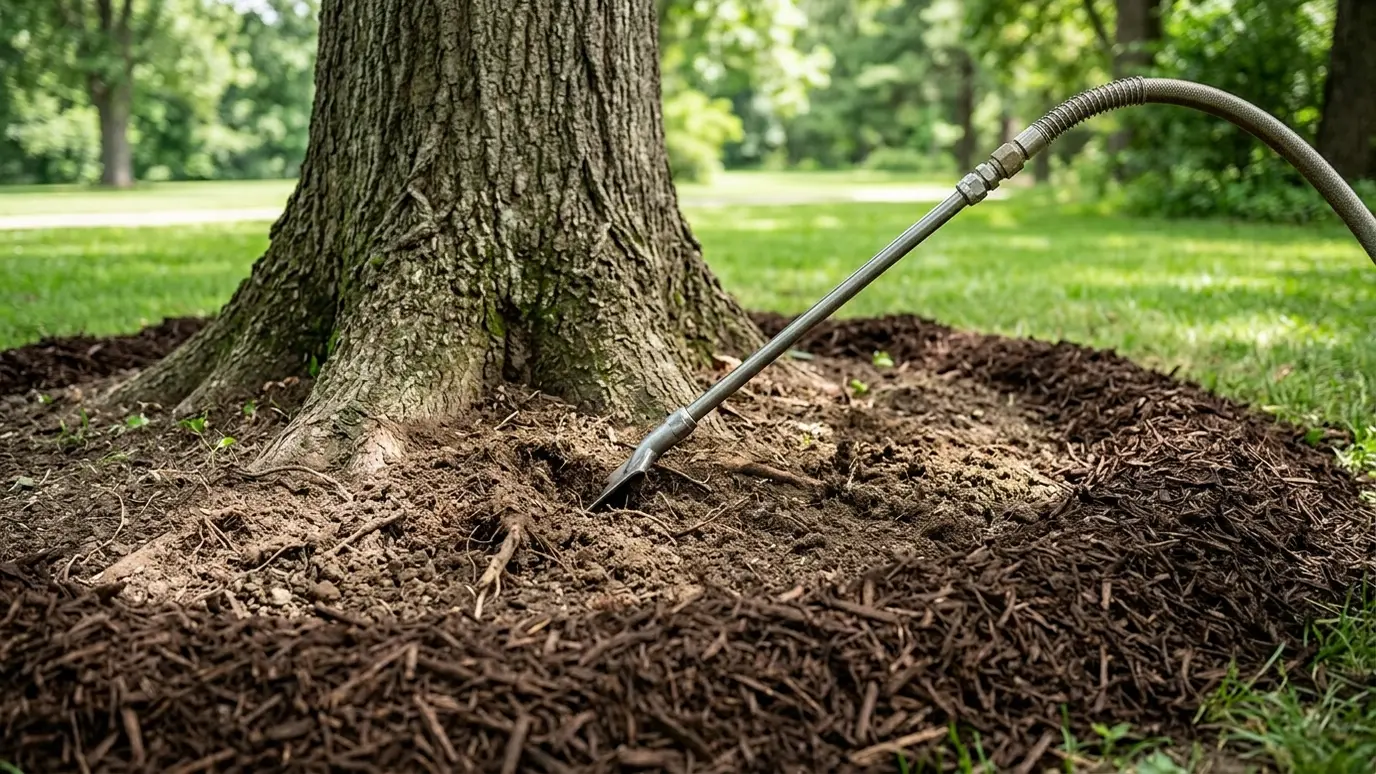
We use air tools and probes to loosen compacted soil around the root zone without cutting roots, mix in organic matter where it helps and finish with a proper layer of mulch. A Certified Arborist designs the work for the tree: how far out to treat, how much to add and where to leave the soil alone.
Roots need oxygen as well as water. Compacted soil has few air spaces, so roots stay shallow and weak and water runs off instead of soaking in. Trees under stress show thin canopies and dieback, and they are more vulnerable to pests.
Air spade excavation uses a jet of air to loosen soil without damaging roots. Vertical mulching and radial trenching add channels for air and water. We pick the method that fits the soil and the trees.
A layer of mulch a few inches deep, spread widely and kept off the trunk, moderates temperature, holds moisture, builds soil and reduces mower damage. Piling mulch against the trunk invites rot and rodents.
Trees in new neighborhoods often suffer for years from construction compaction. Relieving that stress early can make the difference between a tree that struggles and one that thrives.
Drag the handle to compare.
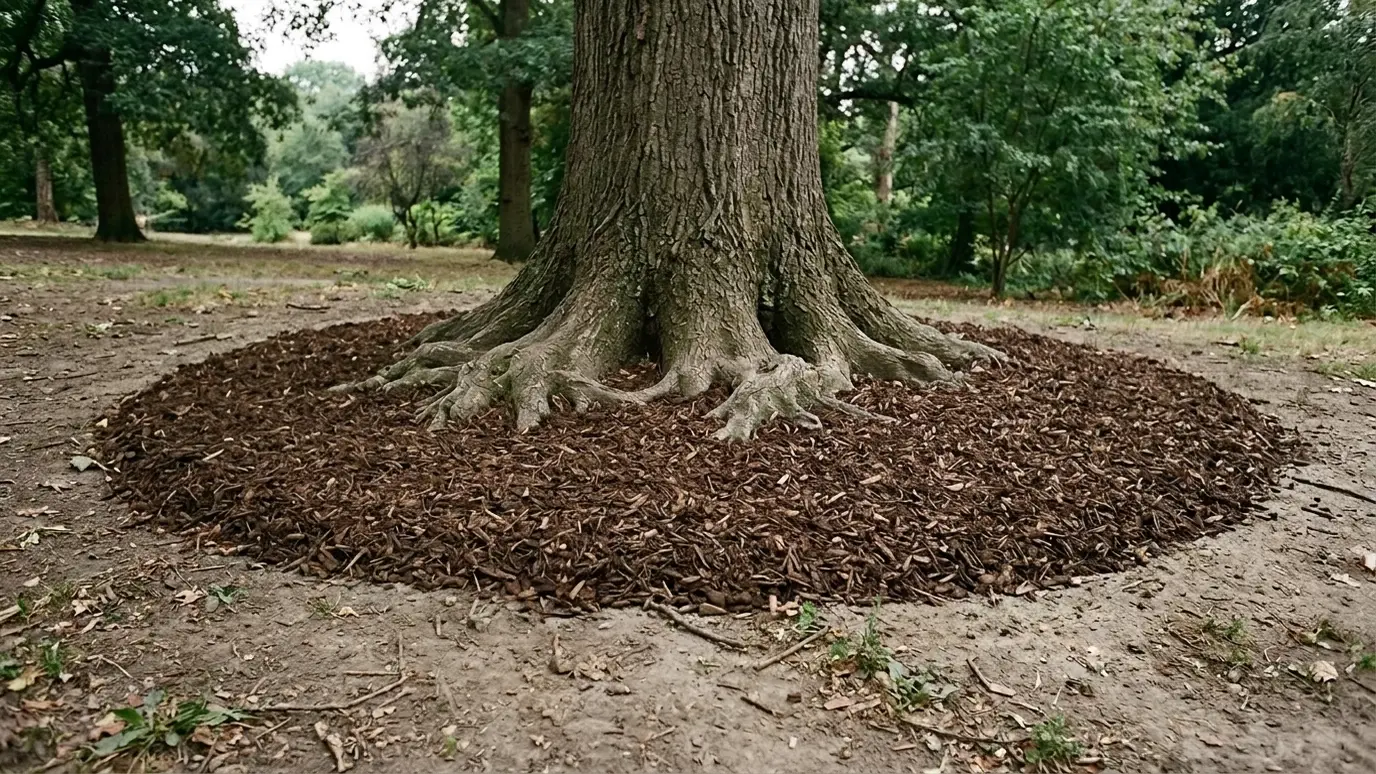
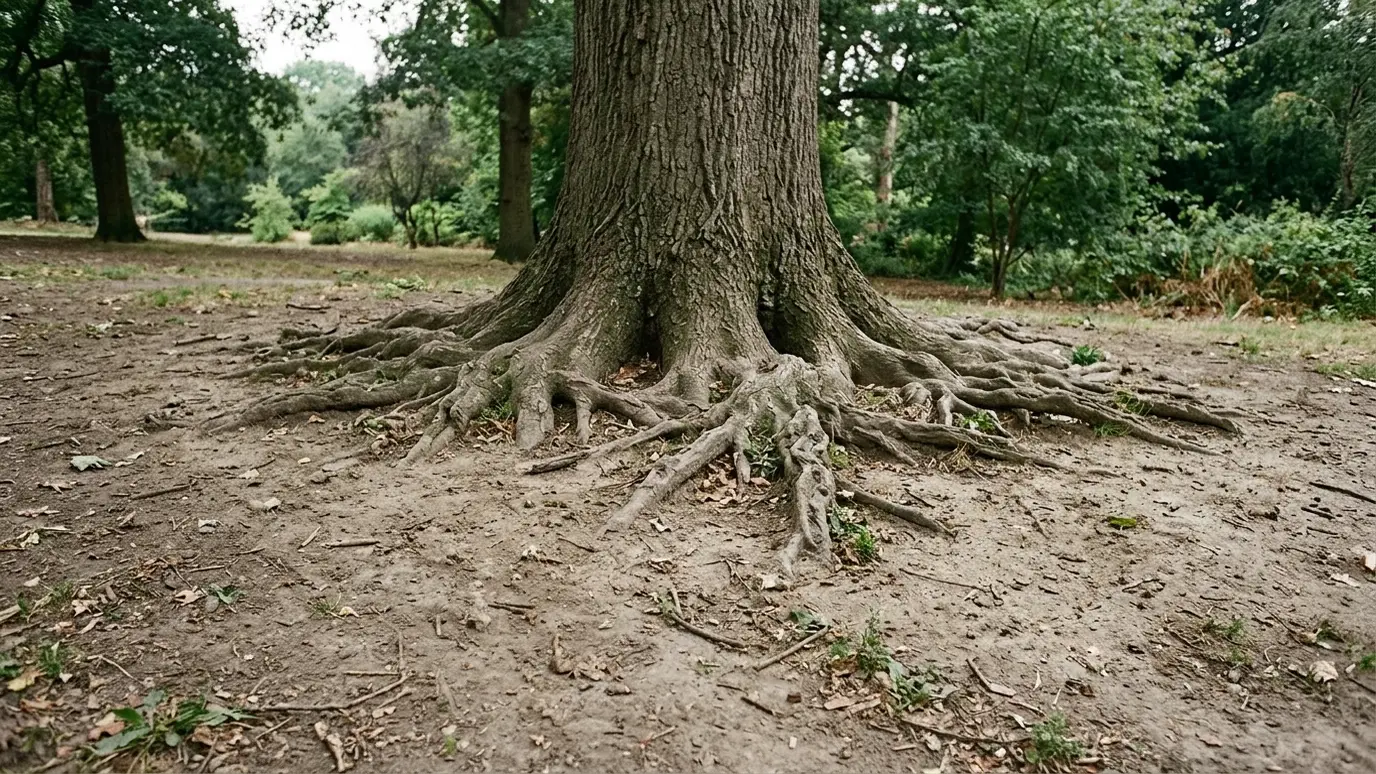 BeforeAfter
Air tools that loosen soil without cutting roots.
Area, method and depth planned by an arborist.
Depth and spread done right.
Roots can breathe and drink.
We tell you what the soil needs.
Often within days.
Every topic has its own page with what to expect and how an arborist helps.
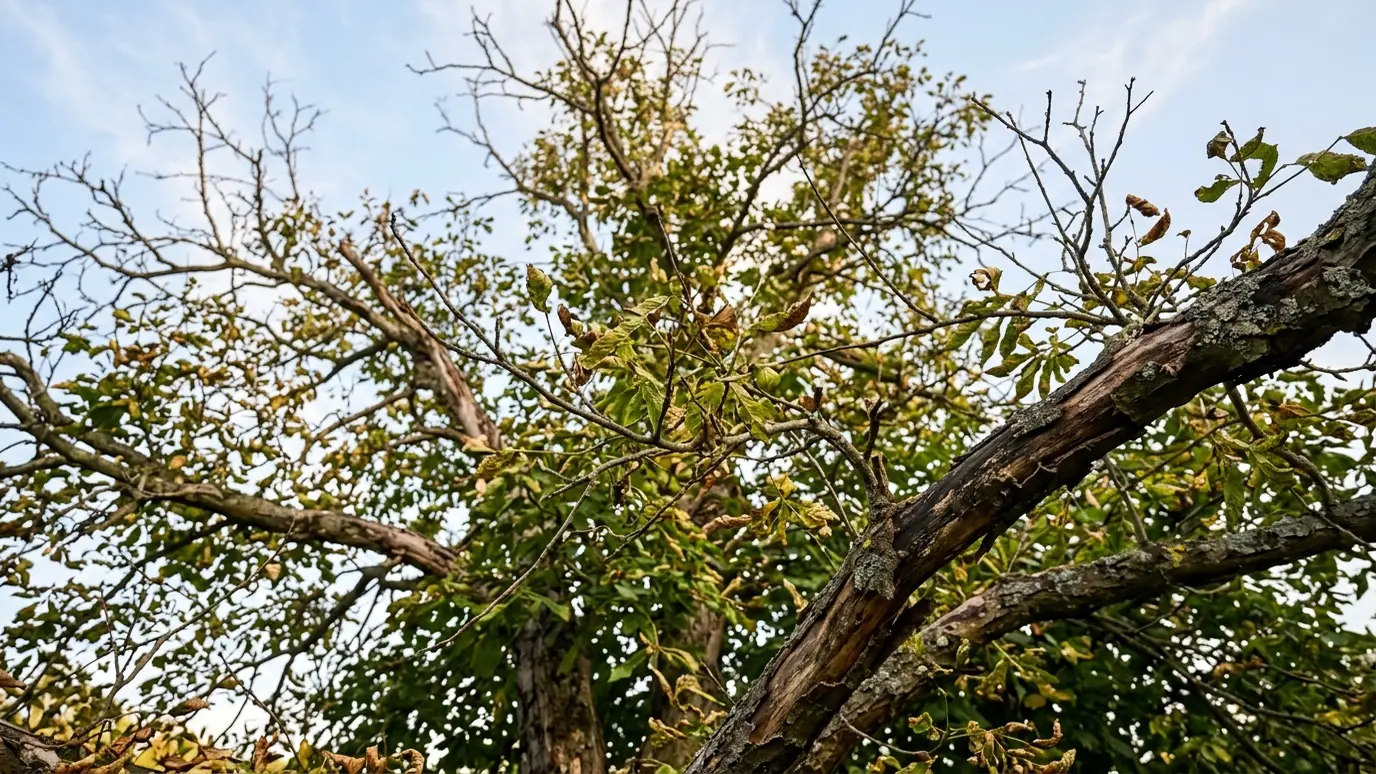 Common situationDeclining TreesThinning leaves, dying branches and odd growth are signals. Catch them early and many trees can recover.Learn more
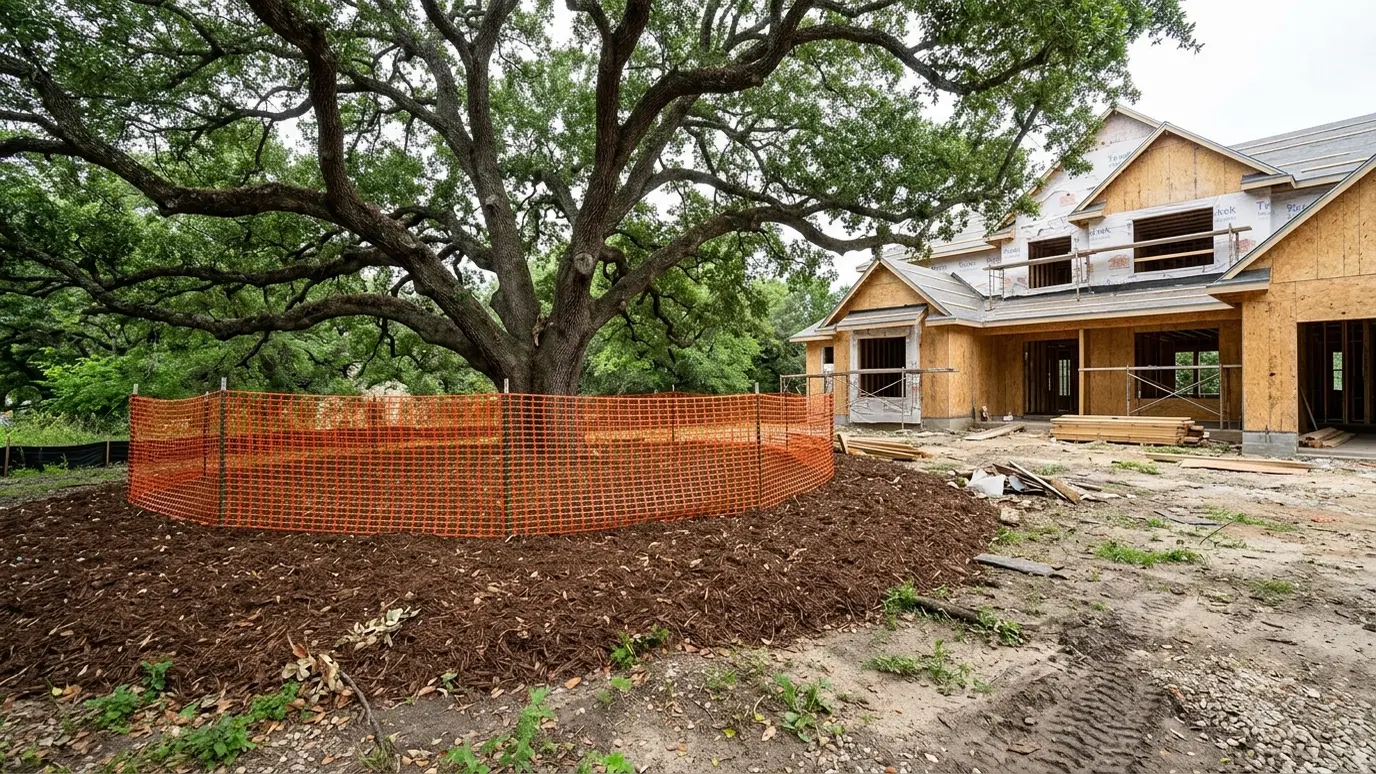 Common situationTrees and ConstructionNew homes, additions, driveways and pools are hard on trees. A plan before the equipment arrives is the…Learn more
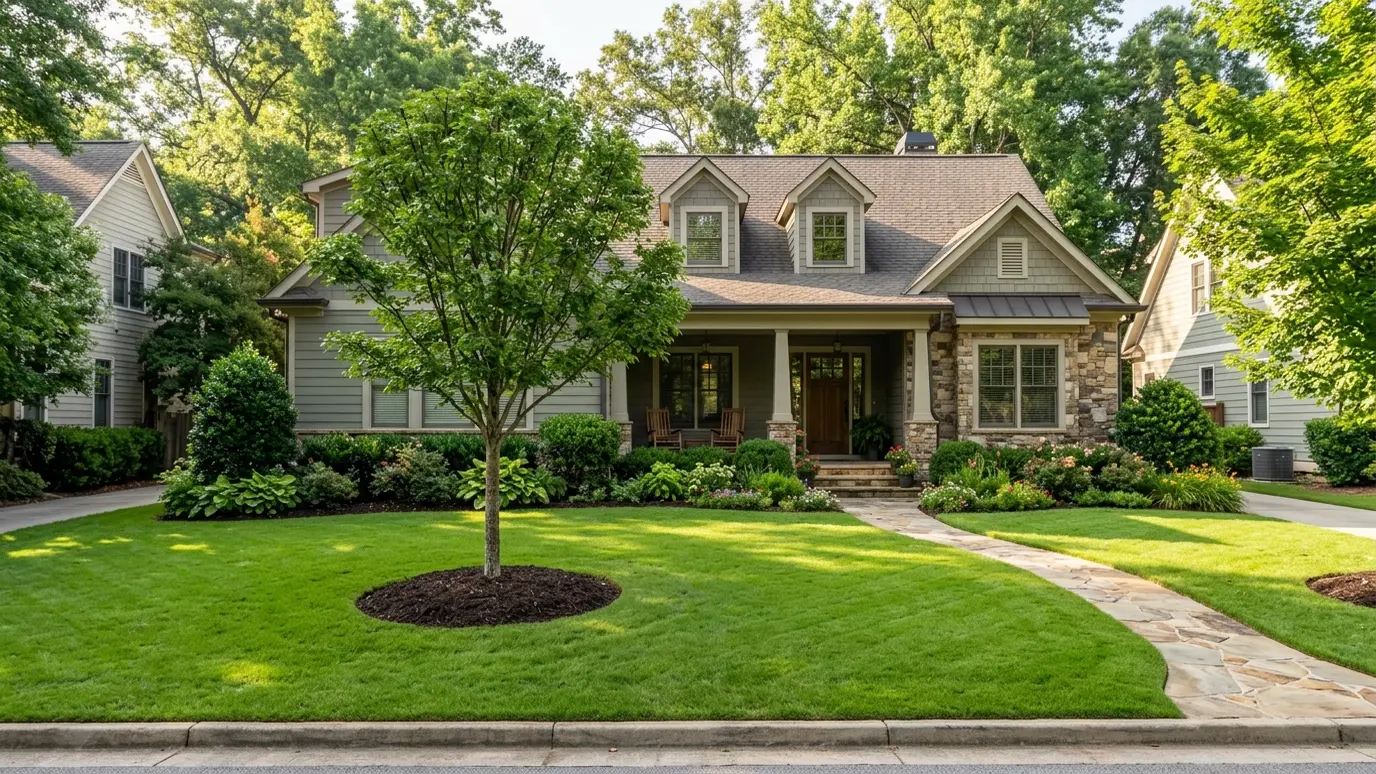 Common situationSelling Your HomeHealthy, tidy trees help a home sell. Hazards and overgrowth can derail a deal. Get ahead of both…Learn more
Answer seven questions about a tree and get a health score with a simple care plan.
Tell us what you see and what worries you. We give you safety tips right away.
A Certified Arborist looks at the tree, the site and the best method.
You get a written scope and price before any work begins.
Our crew rigs, cuts and lowers with your property protected.
We chip, haul, rake and walk the site with you.
We explain what the tree or property needs next and when to call us.
Water pools or runs off, a screwdriver is hard to push in and grass or beds struggle. Trees may look thin.
Air tools are designed not to. We avoid cutting roots.
A few inches, kept several inches away from the trunk.
Often a season or two. Soil recovery takes time.
It can help both, but tree roots need deeper, wider treatment than turf.
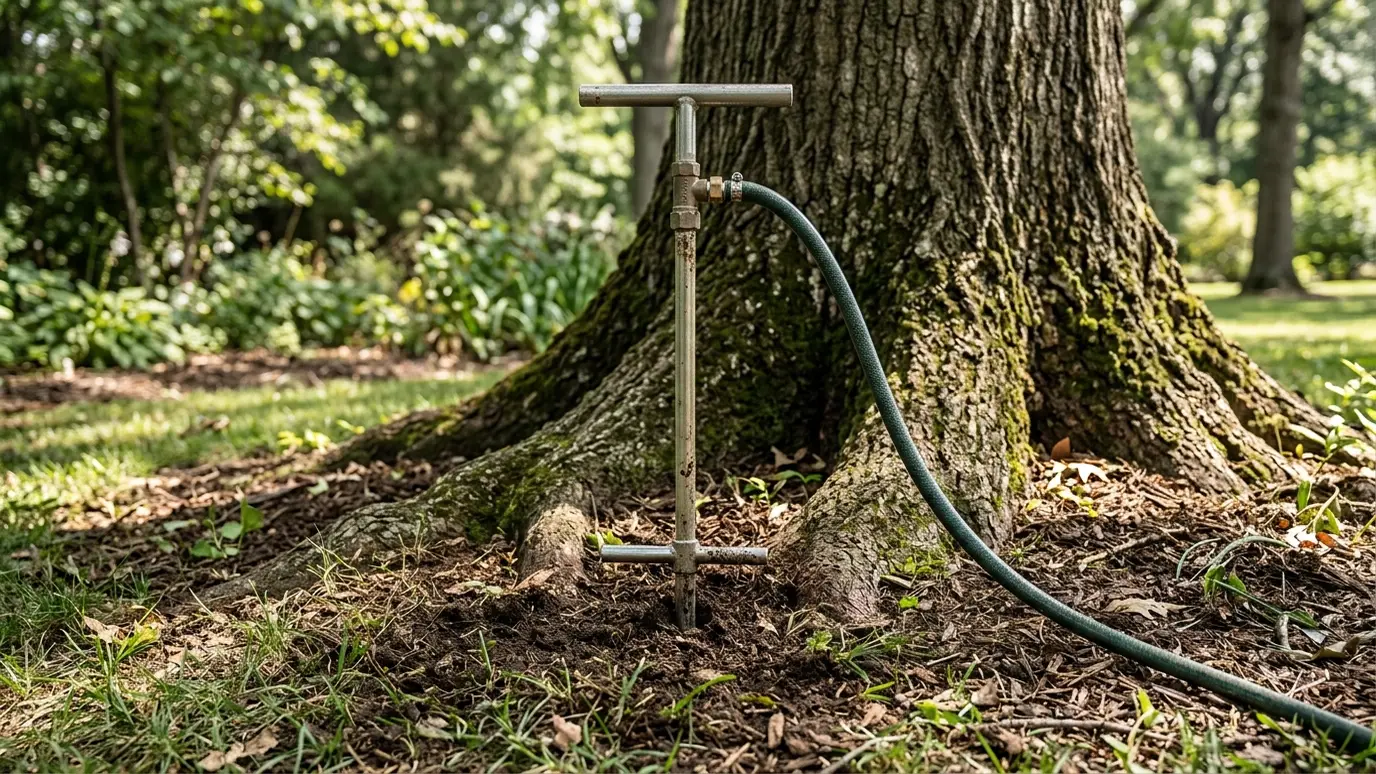 Deep Root FertilizationNutrients and organic matter placed where tree roots actually feed, so trees in compacted, nutrient-poor urban soil can…Explore
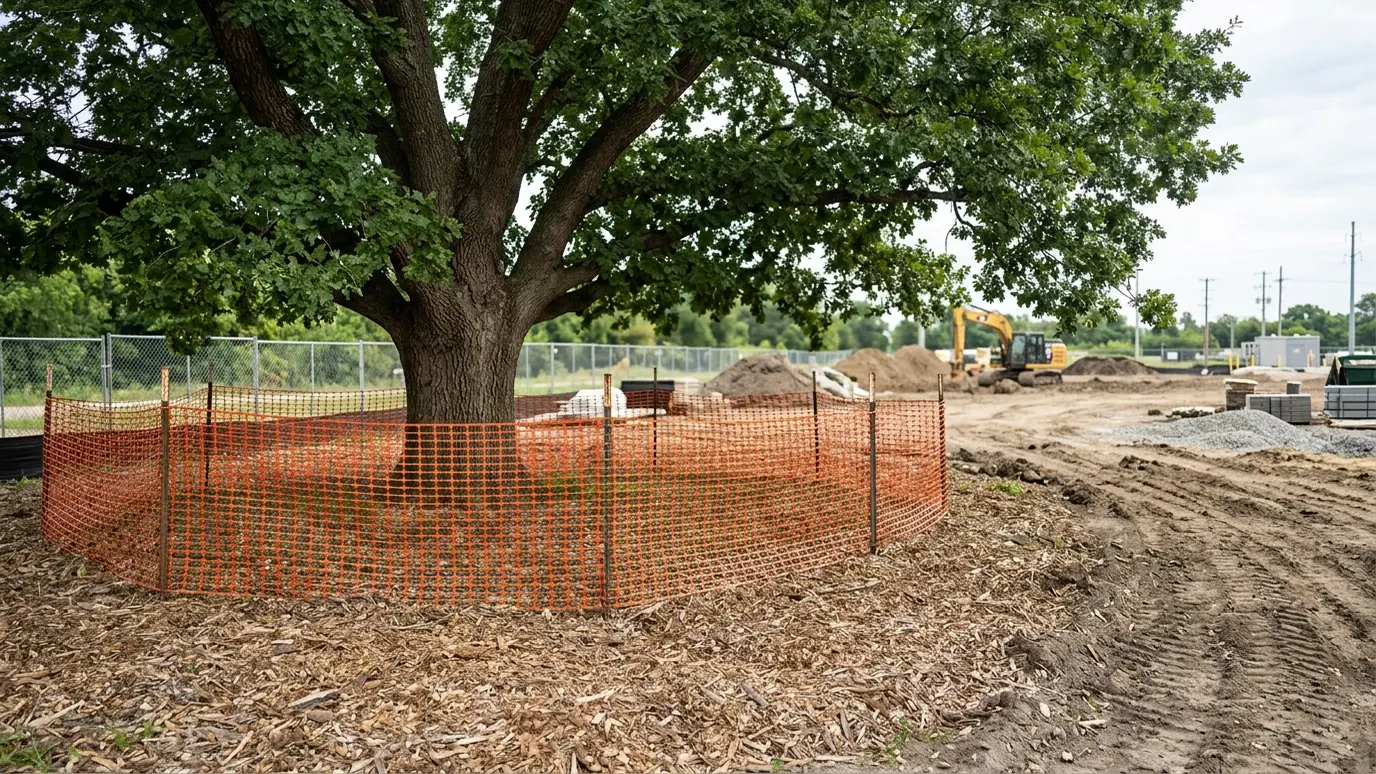 Tree PreservationValuable trees kept alive through a build, a remodel or a driveway, with a plan that protects roots…Explore
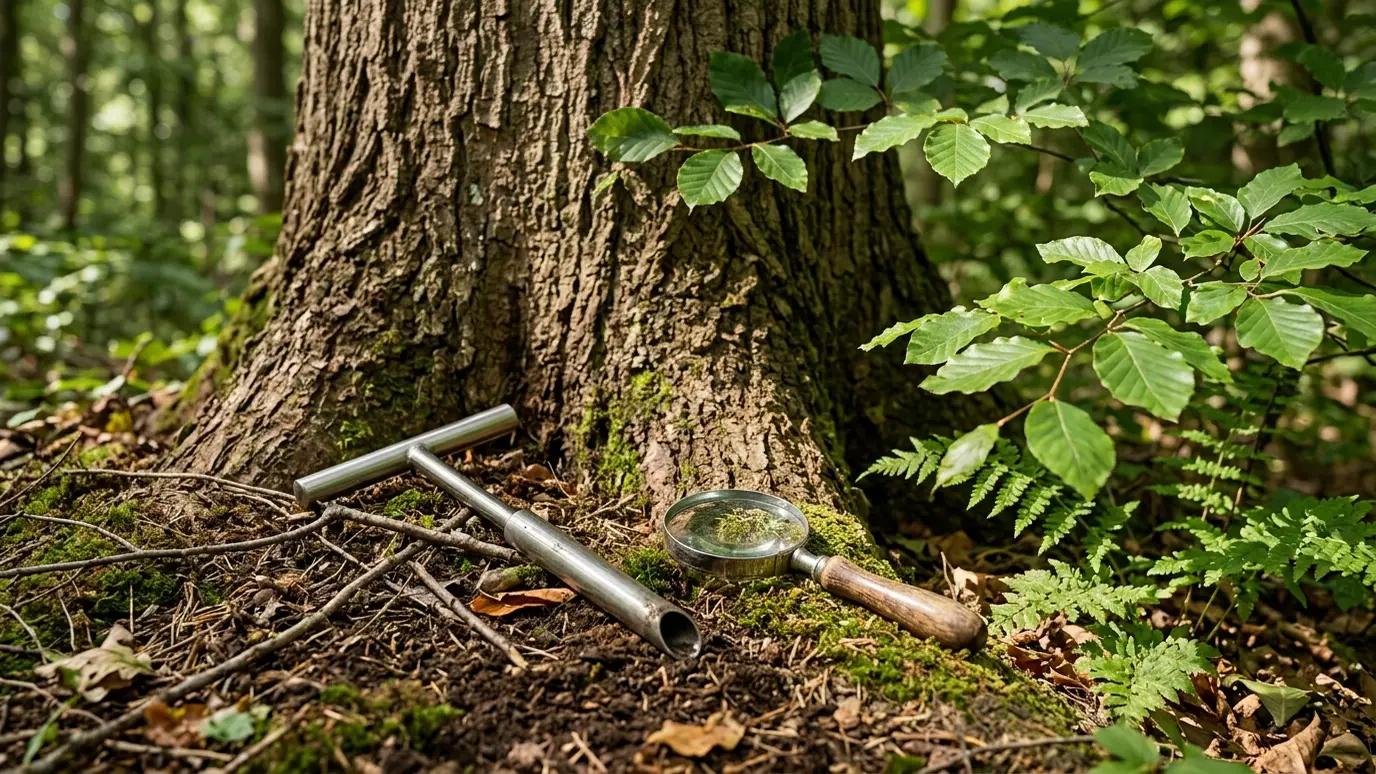 Tree Health AssessmentThin crown, odd leaf color, dying branches or mushrooms on the trunk: an arborist figures out what is…Explore
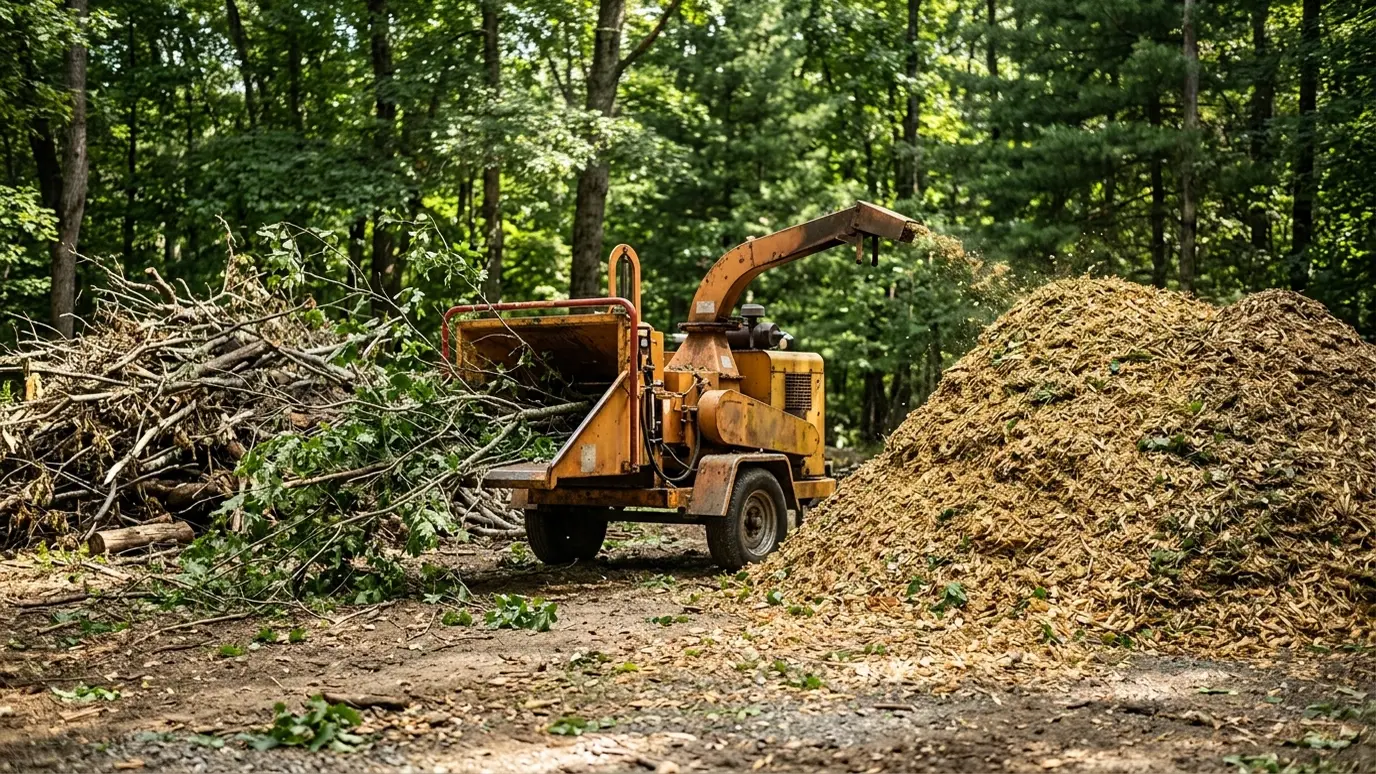 Wood Chipping and MulchBrush turned into mulch on site, spread in your beds or taken away, so tree work leaves something…Explore
Tell us about your tree and we will call you back quickly.
Or call (615) 357-7797 to talk now.