Apples, pears, peaches, plums and figs pruned for strong structure, good light and a better harvest.
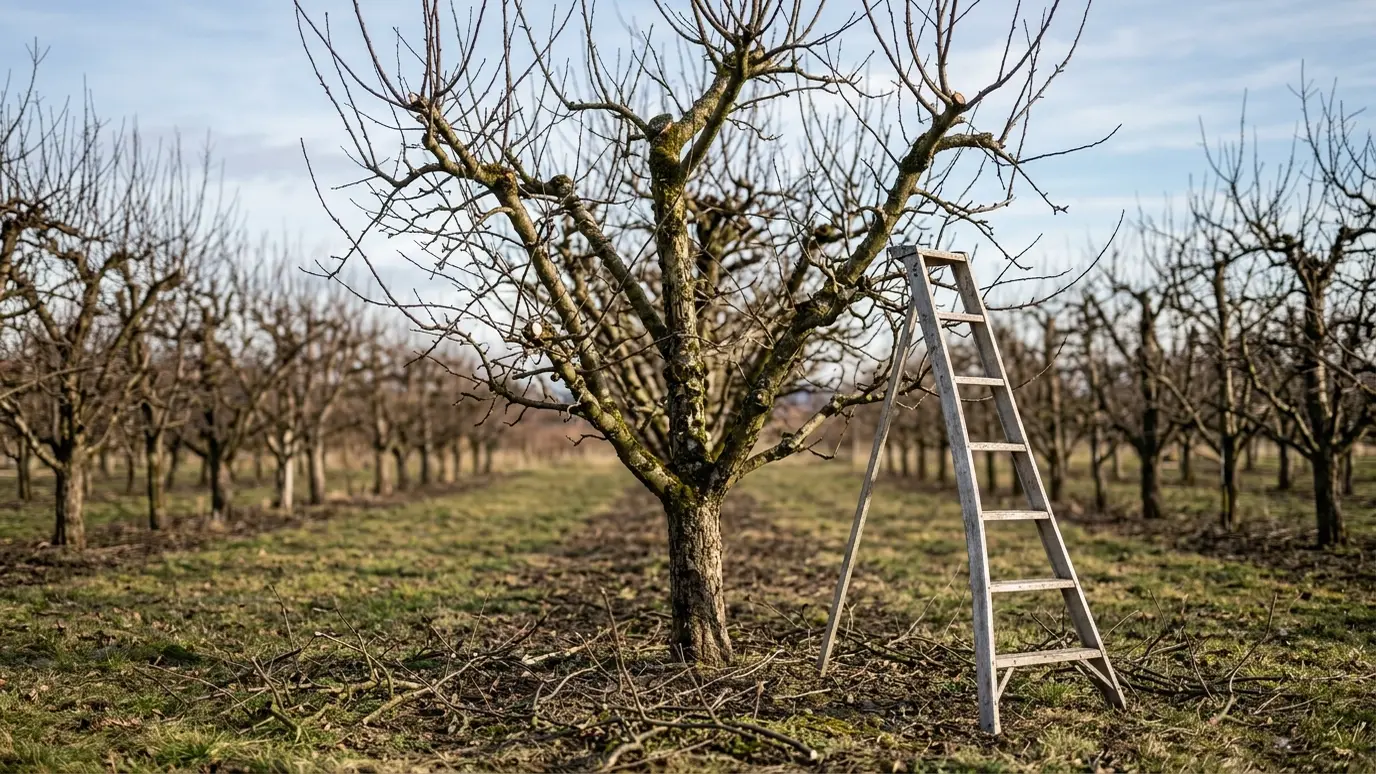
A well-pruned fruit tree gives more fruit, bigger fruit and easier picking. An unpruned one tends toward tall shoots, shaded interiors and a heavy crop one year followed by little the next. Pruning controls all of that and keeps branches strong enough to hold the harvest.
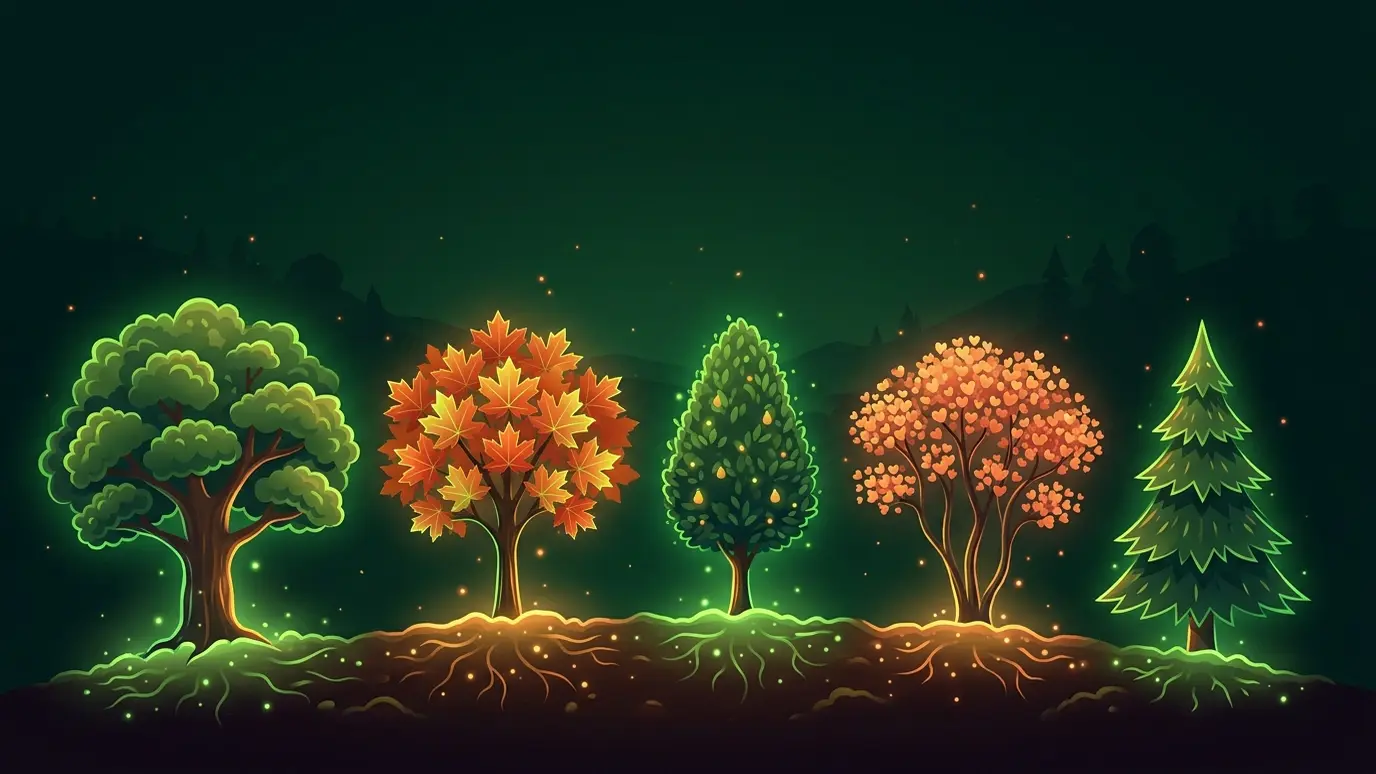
Each fruit species has its own preferred shape: open-center for peaches, central leader for apples, modified leader for pears. We prune to the shape that suits the tree, remove water sprouts and crossing wood, and thin enough to let light reach the fruiting spurs. A Certified Arborist plans the cuts around the tree's age and condition.
Most fruit trees are pruned in late winter, just before growth starts, when structure is easy to see and wounds heal quickly. Stone fruits can be pruned slightly later to reduce disease risk. We avoid pruning when wood is wet to limit the spread of fungal problems.
Light is what turns blossoms into fruit. An open crown allows sun to reach the interior and air to dry leaves and fruit. We take out vigorous vertical shoots, cross-over branches and any growth that shades fruiting wood.
Neglected trees can often be brought back over two or three seasons. We remove dead wood, reduce height gradually and rebuild fruiting zones. Heavy single-visit cuts shock old fruit trees and often lead to a flush of useless shoots.
Pruning is a good time to find cankers, borers and mummified fruit. We remove diseased wood and tell you what to look for, so problems do not spread. Clean tools between trees reduce the spread of disease.
Light and structure for more, larger fruit.
Open-center, leader or modified leader.
Limbs that hold a full crop.
Airflow that reduces disease.
Neglected trees brought back in stages.
Booked for the right dormant window.
Every topic has its own page with what to expect and how an arborist helps.
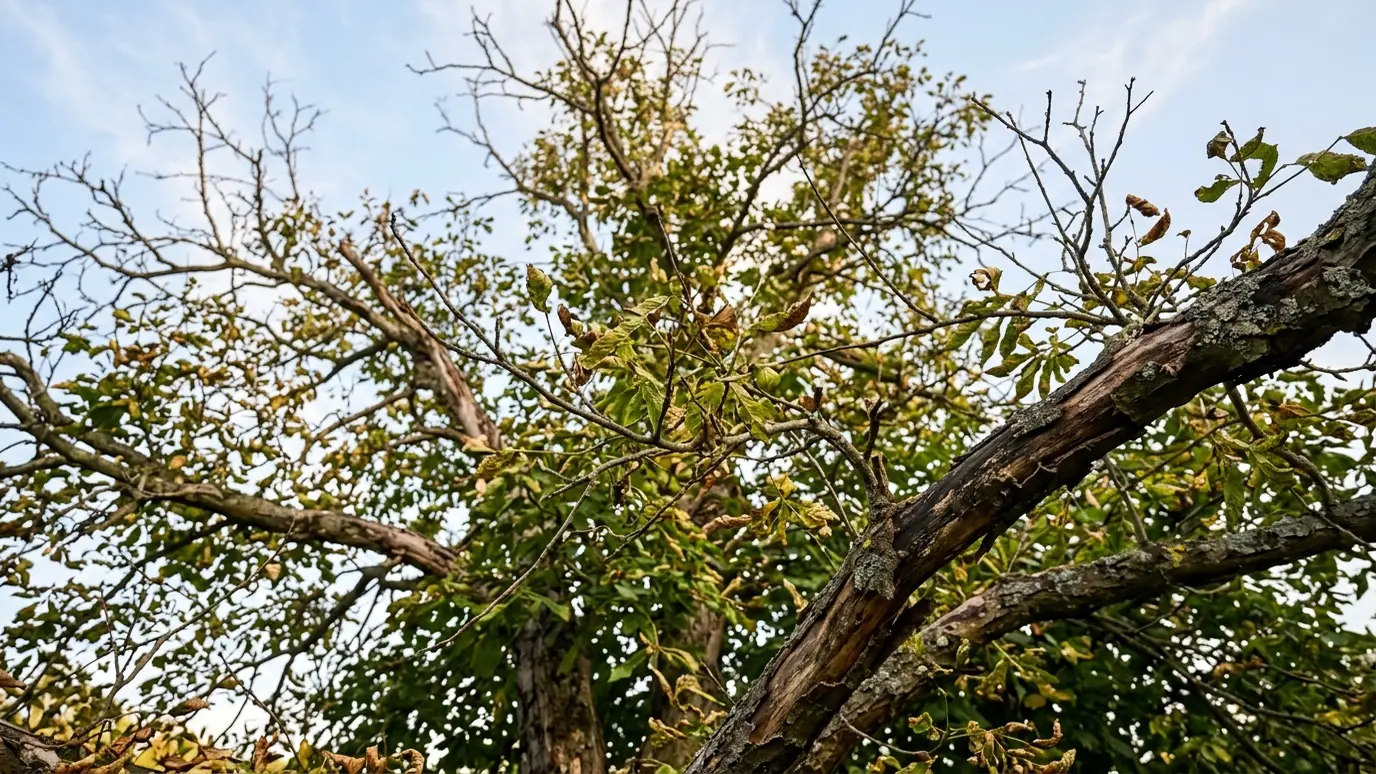 Common situationDeclining TreesThinning leaves, dying branches and odd growth are signals. Catch them early and many trees can recover.Learn more
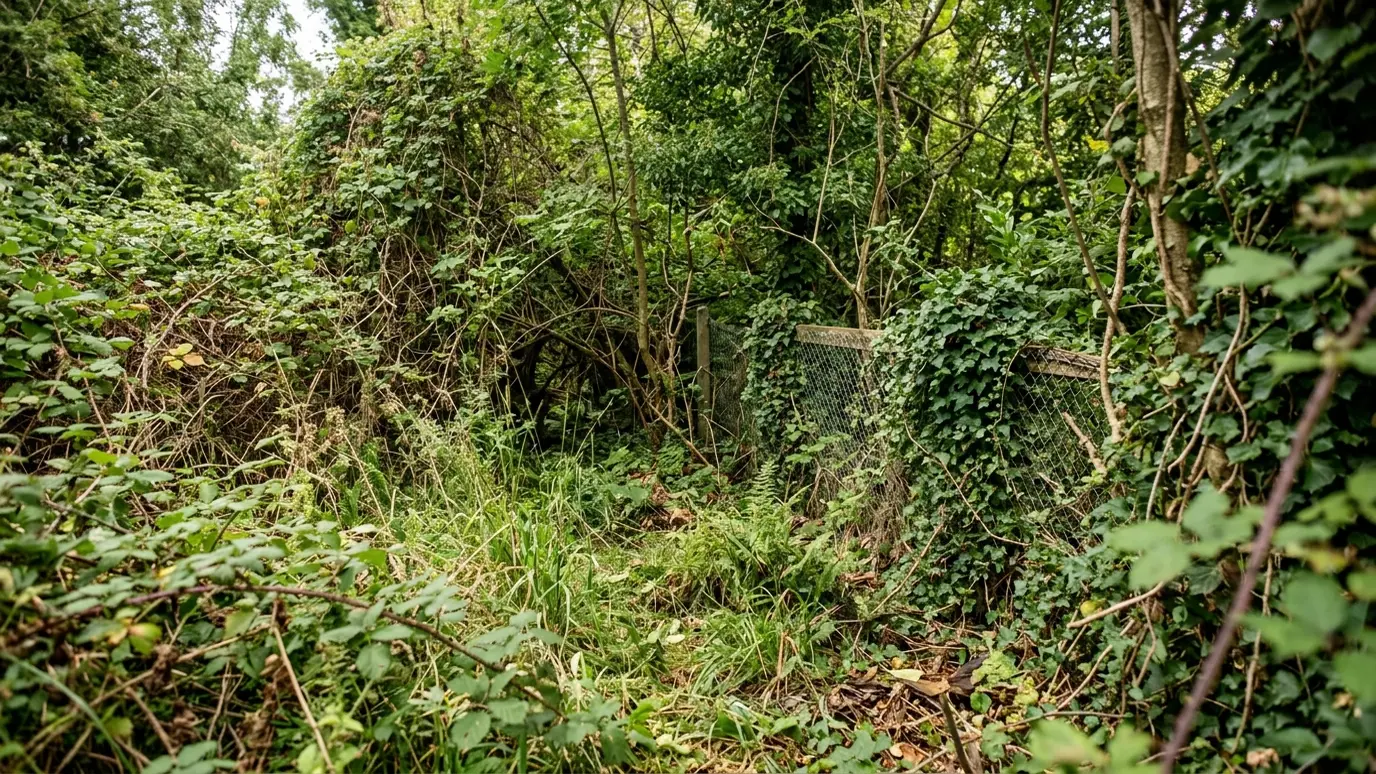 Common situationOvergrown PropertiesWhen trees, shrubs and vines take over, a plan beats a panic: what to cut, what to keep…Learn more
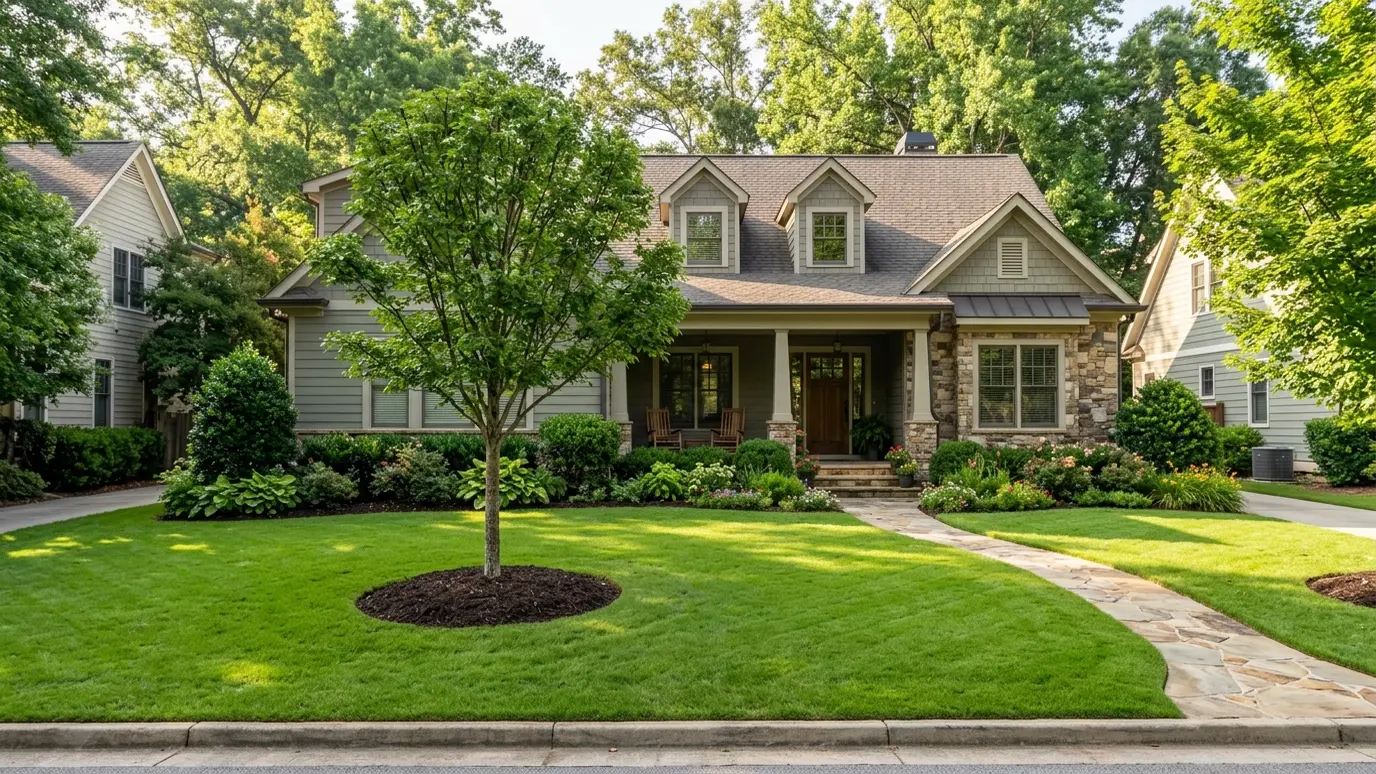 Common situationSelling Your HomeHealthy, tidy trees help a home sell. Hazards and overgrowth can derail a deal. Get ahead of both…Learn more
Pick a tree and see the best months to prune it, the months to avoid and why.
Tell us what you see and what worries you. We give you safety tips right away.
A Certified Arborist looks at the tree, the site and the best method.
You get a written scope and price before any work begins.
Our crew rigs, cuts and lowers with your property protected.
We chip, haul, rake and walk the site with you.
We explain what the tree or property needs next and when to call us.
Most in late winter, before growth starts. We schedule by species.
Often. We plan renewal over a few seasons.
Light pruning improves crops over time. Heavy cuts can reduce a season.
We advise on care and can recommend treatments. See our plant health care services.
It is a serious bacterial disease of pears and apples. We prune out infected wood and advise on follow-up.
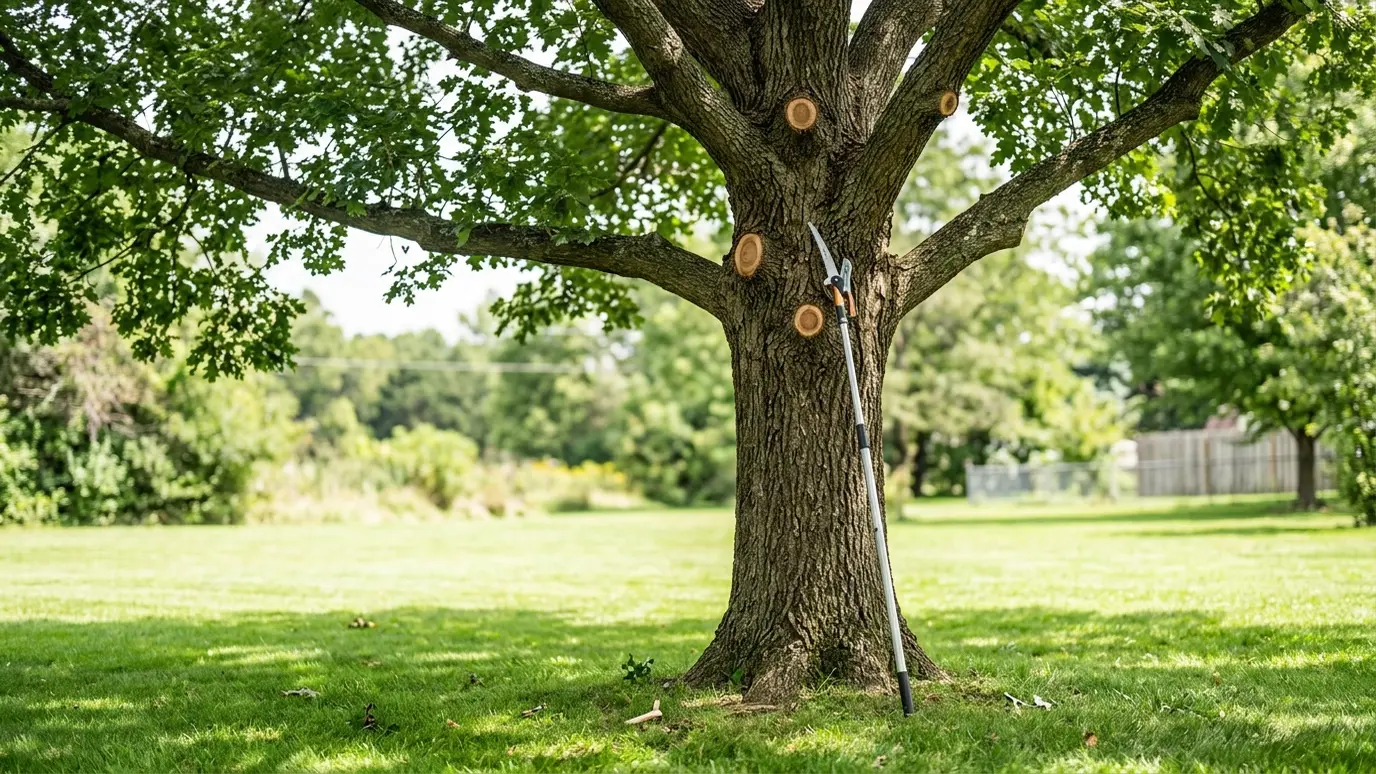 Tree PruningPrecision pruning for the long run: structure, health and form, with each cut made for a reason by…Explore
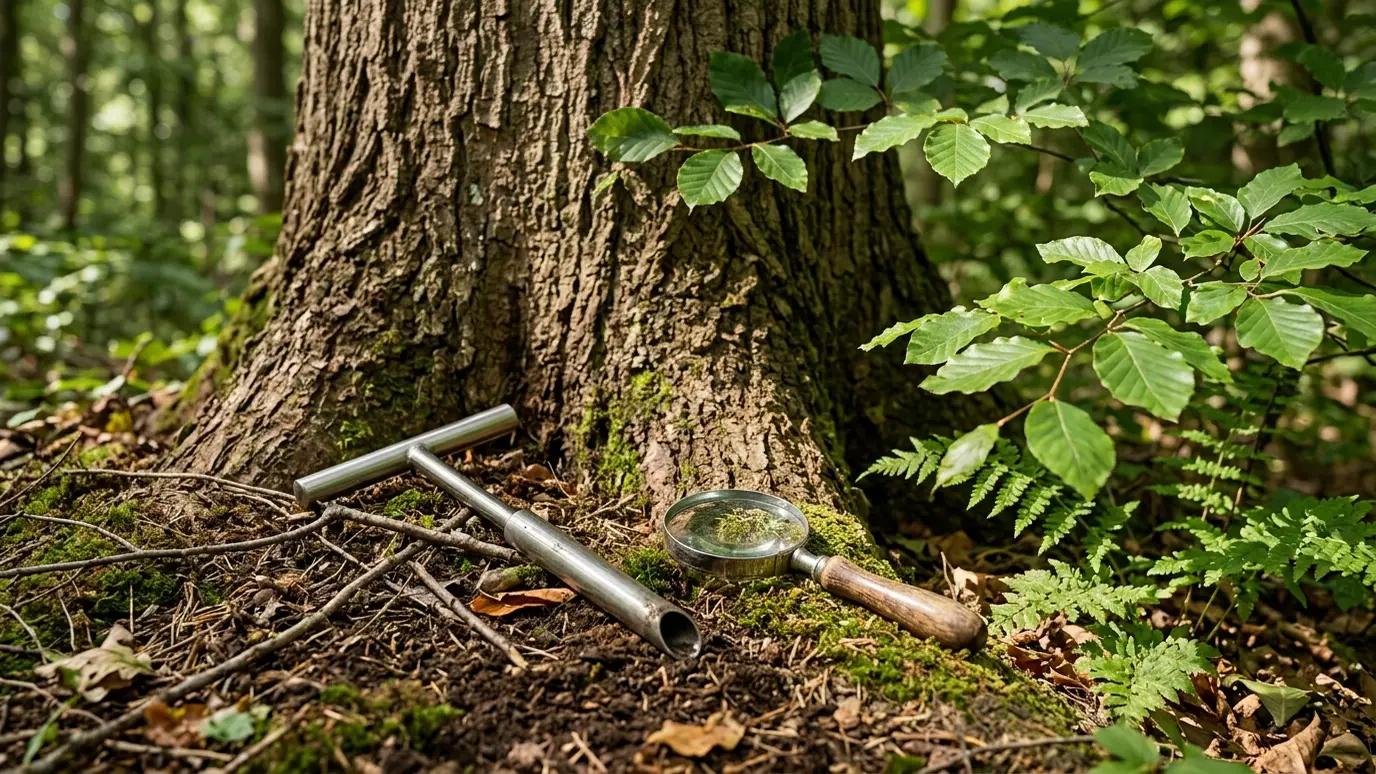 Tree Health AssessmentThin crown, odd leaf color, dying branches or mushrooms on the trunk: an arborist figures out what is…Explore
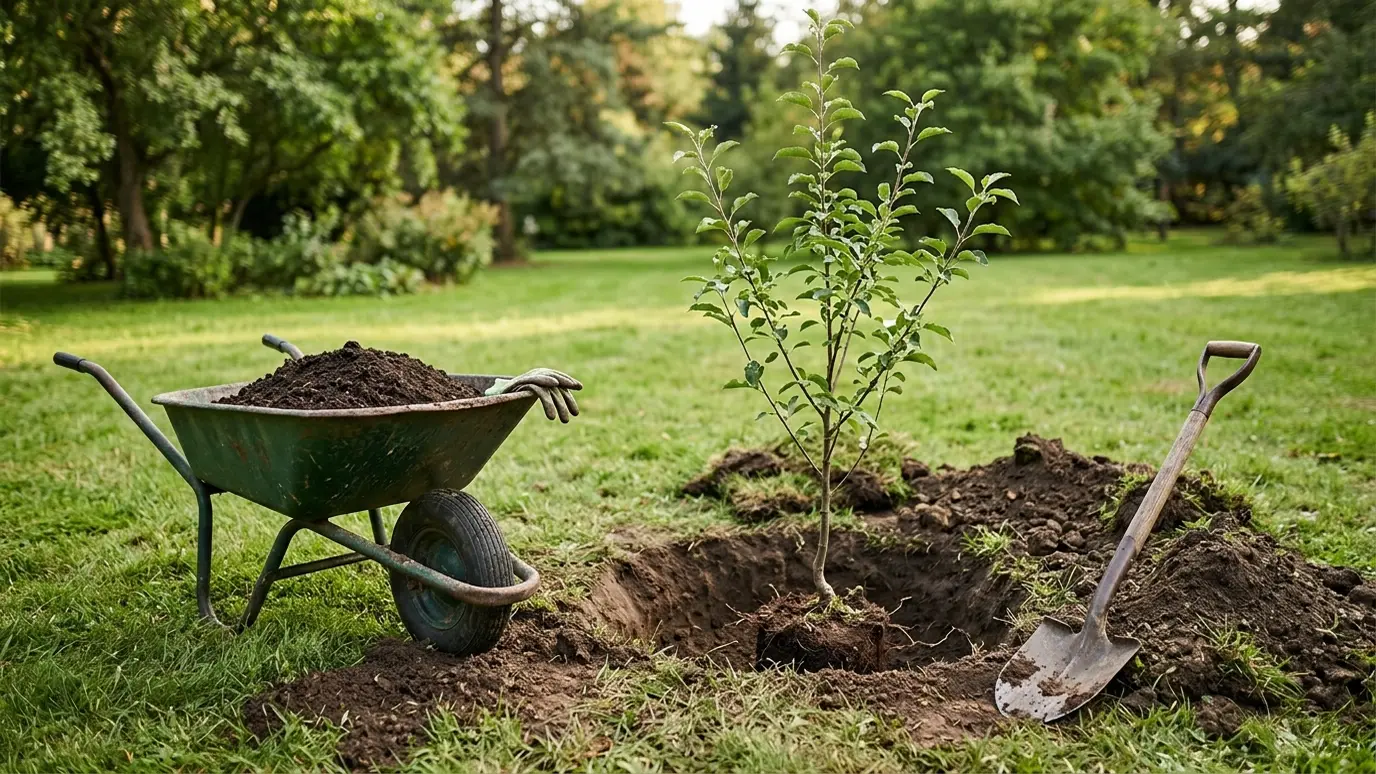 Tree PlantingThe right tree in the right place, planted correctly, so it thrives for generations instead of struggling for…Explore
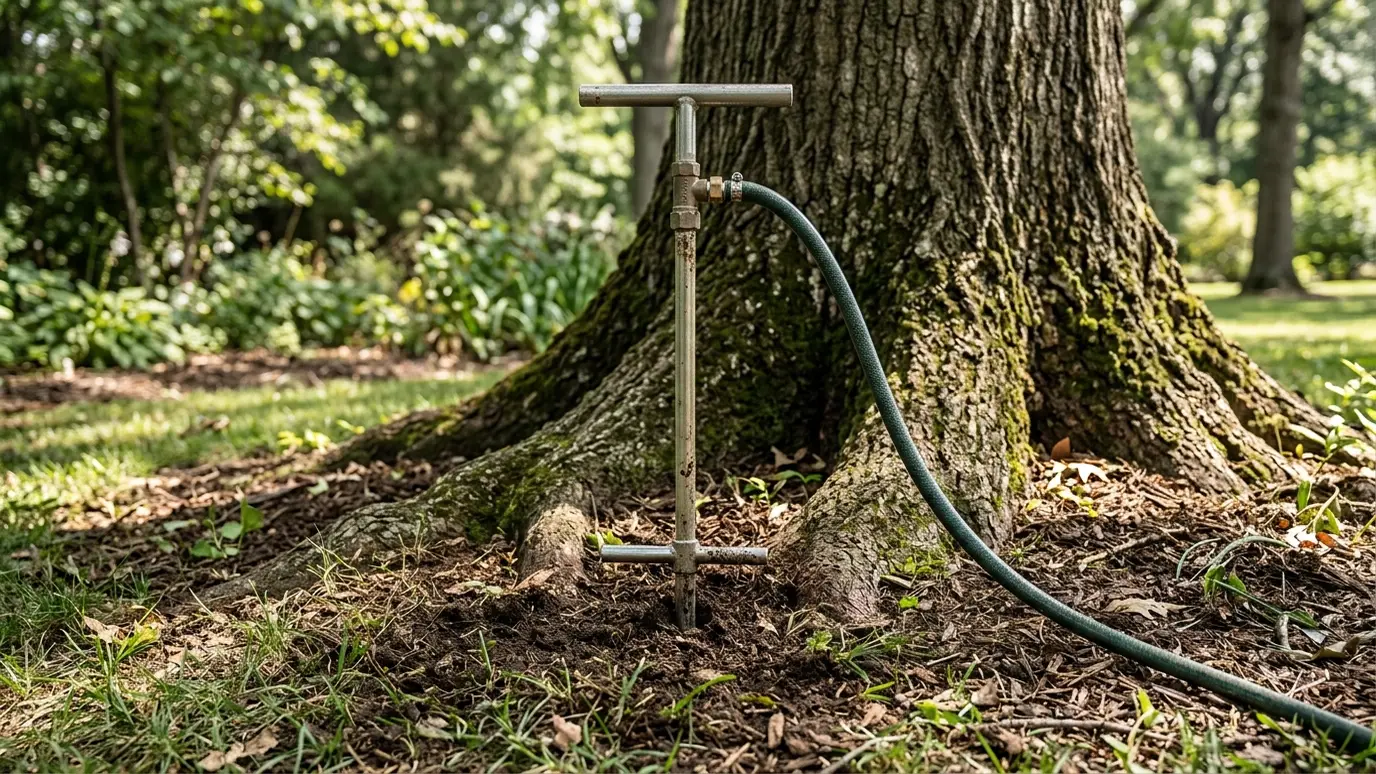 Deep Root FertilizationNutrients and organic matter placed where tree roots actually feed, so trees in compacted, nutrient-poor urban soil can…Explore
Tell us about your tree and we will call you back quickly.
Or call (615) 357-7797 to talk now.