Weak unions and heavy limbs supported with cables and braces, so valuable trees can stay safely.
Some trees are worth keeping even though they have a flaw. A mature oak with a V-shaped union, a big maple with a split trunk or a heritage tree with a heavy, spreading limb can often be supported. Cables and braces share the load so the tree can stay safe, if the work is done properly.
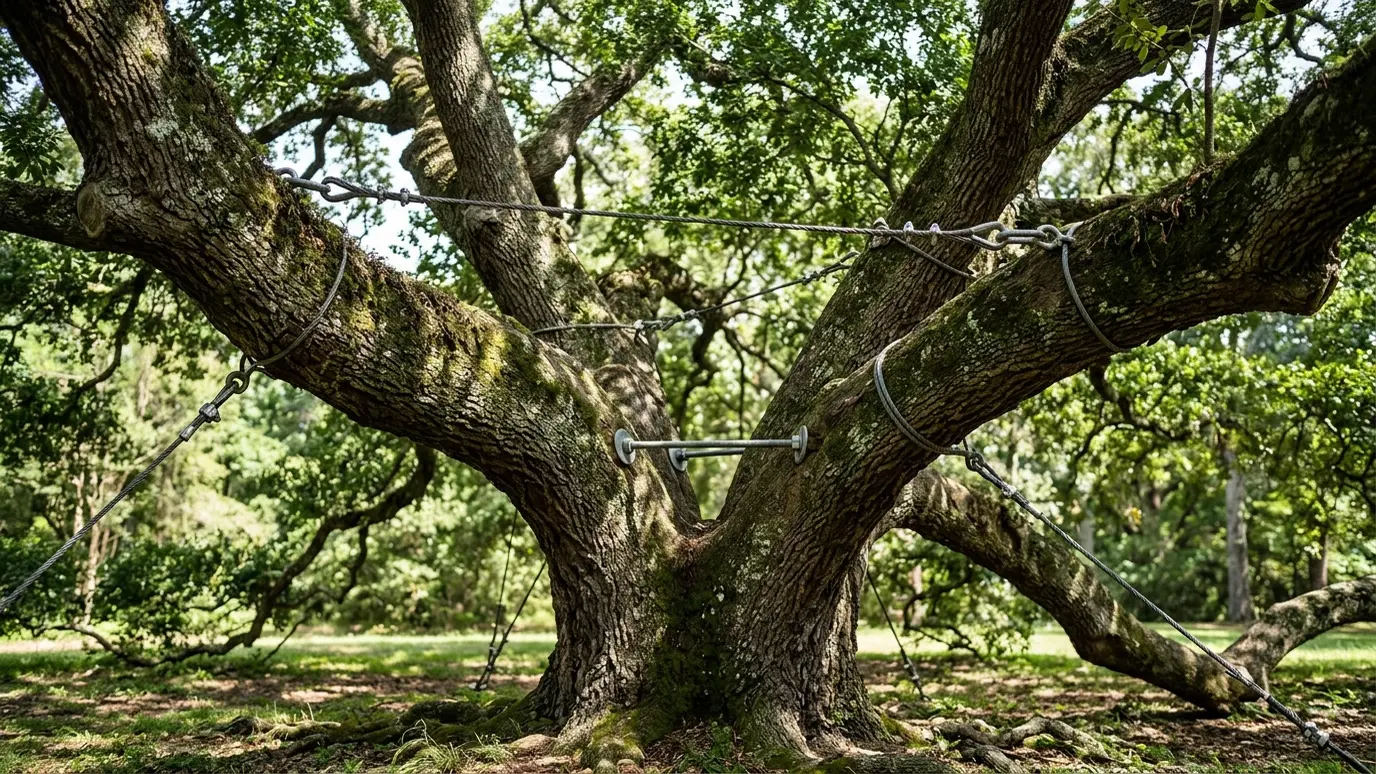
A Certified Arborist assesses the tree and the defect, and designs a system that fits. Dynamic cables allow some movement and are used above weak unions. Rods and bolts, called bracing, hold split trunks together. We install hardware to recognized standards and check it on a regular schedule, because hardware can wear and trees keep growing.
Cabling suits trees with codominant stems or long heavy limbs that would fail in a storm. It does not fix a rotten trunk or a failing root system. We tell you honestly whether the tree is a good candidate or whether removal is wiser.
Cables are installed high in the crown across a weak union, typically about two thirds of the way up the limbs. They limit movement and share load. Bracing rods go through the wood to hold a split together. Both must be placed correctly and inspected.
Hardware needs a check every year or two. Growth can embed fittings, and cables can wear. We offer follow-up inspections and adjustments. Cabling is part of a plan that includes pruning and monitoring, not a one-time fix.
When cabling is not appropriate, options include reducing the weight of long limbs, removing a weak stem or moving what is beneath the tree. We discuss all the options with you.
Cables and braces installed to standard.
Right system for the defect.
Reduces risk without removal.
We tell you when it will not help.
Hardware checked as trees grow.
Often within days.
Every topic has its own page with what to expect and how an arborist helps.
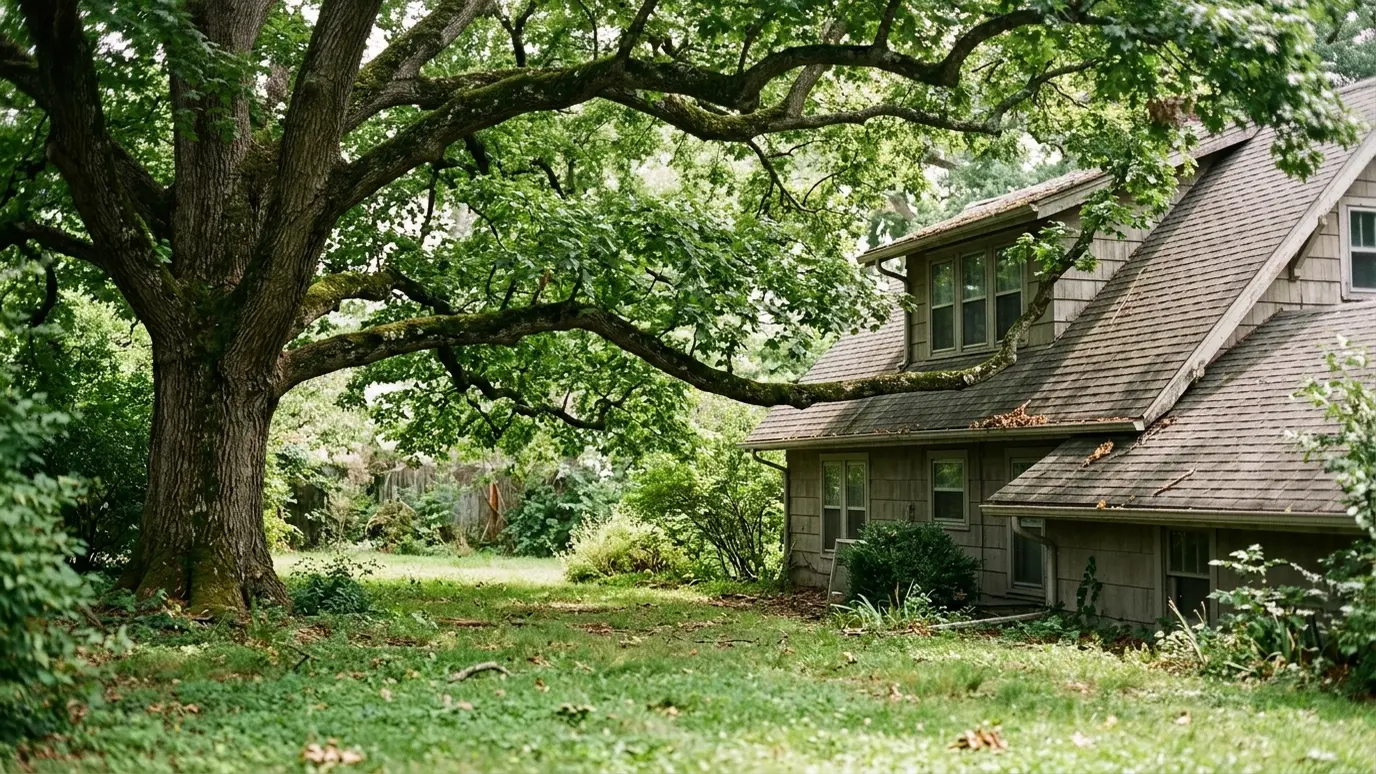 Common situationTrees Near the HouseBig trees beside a home bring shade and value, and risk. Here is how to tell whether yours…Learn more
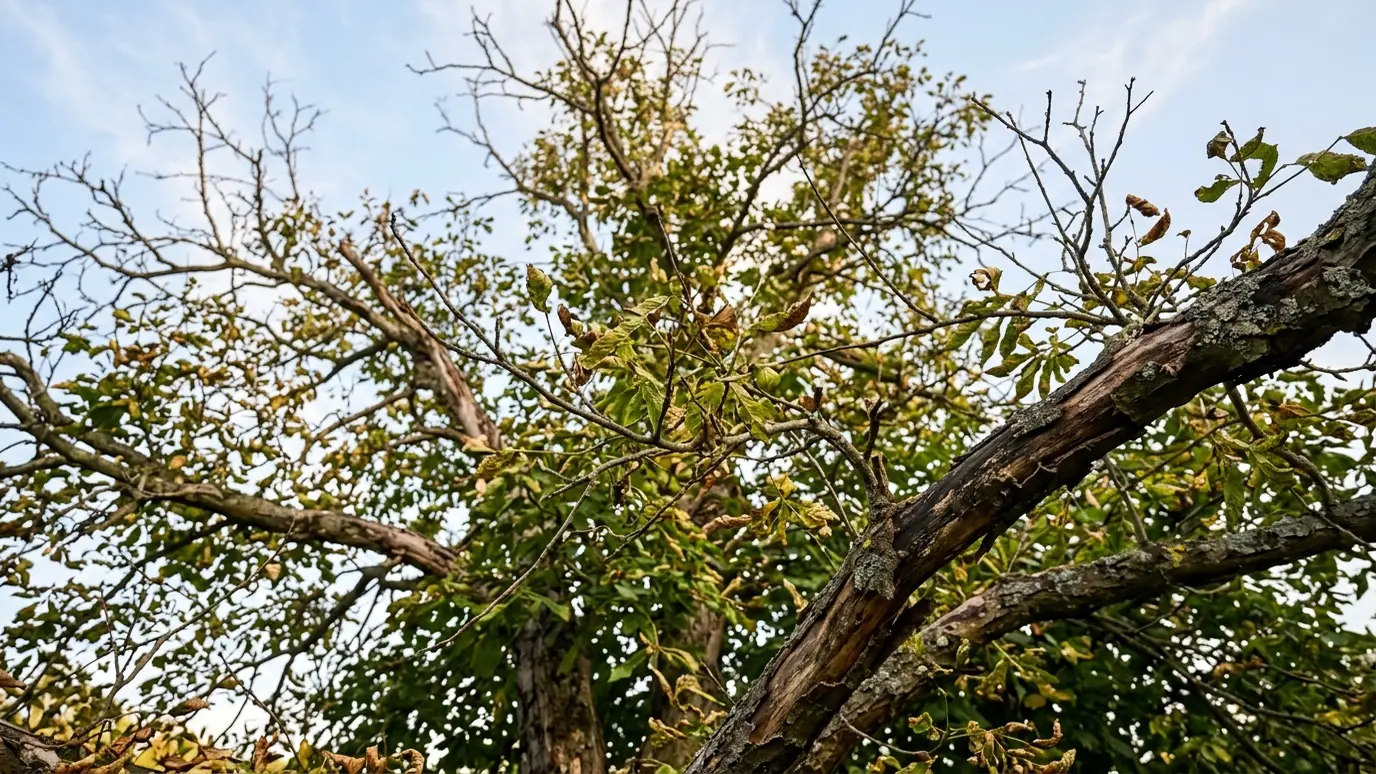 Common situationDeclining TreesThinning leaves, dying branches and odd growth are signals. Catch them early and many trees can recover.Learn more
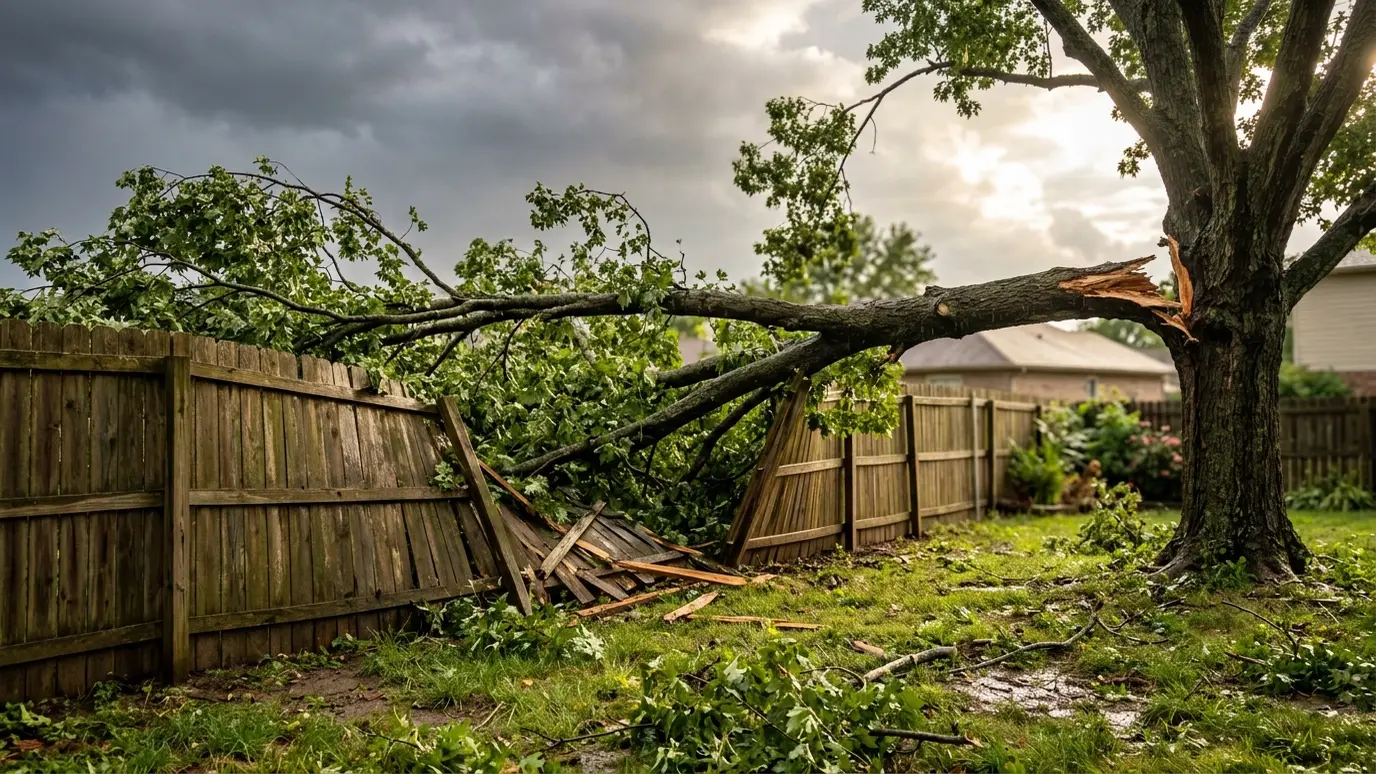 Common situationStorm DamageWind, ice and tornadoes leave trees broken, split and leaning. Knowing what to save and what to remove…Learn more
Check off what you see on the trunk, roots and crown and what is below the tree, and get a plain-language risk level.
Tell us what you see and what worries you. We give you safety tips right away.
A Certified Arborist looks at the tree, the site and the best method.
You get a written scope and price before any work begins.
Our crew rigs, cuts and lowers with your property protected.
We chip, haul, rake and walk the site with you.
We explain what the tree or property needs next and when to call us.
They reduce risk, not eliminate it. We tell you what to expect.
They need regular checks and may be replaced after several years.
Often, if the tree is otherwise healthy. We assess it.
It is usually far less than removal and replacement, and it keeps a mature tree.
Small holes for hardware are made carefully. The tree can compartmentalize the wounds.
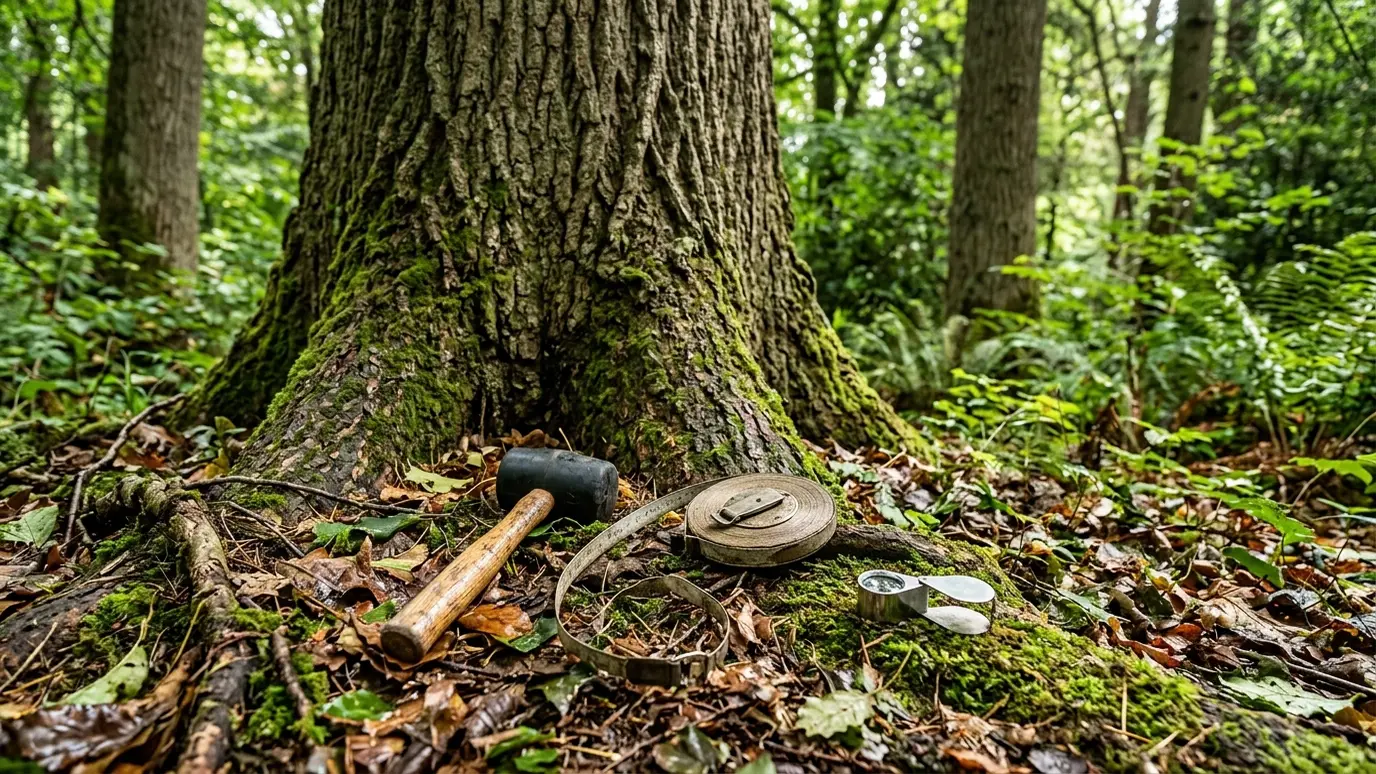 Tree Risk AssessmentA systematic look at whether a tree could fail, what it could hit and what to do about…Explore
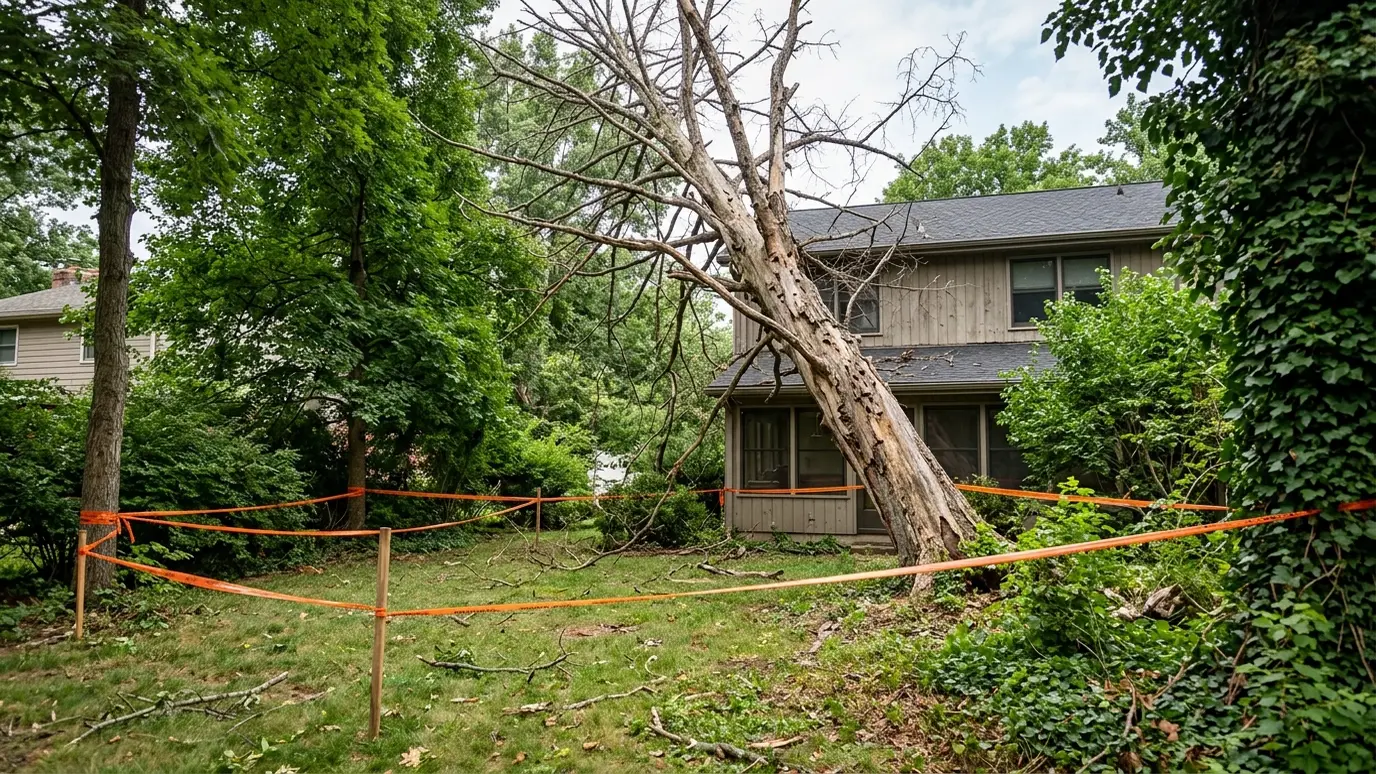 Hazardous Tree RemovalTrees that lean over homes, split at the trunk or hold dead wood overhead, assessed honestly and removed…Explore
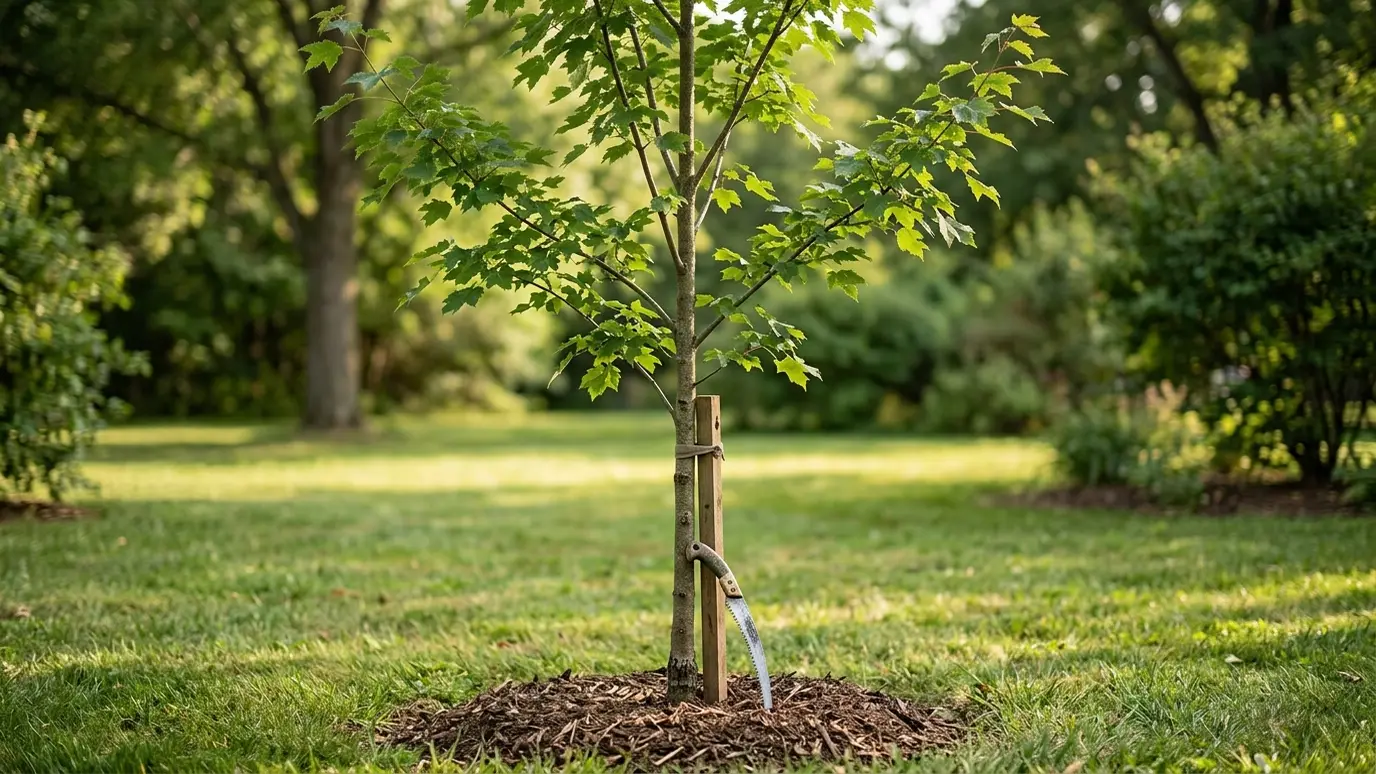 Structural PruningThe few cuts that make the biggest difference: training a young tree to grow strong, balanced and safe…Explore
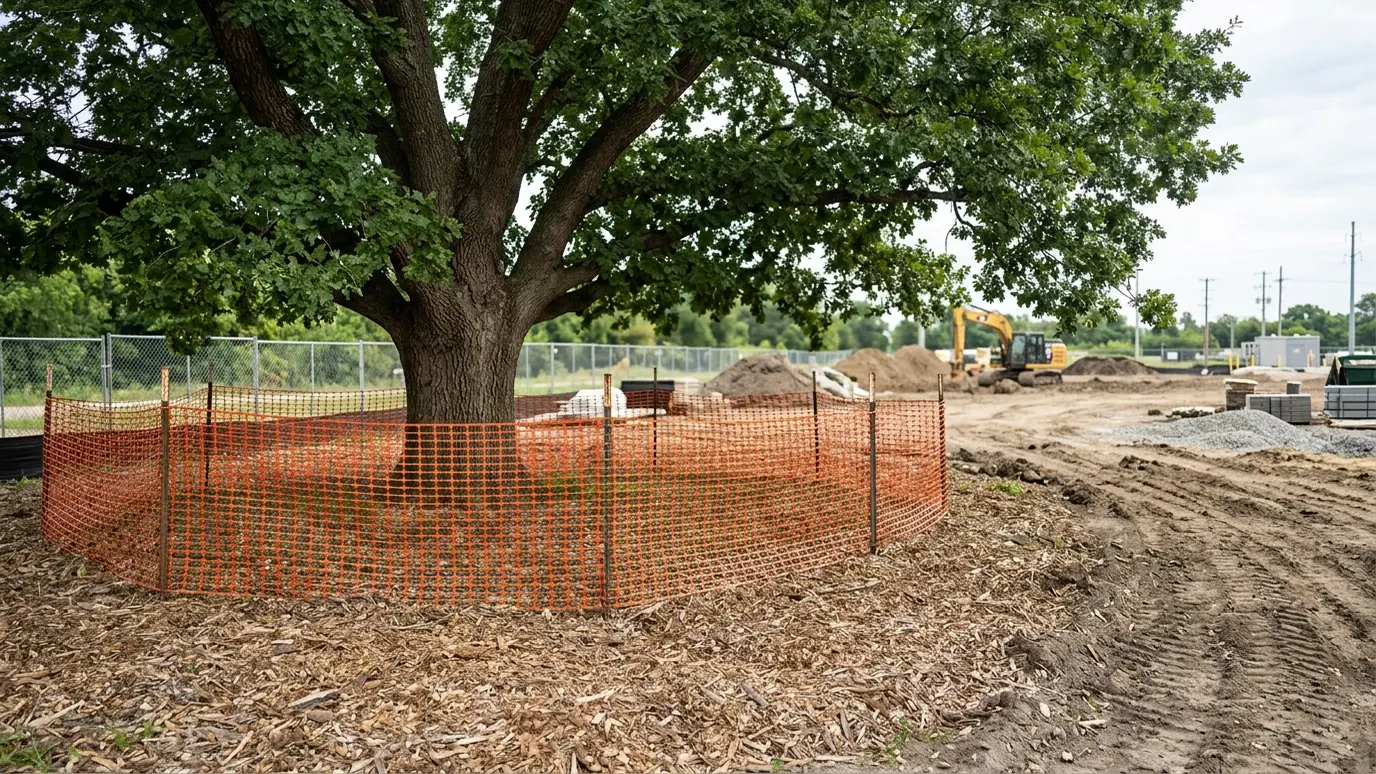 Tree PreservationValuable trees kept alive through a build, a remodel or a driveway, with a plan that protects roots…Explore
Tell us about your tree and we will call you back quickly.
Or call (615) 357-7797 to talk now.